



Popular
What are the main character's motivations for opening the barbershop?
How does Bread's relationship with his customers evolve throughout the series?
What challenges does Bread face in running his barbershop?
Who are the recurring characters that support Bread in his journey?
What specific events lead to character development for Bread throughout the series?
Should I watch it?
Ask Your Own Question

What is the plot?
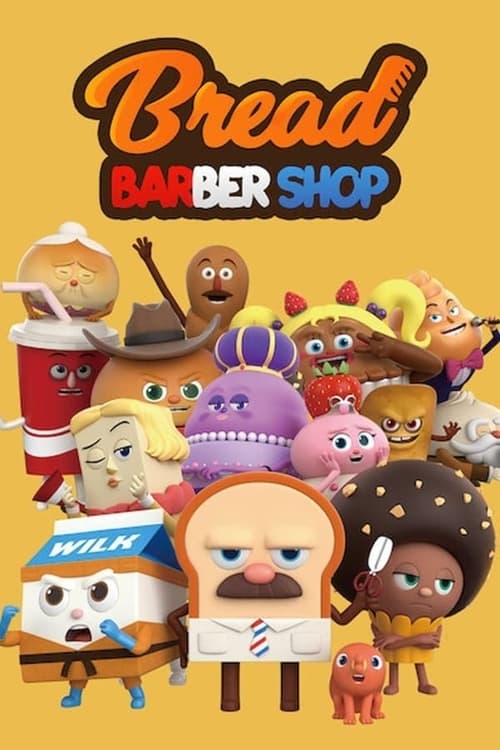
The story begins in a vibrant, bustling town where the main character, a talented barber named Bread, runs his own barbershop. Bread is known for his exceptional skills and unique approach to hairstyling, which often involves creative and whimsical designs. He is passionate about his work and takes pride in making his customers happy. The barbershop is not just a place for haircuts; it serves as a community hub where various characters come to share their stories and experiences.
One day, a new character, a rival barber named Scissors, arrives in town. Scissors is confident and has a flashy style that immediately draws attention. He challenges Bread's reputation, claiming that he can provide better haircuts and service. This rivalry sets the stage for a series of competitive encounters between the two barbers. Bread feels threatened but is determined to prove his worth and maintain his loyal customer base.
As the competition heats up, Bread's barbershop faces a series of challenges. Scissors begins to lure away some of Bread's customers with his aggressive marketing tactics and flashy haircuts. Bread's emotional state fluctuates between determination and frustration as he tries to come up with new ideas to attract customers back to his shop. He brainstorms with his close friends and loyal customers, who encourage him to stay true to his unique style rather than imitate Scissors.
In a pivotal moment, Bread decides to host a community event at his barbershop, inviting everyone to come in for free haircuts and fun activities. He hopes this will rekindle the community's love for his barbershop and showcase his skills. The event is colorful and lively, filled with laughter and joy. Bread's creativity shines as he crafts imaginative hairstyles that reflect the personalities of his customers. The event is a success, and many people leave with smiles on their faces, rekindling their loyalty to Bread.
However, Scissors is not one to back down easily. He retaliates by organizing his own event, promising extravagant prizes and discounts. This escalates the rivalry further, leading to a showdown between the two barbers. Bread feels the pressure mounting as he realizes that he must not only defend his reputation but also the heart of his barbershop, which represents community and creativity.
In the climax of the story, Bread and Scissors face off in a hair-cutting competition that draws a large crowd. The atmosphere is tense as both barbers showcase their skills. Bread focuses on his unique techniques and the emotional connections he has with his customers, while Scissors relies on flashy styles and quick cuts. As the competition progresses, Bread begins to doubt himself, feeling overshadowed by Scissors' confidence.
In a moment of self-reflection, Bread remembers why he became a barber in the first place: to bring joy and creativity to people's lives. This realization reignites his passion, and he begins to incorporate his signature style into his work, impressing the audience with his creativity and personal touch. The crowd responds positively, cheering for Bread as he finishes his final haircut with flair.
The competition concludes with both barbers presenting their final styles. The judges deliberate, and in a surprising twist, they declare the competition a tie. This outcome symbolizes the importance of both styles and the value of community over rivalry. Bread and Scissors, despite their differences, come to a mutual respect for each other's talents.
In the aftermath, Bread's barbershop flourishes as the community rallies around him, celebrating the spirit of creativity and collaboration. Scissors, having gained respect for Bread, decides to stay in town and even collaborates with him on future projects. The story ends on a hopeful note, with Bread continuing to innovate and inspire, solidifying his place as a beloved figure in the community.






What is the ending?
In the ending of "Bread Barbershop," the main character, a barber named Kwon, faces a series of challenges that test his skills and resolve. Ultimately, he overcomes these obstacles, solidifying his relationships with his friends and customers. The story concludes with Kwon finding a balance between his passion for barbering and the importance of community, leaving viewers with a sense of hope and camaraderie.
As the final episodes unfold, we find Kwon in his beloved barbershop, which has become a hub of activity and friendship. The atmosphere is lively, filled with the sounds of laughter and the hum of clippers. Kwon is busy attending to his customers, showcasing his unique barbering techniques that blend creativity with care. His passion for his craft is evident as he engages with each client, listening to their stories and providing not just haircuts but also emotional support.
Scene by scene, the narrative builds tension as Kwon faces a rival barber who threatens to take away his customers. This rival, with flashy marketing and aggressive tactics, represents a challenge not just to Kwon's business but to his identity as a barber. Kwon's internal struggle is palpable; he feels the weight of his community's expectations and the fear of losing what he has built.
In a pivotal moment, Kwon gathers his friends and loyal customers for a community event at the barbershop. This gathering serves as a celebration of their bond and a testament to the importance of supporting one another. The scene is filled with warmth, laughter, and heartfelt speeches, showcasing the deep connections Kwon has fostered over time. It becomes clear that Kwon's true strength lies not just in his barbering skills but in his ability to bring people together.
As the rivalry escalates, Kwon decides to confront the rival barber directly. In a dramatic showdown, Kwon demonstrates his superior skills in a friendly competition, showcasing his creativity and the personal touch he brings to his work. The scene is charged with emotion as Kwon pours his heart into every cut, reminding everyone of the artistry involved in barbering.
In the climax, Kwon's determination pays off. The community rallies behind him, and the rival barber's tactics begin to falter. Kwon's barbershop becomes a symbol of resilience and unity, illustrating the power of community support. The rival, realizing the strength of Kwon's connections, ultimately concedes defeat, leading to a moment of mutual respect between the two barbers.
As the series concludes, Kwon stands in his barbershop, surrounded by friends and customers who have become like family. The final scene captures the essence of his journey: a blend of hard work, creativity, and the importance of community. Kwon smiles, knowing he has not only preserved his business but has also strengthened the bonds that make his barbershop a special place.
The fate of each main character is intertwined with Kwon's journey. His friends, who supported him throughout the challenges, find their own paths enriched by their experiences at the barbershop. The rival barber, having learned a valuable lesson about community and respect, leaves with a newfound perspective. The series ends on a hopeful note, emphasizing the themes of friendship, resilience, and the significance of staying true to oneself in the face of adversity.
Is there a post-credit scene?
In the animated series "Bread Barbershop," there is indeed a post-credit scene that adds a humorous twist to the episode's events. After the main storyline concludes, the scene typically features the character of Bread, the barber, engaging in a light-hearted interaction that often involves a comedic mishap or a playful banter with his customers or friends.
For instance, in one episode, after a particularly chaotic day at the barbershop, Bread might be seen trying to clean up the mess left behind, only to accidentally trip over a pile of hair clippings. This moment is filled with exaggerated animation, showcasing Bread's clumsiness and the slapstick humor that permeates the series. The scene often ends with a punchline or a quirky remark from Bread, leaving viewers with a sense of joy and laughter as they wrap up the episode.
These post-credit scenes serve to reinforce the light-hearted and whimsical tone of the show, providing a delightful capstone to the adventures that unfold in the barbershop.
What are the main character's motivations for opening the barbershop?
The main character, a passionate and skilled barber named 'Bread', opens his barbershop to create a space where he can express his creativity and connect with the community. He is driven by a desire to provide not just haircuts, but also a sense of belonging and comfort to his customers, often going above and beyond to make their experience special.
How does Bread's relationship with his customers evolve throughout the series?
Throughout the series, Bread develops deep, personal relationships with his customers. Initially, they come in for haircuts, but as the episodes progress, Bread becomes a confidant and friend to many. He listens to their problems, offers advice, and helps them navigate their personal challenges, which strengthens their bond and makes the barbershop a hub of community support.
What challenges does Bread face in running his barbershop?
Bread faces numerous challenges, including financial difficulties, competition from other barbershops, and the pressure to keep his customers happy. He often has to think creatively to solve problems, such as coming up with unique promotions or special events to attract more clients, while also managing the day-to-day operations and maintaining a positive atmosphere.
Who are the recurring characters that support Bread in his journey?
Recurring characters include Bread's loyal assistant, who helps him manage the barbershop, and a quirky group of regular customers who each bring their own unique stories and personalities. These characters provide comic relief, emotional support, and sometimes even create conflict, enriching the narrative and showcasing the diverse community around the barbershop.
What specific events lead to character development for Bread throughout the series?
Key events that lead to Bread's character development include moments of personal crisis, such as when he faces a financial setback or a conflict with a rival barber. These challenges force him to reflect on his values, adapt his business strategies, and ultimately grow as both a barber and a person, learning the importance of resilience, friendship, and community.
Is this family friendly?
"Bread Barbershop," produced in 2019, is generally considered family-friendly, featuring a light-hearted and humorous approach to storytelling. However, there are a few aspects that might be considered objectionable or upsetting for children or sensitive viewers:
-
Mild Humor: The show includes some jokes that may involve puns or wordplay that could be confusing for younger children, though they are not offensive.
-
Slightly Intense Situations: Some scenes may depict characters in mildly stressful or competitive situations, such as barbershop challenges, which could be a bit intense for very young viewers.
-
Character Conflicts: There are moments of conflict between characters that may involve misunderstandings or rivalries, which could evoke feelings of tension or discomfort.
-
Visual Gags: Certain visual humor, such as exaggerated facial expressions or slapstick comedy, might be surprising or startling to sensitive viewers.
Overall, while there are minor elements that could be seen as objectionable, the show maintains a wholesome tone and is designed to entertain a family audience.









