

















































































Popular
What is the significance of Jason Voorhees' backstory in the series?
How does Pamela Voorhees' character influence the events of the first film?
What role does the setting of Camp Crystal Lake play in the story?
How does the character of Alice Hardy evolve throughout the first film?
What is the impact of Jason's iconic look on the franchise?
Should I watch it?
Ask Your Own Question

What is the plot?
Sorry, we aren't able to watch and write up a full detailed plot yet. Check back in a few days.
More Movies Like This
Browse All Movies →


What is the ending?
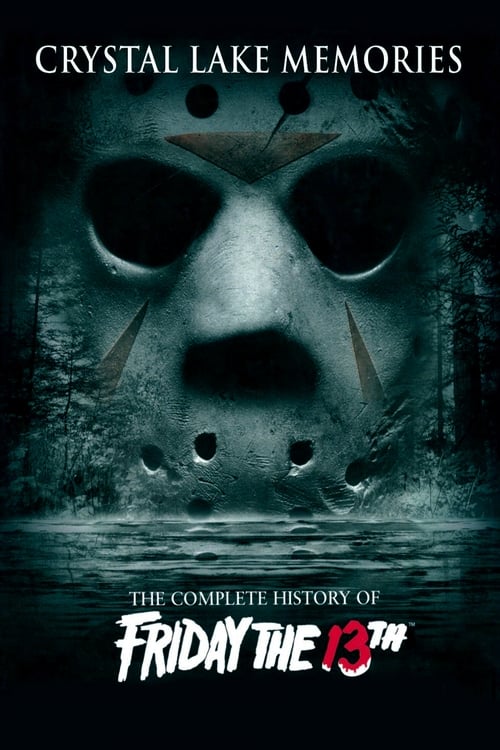
"Crystal Lake Memories: The Complete History of Friday the 13th" is a documentary that chronicles the making of the "Friday the 13th" franchise, rather than a traditional narrative film with a conventional ending. Therefore, it does not have a singular ending in the way a fictional movie would. Instead, it concludes with reflections on the impact of the franchise and its legacy in horror cinema.
In the expanded narrative, the documentary unfolds chronologically, starting with the origins of the "Friday the 13th" series. It details the creation of the first film in 1980, highlighting the motivations of key figures like Sean S. Cunningham and Victor Miller. As the documentary progresses, it delves into the various sequels, exploring the evolution of the character Jason Voorhees and the changing dynamics of horror films over the decades.
The film features interviews with cast and crew members, who share their experiences and challenges during production. Each segment of the documentary is punctuated with clips from the films, showcasing the iconic moments that have defined the franchise. The documentary also addresses the controversies surrounding the films, including their portrayal of violence and the impact on the horror genre.
As the documentary nears its conclusion, it reflects on the cultural significance of "Friday the 13th," emphasizing how it has influenced not only horror films but also popular culture at large. The final scenes highlight the enduring legacy of Jason Voorhees, showcasing his status as a horror icon and the continued interest in the franchise, even years after its inception.
The documentary does not focus on individual character fates in the traditional sense, as it is not a narrative film. Instead, it emphasizes the collective journey of the franchise and its characters, celebrating their contributions to the horror genre and the lasting impact they have had on audiences. The film ends on a note of nostalgia, with a sense of appreciation for the creativity and passion that brought the "Friday the 13th" series to life.
Is there a post-credit scene?
"Crystal Lake Memories: The Complete History of Friday the 13th" does not feature a post-credit scene. The documentary concludes with a comprehensive exploration of the "Friday the 13th" franchise, including interviews with cast and crew, behind-the-scenes footage, and discussions about the impact of the series on horror cinema. The film wraps up by reflecting on the legacy of Jason Voorhees and the cultural significance of the franchise, leaving viewers with a sense of closure regarding the extensive history of the series rather than a cliffhanger or additional scene.
What is the significance of Jason Voorhees' backstory in the series?
Jason Voorhees' backstory is crucial to the 'Friday the 13th' series, as it establishes his motivations and the horror that unfolds. Born deformed and bullied, he drowned at Camp Crystal Lake due to the negligence of the camp counselors. This traumatic event fuels his rage and desire for revenge against those he perceives as responsible for his suffering. His resurrection as a vengeful killer after his mother, Pamela Voorhees, is decapitated by Alice in the first film, solidifies his role as the primary antagonist throughout the series.
How does Pamela Voorhees' character influence the events of the first film?
Pamela Voorhees is the central figure in the first 'Friday the 13th' film, serving as the primary antagonist. Her character is driven by a deep maternal instinct and a desire for vengeance after the death of her son, Jason. As the film unfolds, her motivations are revealed through her interactions with the camp counselors, whom she blames for Jason's drowning. The emotional weight of her grief and rage culminates in a series of brutal murders, showcasing her transformation from a grieving mother to a relentless killer.
What role does the setting of Camp Crystal Lake play in the story?
Camp Crystal Lake serves as the haunting backdrop for the 'Friday the 13th' series, symbolizing both nostalgia and horror. Initially depicted as a serene summer camp, the setting quickly transforms into a site of terror as the counselors are stalked and killed by Jason. The juxtaposition of the camp's idyllic environment with the gruesome events creates a chilling atmosphere. The lake itself becomes a significant element, representing Jason's tragic past and the cycle of violence that ensues, as it is where he drowned and later where his mother seeks revenge.
How does the character of Alice Hardy evolve throughout the first film?
Alice Hardy, portrayed as the final girl in the first film, undergoes significant character development. Initially depicted as a carefree and somewhat naive camp counselor, her character evolves into a resourceful and resilient survivor. As the murders unfold, Alice's fear transforms into determination as she confronts Pamela Voorhees. The climax showcases her bravery and quick thinking, ultimately leading to her defeating Pamela. This transformation from innocence to survival reflects the broader themes of the series, where characters must confront their fears to survive.
What is the impact of Jason's iconic look on the franchise?
Jason Voorhees' iconic look, characterized by his hockey mask and machete, has a profound impact on the franchise and the horror genre as a whole. The mask, first introduced in 'Friday the 13th Part III,' symbolizes his transformation from a bullied child to a fearsome killer. It obscures his identity, allowing him to become a faceless embodiment of terror. This visual representation not only solidifies his status as a horror icon but also influences countless other slasher films, establishing a template for the masked killer archetype.
Is this family friendly?
"Crystal Lake Memories: The Complete History of Friday the 13th" is a documentary that delves into the making of the "Friday the 13th" film series. While it provides a comprehensive look at the franchise, it contains several elements that may not be suitable for children or sensitive viewers.
-
Graphic Violence: The documentary discusses and showcases scenes from the films that include graphic depictions of violence, including murders and gore, which may be disturbing.
-
Sexual Content: There are references to sexual themes and nudity present in the original films, which are discussed in the context of the franchise's history.
-
Strong Language: The documentary features strong language from interviews with cast and crew, which may not be appropriate for younger audiences.
-
Themes of Horror: The overall subject matter revolves around horror and slasher film tropes, which may be unsettling for children or those sensitive to fear-inducing content.
-
Real-Life Tragedies: The documentary touches on the impact of the films on the cast and crew, including personal struggles and tragedies, which could be emotionally heavy for some viewers.
Due to these elements, the documentary is generally not considered family-friendly.