
































Popular
What motivates the character of Chan Ka-lok throughout the series?
How does the relationship between Chan Ka-lok and his partner evolve over the series?
What are the key turning points in the character arc of the antagonist, Lee Siu-ming?
How does the series depict the impact of crime on the families of both police officers and criminals?
What role does the setting of Hong Kong play in shaping the narrative of OCTB?
Should I watch it?
Ask Your Own Question

What is the plot?
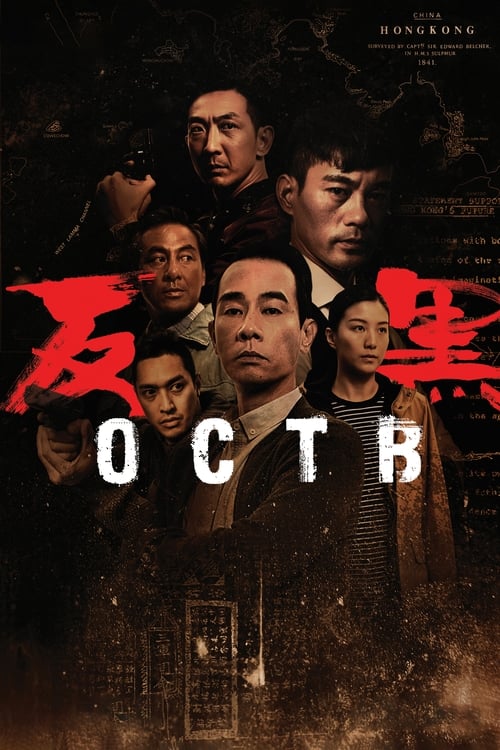
In the opening scenes of OCTB, we are introduced to the bustling streets of Hong Kong, where the camera pans over the vibrant cityscape. The narrative quickly shifts to the police force, focusing on a specialized unit known as the Organized Crime and Triad Bureau (OCTB). The team is led by Inspector Lee, a dedicated officer with a strong sense of justice. He is determined to dismantle the powerful triad organizations that have a stranglehold on the city. The tension is palpable as the unit prepares for a major operation targeting a notorious gang involved in drug trafficking.
As the operation unfolds, the OCTB team sets up a sting operation at a warehouse suspected of being a drug distribution center. The atmosphere is charged with anticipation as they await the arrival of the gang members. When the gang arrives, a fierce confrontation erupts. The OCTB officers spring into action, engaging in a chaotic shootout with the gang members. The scene is intense, with bullets flying and officers shouting commands. Inspector Lee showcases his leadership, coordinating the team's movements and ensuring their safety while trying to apprehend the criminals.
Despite their efforts, the operation does not go as planned. The gang manages to escape, leaving the OCTB team frustrated and on edge. Inspector Lee feels the weight of the failure, knowing that the gang will continue their operations unchecked. This setback fuels his determination to bring the criminals to justice. He begins to dig deeper into the gang's operations, seeking out informants and gathering intelligence. The emotional toll of the failed operation weighs heavily on him, as he grapples with the consequences of their actions.
Meanwhile, we are introduced to a key character, a young informant named Mei, who has connections to the triad. She is portrayed as conflicted, caught between her loyalty to her family, who are involved in the gang, and her desire to escape that life. Inspector Lee recognizes her potential as an informant and approaches her cautiously, trying to gain her trust. Their interactions are fraught with tension, as Mei is wary of the police but also desperate for a way out of her situation. Lee's empathy for her plight begins to develop, creating a complex dynamic between them.
As the investigation progresses, the OCTB team uncovers a larger conspiracy involving multiple triad factions. They learn that the gang they initially targeted is part of a more extensive network that is planning a significant drug shipment. The stakes are raised, and the team realizes they must act quickly to prevent the shipment from reaching its destination. Inspector Lee rallies his team, emphasizing the importance of their mission and the lives that depend on their success. The camaraderie among the officers is evident as they prepare for the next phase of their operation.
In a pivotal scene, the OCTB team sets up surveillance on a dock where the drug shipment is expected to arrive. The tension builds as they wait for the gang to make their move. When the gang members arrive, the OCTB officers spring into action once again. This time, the confrontation is even more intense, with a high-speed chase breaking out as the gang attempts to flee with the drugs. The chase is filled with adrenaline, showcasing the officers' determination to apprehend the criminals. Inspector Lee takes charge, directing his team through the chaotic streets of Hong Kong.
During the chase, Mei finds herself caught in the crossfire. She witnesses the brutality of the gang and the lengths the OCTB officers will go to protect the city. This moment becomes a turning point for her, as she realizes the true nature of the world she is entangled in. She makes a bold decision to assist the OCTB, providing them with crucial information about the gang's hideout. This act of bravery solidifies her role as a key player in the unfolding drama.
As the OCTB closes in on the gang's hideout, the tension reaches a boiling point. The officers prepare for a final confrontation, knowing that this could be their last chance to dismantle the operation. The scene is meticulously choreographed, with each officer taking their position, weapons drawn, hearts racing. Inspector Lee leads the charge, his resolve unwavering as they breach the hideout. The ensuing battle is fierce, with hand-to-hand combat and gunfire echoing through the building. The stakes are high, and the emotional weight of the moment is palpable as the officers fight not just for their lives, but for the safety of the city.
In the climax of the series, the OCTB team successfully apprehends the gang leaders, but not without significant personal cost. Several officers are injured, and the emotional toll of the confrontation is evident on their faces. Inspector Lee reflects on the sacrifices made and the lives affected by the triad's actions. The victory is bittersweet, as he grapples with the reality of the ongoing battle against organized crime.
The series concludes with a sense of unresolved tension. While the OCTB has dealt a significant blow to the triad, the fight is far from over. Inspector Lee and his team are left to contemplate their next steps, knowing that the war against organized crime will continue. Mei, having found her strength, decides to fully commit to helping the OCTB, signaling a new chapter in her life. The final scenes leave viewers with a sense of hope and determination, as the characters prepare to face the challenges that lie ahead.






What is the ending?
In the ending of OCTB, the main characters face the consequences of their actions throughout the series. The story culminates in a tense standoff, leading to significant losses and revelations about loyalty, betrayal, and the harsh realities of their lives. The fates of the key characters are sealed in a way that reflects their journeys and the choices they made.
As the final episodes unfold, the tension escalates. The narrative begins with a scene in a dimly lit warehouse, where the police are preparing for a major operation against the drug syndicate. Detective Lee, driven by a mix of duty and personal vendetta, is determined to bring down the criminal organization that has caused so much pain in his community. His internal struggle is palpable; he grapples with the morality of his actions and the impact they have on his family and colleagues.
In a parallel storyline, the leader of the syndicate, known as "The Boss," is shown in his lavish office, surrounded by his loyal henchmen. He is confident, believing he has outsmarted the police at every turn. However, there is a sense of paranoia creeping in as he realizes that his empire is under threat. His motivations are rooted in power and control, but as the police close in, his facade begins to crack.
The climax occurs during a high-stakes confrontation at the warehouse. The police, led by Detective Lee, storm the building, and chaos ensues. Gunfire erupts, and the camera captures the frantic movements of both the officers and the criminals. The sound of bullets and shouts fills the air, creating a visceral sense of danger. Detective Lee's determination is evident as he pushes forward, driven by the need to protect his team and bring justice to the streets.
In the midst of the chaos, key characters face their fates. One of Lee's closest allies, Officer Chan, is critically injured during the shootout. His pain and fear are evident as he struggles to stay conscious, calling out for help. This moment highlights the personal cost of their fight against crime, emphasizing the theme of sacrifice.
Meanwhile, The Boss attempts to escape, but he is cornered by Detective Lee. In a tense standoff, the two men confront each other, their motivations clashing. Lee's resolve is unwavering, fueled by the loss of his loved ones to the drug trade. The emotional weight of their confrontation is palpable, as both men realize the depths of their choices.
As the dust settles, the aftermath reveals the consequences of the battle. Officer Chan is rushed to the hospital, and the audience is left uncertain about his fate. Detective Lee stands outside the hospital, grappling with the reality of his decisions. The weight of his role as a protector and enforcer hangs heavily on him, and the emotional toll is evident in his expression.
The series concludes with a somber reflection on the cycle of violence and the impact of crime on individuals and families. Detective Lee, now more aware of the complexities of his world, walks away from the hospital, leaving viewers with a sense of unresolved tension. The final shot lingers on his face, capturing the burden of his choices and the uncertain future that lies ahead.
In summary, the ending of OCTB encapsulates the struggles of its characters, showcasing the harsh realities of their lives and the consequences of their actions. Each character's fate serves as a poignant reminder of the cost of their choices, leaving a lasting impact on the audience.
Is there a post-credit scene?
In the 2017 TV show "OCTB," there is indeed a post-credit scene that adds an intriguing layer to the narrative.
As the credits roll, the screen fades to black before transitioning to a dimly lit room. The atmosphere is tense, filled with the faint sound of dripping water echoing in the background. The camera slowly pans to reveal a table cluttered with various documents and photographs, all related to the ongoing investigations that have been central to the series.
In the center of the table lies a dossier marked with a red "CONFIDENTIAL" stamp. The camera zooms in on the dossier, and we see a close-up of a photograph of a character who has been a shadowy figure throughout the series, hinting at their deeper involvement in the criminal underworld. The character's face is partially obscured, but their piercing eyes convey a sense of menace and intelligence.
Suddenly, the door creaks open, and a figure steps into the room, their silhouette backlit by the harsh fluorescent lights outside. As they approach the table, the camera captures their hands, which are gloved and steady, revealing a sense of purpose and control. The figure picks up the dossier, flipping through the pages with a calm demeanor, but there's an underlying tension in their movements.
The scene cuts to a close-up of the figure's face, and a smirk slowly spreads across their lips, suggesting that they are orchestrating events from behind the scenes. The smirk fades as they look directly into the camera, their expression shifting to one of cold determination.
The screen then cuts to black again, and the words "To Be Continued" appear, leaving viewers with a sense of foreboding and anticipation for what lies ahead in the story. This post-credit scene effectively teases future conflicts and deepens the intrigue surrounding the characters and their motivations, setting the stage for potential new alliances and betrayals in the unfolding narrative.
What motivates the character of Chan Ka-lok throughout the series?
Chan Ka-lok, portrayed by the determined and ambitious police officer, is driven by a deep sense of justice and a desire to protect his community. His internal conflict often arises from the pressure to balance his duties as a police officer with the moral dilemmas he faces when dealing with the criminal underworld. His motivations are further complicated by his relationships with his colleagues and the personal sacrifices he makes in pursuit of his goals.
How does the relationship between Chan Ka-lok and his partner evolve over the series?
Initially, Chan Ka-lok's relationship with his partner is marked by tension and differing approaches to law enforcement. As they face various challenges together, including dangerous undercover operations and moral quandaries, their bond deepens. They learn to trust each other, sharing personal struggles and supporting one another through the emotional toll of their work, ultimately forming a strong partnership built on mutual respect and understanding.
What are the key turning points in the character arc of the antagonist, Lee Siu-ming?
Lee Siu-ming, the cunning and ruthless leader of a criminal organization, experiences significant turning points that reveal his vulnerabilities. Initially portrayed as a cold and calculating figure, moments of doubt and fear emerge as he faces increasing pressure from law enforcement and betrayal within his ranks. His motivations shift from pure ambition to a desperate need for survival, showcasing a more complex character as he grapples with the consequences of his actions.
How does the series depict the impact of crime on the families of both police officers and criminals?
The series poignantly illustrates the emotional and psychological toll that crime takes on the families involved. For police officers like Chan Ka-lok, the strain of their dangerous work leads to strained relationships at home, as loved ones worry about their safety and the moral implications of their job. Conversely, the families of criminals are shown grappling with the stigma and fear associated with their loved ones' actions, often caught in a cycle of violence and desperation, highlighting the far-reaching consequences of crime.
What role does the setting of Hong Kong play in shaping the narrative of OCTB?
The vibrant and bustling backdrop of Hong Kong serves as a critical element in shaping the narrative of OCTB. The city's contrasting landscapes, from its neon-lit streets to its shadowy alleyways, reflect the duality of law and crime. The setting influences character interactions and plot developments, as the characters navigate the complexities of urban life, with its rich cultural tapestry and underlying tensions, ultimately becoming a character in its own right within the story.
Is this family friendly?
OCTB, or "Over the Rainbow," produced in 2017, is a crime drama that delves into the lives of undercover police officers in Hong Kong. While it offers a gripping narrative, it contains several elements that may not be suitable for children or sensitive viewers.
-
Violence: The show features scenes of physical confrontations, including fights and shootouts, which can be intense and graphic.
-
Drug Use: There are depictions of drug trafficking and usage, which may be disturbing for younger audiences.
-
Mature Themes: The series explores themes of betrayal, moral ambiguity, and the psychological toll of undercover work, which may be complex and unsettling for children.
-
Language: The dialogue includes strong language and adult conversations that may not be appropriate for younger viewers.
-
Emotional Turmoil: Characters experience significant emotional distress, including anxiety, guilt, and trauma, which could be upsetting for sensitive individuals.
Overall, while OCTB presents a compelling story, its mature content makes it more suitable for adult audiences.