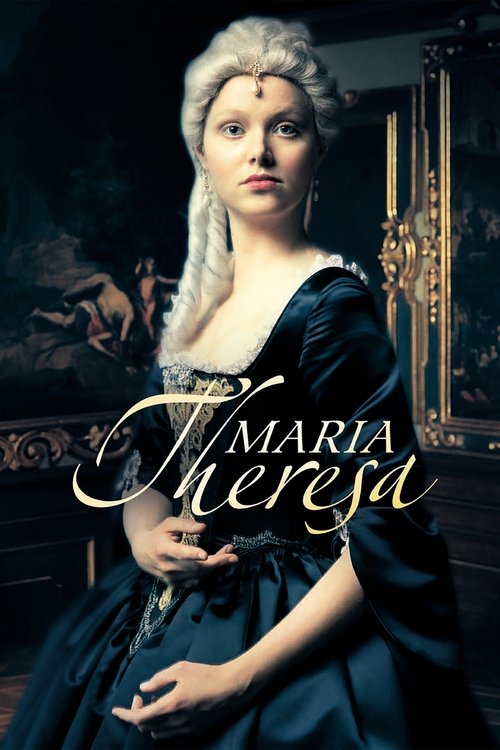





Popular
What challenges does Maria Theresa face in her early reign as a female ruler?
How does Maria Theresa's relationship with her husband, Francis I, evolve throughout the series?
What role do Maria Theresa's children play in her political strategy?
How does Maria Theresa respond to the War of Austrian Succession?
What is the significance of Maria Theresa's relationship with her advisors and military leaders?
Should I watch it?
Ask Your Own Question

What is the plot?
The story begins in the early 18th century, where the Habsburg Empire is facing a succession crisis after the death of Emperor Joseph I. The narrative introduces Maria Theresa, the eldest daughter of Charles VI, who is determined to secure her position as the rightful heir to the throne. Charles VI, her father, is deeply concerned about the future of the empire and is focused on ensuring that Maria Theresa is recognized as the sovereign ruler. He works tirelessly to promote the Pragmatic Sanction, a legal decree that would allow a woman to inherit the throne.
As the political landscape shifts, Maria Theresa is thrust into the spotlight. She is portrayed as a strong-willed and intelligent young woman, but she also grapples with the weight of her responsibilities. Her relationship with her father is central to her development; he instills in her the importance of duty and the need to be a capable ruler. The tension builds as various European powers, including Prussia and France, express their skepticism about a female ruler, setting the stage for conflict.
Following Charles VI's death, Maria Theresa is faced with immediate challenges. The Pragmatic Sanction is not universally accepted, and her claim to the throne is contested. Frederick II of Prussia seizes the opportunity to invade Silesia, a rich province that is crucial to the Habsburg Empire. This invasion marks the beginning of the War of the Austrian Succession, and Maria Theresa must rally her forces to defend her claim. She demonstrates her resolve by taking on the role of a leader, seeking alliances and support from other nations.
In the midst of the war, Maria Theresa's personal life unfolds. She marries Francis Stephen of Lorraine, a union that is both a political alliance and a love match. Their relationship is tender and supportive, providing her with emotional strength as she navigates the treacherous waters of politics and warfare. Together, they have several children, and Maria Theresa's role as a mother becomes intertwined with her duties as a ruler.
As the war progresses, Maria Theresa faces numerous setbacks. The loss of Silesia to Frederick II is a significant blow, and she struggles with feelings of inadequacy and despair. However, she refuses to back down, demonstrating her resilience. She works tirelessly to strengthen her military and diplomatic strategies, seeking to reclaim her lost territories. Her determination inspires her supporters, and she begins to gain the respect of her advisors and military leaders.
The narrative shifts to the battlefield, where Maria Theresa's forces engage in several key confrontations. The battles are depicted with intense detail, showcasing the chaos and brutality of war. Maria Theresa is not just a figurehead; she actively participates in strategizing and motivating her troops. The emotional toll of the war weighs heavily on her, as she witnesses the suffering of her people and the sacrifices made by her soldiers.
As the war drags on, Maria Theresa's political acumen becomes increasingly evident. She navigates complex alliances, forging relationships with other European powers to bolster her position. Her ability to adapt and respond to changing circumstances highlights her growth as a leader. Despite the challenges, she remains steadfast in her commitment to her empire and her family.
The climax of the series occurs when Maria Theresa finally manages to secure a peace treaty, albeit at a high cost. The treaty recognizes her as the legitimate ruler of Austria, but Silesia remains under Prussian control. This outcome is bittersweet for Maria Theresa, as she has fought valiantly for her claim but has not achieved complete victory. The emotional weight of this compromise is palpable, as she reflects on the sacrifices made during the war.
In the aftermath of the conflict, Maria Theresa focuses on rebuilding her empire. She implements reforms aimed at modernizing the administration and improving the lives of her subjects. Her dedication to her people is evident as she works to restore stability and prosperity. The series concludes with Maria Theresa solidifying her legacy as a formidable ruler, balancing her roles as a monarch and a mother, and preparing for the challenges that lie ahead.
More TV Shows Like This
Browse All TV Shows →



What is the ending?
In the ending of the 2017 TV show "Mária Terézia," Maria Theresa faces the culmination of her struggles as she solidifies her power and navigates the complexities of her reign. The series concludes with her securing her position as a ruler, despite the challenges she faced from various factions, including her own family and external threats. The final scenes depict her determination to lead her empire while also highlighting her personal sacrifices and the emotional toll of her responsibilities.
As the narrative unfolds in the final episodes, we see Maria Theresa grappling with the weight of her crown. The scene opens in her opulent yet austere palace, where she stands before a large window, gazing out at the sprawling city of Vienna. The sunlight filters through the glass, casting a warm glow on her face, but her expression is one of deep contemplation and concern. She reflects on the tumultuous events that have shaped her reign, including the wars, betrayals, and the loss of loved ones.
In the next scene, we transition to a council meeting where Maria Theresa is surrounded by her advisors. The atmosphere is tense as they discuss the ongoing threats to her rule, particularly from Frederick the Great of Prussia. Maria Theresa, with a steely resolve, asserts her authority, reminding her advisors of the sacrifices made for the Habsburg dynasty. Her voice is firm, yet there is an underlying vulnerability as she acknowledges the personal cost of her decisions. The camera captures her hands gripping the table, a physical manifestation of her determination.
As the narrative progresses, we witness a poignant moment between Maria Theresa and her husband, Francis I. In a private chamber, they share a quiet conversation, revealing the strain their roles have placed on their relationship. Francis expresses his concern for her well-being, and Maria Theresa, with tears in her eyes, confesses her fears of inadequacy as a ruler and a mother. This intimate exchange highlights her internal conflict, torn between her duties and her desire for familial closeness.
The climax of the series arrives during a grand military parade, where Maria Theresa stands proudly, flanked by her generals. The scene is filled with pomp and circumstance, yet there is an undercurrent of tension as she prepares to address her troops. As she delivers a rousing speech, her passion ignites the crowd, and we see soldiers rallying around her, their faces filled with admiration and loyalty. This moment symbolizes her acceptance of her role as a leader, embracing both the power and the burden it entails.
In the final scenes, we see Maria Theresa in her private quarters, surrounded by her children. She watches them play, a bittersweet smile on her face, knowing that her legacy will continue through them. The camera lingers on her expression, capturing a mix of pride and sorrow. The series closes with her standing alone in her chamber, looking at a portrait of her ancestors, a reminder of the weight of history she carries. The screen fades to black, leaving the audience with a sense of her enduring strength and the complexities of her reign.
In summary, the fates of the main characters are intertwined with Maria Theresa's journey. She emerges as a powerful ruler, having navigated the treacherous waters of politics and personal sacrifice. Francis I remains by her side, supportive yet aware of the challenges their relationship faces. The children symbolize hope for the future, while the advisors represent the ongoing struggle for stability in the empire. The ending encapsulates the themes of resilience, duty, and the personal costs of leadership, leaving a lasting impression of Maria Theresa's legacy.
Is there a post-credit scene?
The 2017 miniseries "Mária Terézia" does not include a post-credit scene. The series concludes its narrative without any additional scenes after the credits roll. The final moments of the show focus on the resolution of Mária Terézia's struggles and her establishment as a powerful ruler, emphasizing her determination and the challenges she faces as a woman in a male-dominated society. The ending encapsulates her legacy and the impact of her reign, leaving viewers with a sense of closure regarding her character's journey.
What challenges does Maria Theresa face in her early reign as a female ruler?
Maria Theresa faces significant challenges in her early reign, primarily due to her gender in a male-dominated society. She struggles to assert her authority and legitimacy as the ruler of the Habsburg Empire, especially when her claim to the throne is questioned by neighboring powers. The political landscape is fraught with tension, as she must navigate alliances and rivalries while proving her capability to lead.
How does Maria Theresa's relationship with her husband, Francis I, evolve throughout the series?
Maria Theresa's relationship with Francis I evolves from a politically motivated marriage into a partnership built on mutual respect and affection. Initially, Francis is portrayed as somewhat passive, but as the series progresses, he becomes a supportive figure, helping her navigate the complexities of ruling. Their bond deepens as they face external threats together, showcasing a blend of personal and political dynamics.
What role do Maria Theresa's children play in her political strategy?
Maria Theresa's children play a crucial role in her political strategy, as she arranges marriages to secure alliances and strengthen her position. Each child's marriage is carefully calculated to enhance the Habsburg influence across Europe. The emotional weight of these decisions is palpable, as Maria Theresa grapples with the personal sacrifices involved in her children's futures for the sake of the empire.
How does Maria Theresa respond to the War of Austrian Succession?
In response to the War of Austrian Succession, Maria Theresa demonstrates resilience and strategic acumen. She mobilizes her forces and seeks alliances, showcasing her determination to protect her realm. The emotional toll of the war is evident as she faces losses and betrayal, yet she remains steadfast, driven by her love for her country and her desire to prove herself as a capable ruler.
What is the significance of Maria Theresa's relationship with her advisors and military leaders?
Maria Theresa's relationships with her advisors and military leaders are significant as they reflect her evolving leadership style. Initially, she relies heavily on established figures, but as she gains confidence, she begins to assert her own vision. The dynamics are complex, with moments of tension and collaboration, highlighting her growth as a ruler who learns to balance counsel with her own instincts.
Is this family friendly?
The TV show "Mária Terézia," produced in 2017, contains several elements that may not be suitable for children or sensitive viewers. Here are some potentially objectionable or upsetting aspects:
-
Violence and Warfare: The series depicts various battles and conflicts, showcasing the brutality of war. Scenes may include combat, injuries, and the aftermath of violence, which could be distressing.
-
Political Intrigue and Betrayal: The narrative involves complex political maneuvering, betrayal, and manipulation, which may be difficult for younger viewers to understand and could evoke feelings of anxiety or distrust.
-
Death and Loss: Characters experience significant loss, including the death of loved ones. These moments are portrayed with emotional weight, which may be upsetting for sensitive viewers.
-
Emotional Turmoil: The characters often face intense emotional struggles, including feelings of isolation, fear, and despair, which may resonate deeply and evoke strong emotions.
-
Historical Context: The show addresses themes of power, gender roles, and societal expectations in a historical context, which may include mature discussions that could be challenging for younger audiences to grasp.
Overall, while the series offers a rich historical narrative, its themes and content may require parental discretion for younger viewers.