





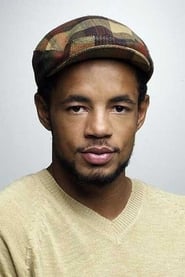

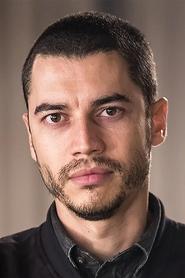
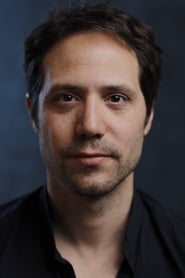
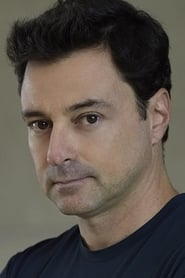



Popular
What role does investigator Marco Ruffo play in uncovering the corruption?
How does the character of Roberto Ibrahim contribute to the narrative?
What is the significance of the relationship between Marco Ruffo and his team?
How does the character of Verena Cardoni influence the investigation?
What are the consequences faced by characters involved in the corruption scandal?
Should I watch it?
Ask Your Own Question

What is the plot?
The Mechanism opens with a dramatic scene in Brazil, where a police operation is underway to arrest a group of individuals involved in a massive corruption scheme. The main character, investigator Marco Ruffo, is introduced as he leads the operation. The tension is palpable as Ruffo and his team raid a luxurious mansion, where they find evidence of money laundering and corruption linked to high-ranking officials. The operation is chaotic, with gunfire and the arrest of several suspects, setting the tone for the series.
Following the raid, Ruffo is seen grappling with the implications of the corruption he has uncovered. He is determined to expose the truth, but he faces significant pressure from his superiors and the political elite, who are deeply intertwined with the corrupt practices. Ruffo's internal conflict is evident as he weighs his duty to uphold the law against the potential consequences of his actions. He is portrayed as a dedicated but increasingly frustrated investigator, aware that he is up against a powerful system.
As the investigation unfolds, Ruffo collaborates with a young and ambitious investigator named Verena Cardoni. Their partnership develops as they delve deeper into the corruption network, which is revealed to involve not just local politicians but also international corporations. Verena's enthusiasm contrasts with Ruffo's cynicism, creating a dynamic that drives their investigation forward. They uncover a complex web of bribery and kickbacks, leading them to key figures in the political landscape.
The narrative shifts to the perspective of one of the corrupt politicians, who is shown making deals and maneuvering to protect his interests. This character, who is deeply entrenched in the corruption, becomes a significant antagonist in the story. His motivations are driven by greed and the desire to maintain power, and he is willing to go to great lengths to silence anyone who threatens his position. The stakes are raised as Ruffo and Verena realize they are not just fighting against corruption but also against powerful enemies who will stop at nothing to protect their secrets.
As Ruffo and Verena gather more evidence, they face increasing threats. Their investigation leads them to a series of clandestine meetings and dangerous encounters with those involved in the corruption. Tension escalates when Ruffo receives anonymous threats warning him to back off. Despite the danger, he remains resolute, driven by a sense of justice and the need to expose the truth. Verena, inspired by Ruffo's determination, becomes more involved, risking her own safety to assist in the investigation.
The plot thickens when Ruffo and Verena discover a crucial piece of evidence that links the corruption to a major construction project. This revelation puts them on a collision course with powerful business interests and corrupt officials. They realize that the corruption is not just a local issue but has far-reaching implications that could affect the entire country. The emotional weight of their discovery weighs heavily on both characters, as they understand the potential consequences of their findings.
In a pivotal moment, Ruffo decides to go public with their findings, believing that exposing the corruption is the only way to bring about change. This decision leads to a media frenzy, drawing public attention to the investigation. However, it also puts Ruffo and Verena in even greater danger, as the corrupt individuals they are targeting retaliate. The tension reaches a boiling point as Ruffo's personal life begins to unravel due to the stress and threats he faces.
As the investigation progresses, Ruffo and Verena face betrayal from within their own ranks. A trusted ally turns out to be compromised, leading to a series of setbacks in their efforts to gather evidence. This betrayal deepens Ruffo's sense of isolation and frustration, as he realizes that the corruption runs deeper than he initially thought. Verena, too, struggles with her loyalty and the risks involved in continuing the investigation.
The climax of the series occurs when Ruffo and Verena orchestrate a final operation to gather irrefutable evidence against the corrupt officials. They set up a sting operation, which involves careful planning and coordination with law enforcement. The tension is palpable as they wait for the operation to unfold, knowing that their lives are on the line. The operation is fraught with danger, and as it progresses, unexpected complications arise, leading to a tense confrontation.
In the aftermath of the operation, the fallout is significant. Some of the corrupt officials are arrested, but not without consequences. Ruffo and Verena face backlash from powerful figures who seek to discredit them and undermine their efforts. The emotional toll of the investigation weighs heavily on both characters, as they grapple with the reality of their fight against corruption and the personal sacrifices they have made.
The series concludes with Ruffo reflecting on the impact of their investigation. While some progress has been made in exposing corruption, he understands that the fight is far from over. The final scenes depict a sense of unresolved tension, as Ruffo and Verena prepare to continue their battle against corruption, knowing that the system is still rigged against them. The emotional weight of their journey lingers, leaving viewers with a sense of both hope and uncertainty about the future.








What is the ending?
In the ending of "The Mechanism," the investigation into the corruption within Brazil's political and business sectors reaches a climax. The main characters face the consequences of their actions, with some being arrested and others escaping justice. The series concludes with a sense of unresolved tension, highlighting the ongoing nature of corruption and the struggle for accountability.
As the final episodes unfold, we see the aftermath of the investigation led by the protagonist, investigator Marco Ruffo. The narrative begins with Ruffo grappling with the weight of the evidence he has gathered against powerful figures in Brazil. He is determined to bring the corrupt to justice, but the stakes are high, and the threats against him intensify.
In a pivotal scene, Ruffo meets with his team, including the dedicated investigator Verena Cardoni. They discuss the mounting pressure from political figures who are trying to undermine their work. Verena, who has been deeply affected by the personal toll of the investigation, expresses her fears about the repercussions they may face. Despite the danger, both remain resolute in their mission, driven by a sense of duty to expose the truth.
As the investigation progresses, we witness the arrest of several high-profile individuals involved in the corruption scheme. The tension escalates when Ruffo receives a warning that his life is in danger. This moment is filled with palpable anxiety, as he realizes the extent to which those in power will go to protect their interests. The audience can feel his internal conflict; he is torn between his commitment to justice and the fear for his own safety.
In a dramatic turn, Ruffo's personal life begins to unravel. His relationships suffer as he becomes increasingly consumed by the case. The emotional strain is evident in his interactions with his family, particularly with his estranged daughter, who confronts him about his obsession with the investigation. This scene is charged with emotion, showcasing Ruffo's internal struggle as he tries to balance his personal life with his professional responsibilities.
The climax of the series occurs during a tense confrontation between Ruffo and a powerful politician implicated in the corruption. The scene is fraught with tension as Ruffo confronts the politician, demanding accountability. The dialogue is sharp, revealing the deep-seated corruption that has permeated the system. The stakes are raised as Ruffo realizes that the politician has powerful allies who will stop at nothing to protect their interests.
As the series draws to a close, we see the fallout from the investigation. Some characters, like Verena, find themselves facing legal repercussions for their involvement in the corruption, while others manage to evade justice. The final scenes depict a sense of ambiguity; while some corrupt individuals are brought to justice, the overarching system remains intact, suggesting that the fight against corruption is far from over.
In the closing moments, Ruffo reflects on the journey he has taken. He stands alone, contemplating the sacrifices he has made and the impact of his work. The series ends on a somber note, leaving viewers with a lingering sense of uncertainty about the future of justice in Brazil. The fate of each main character is left open-ended, emphasizing the ongoing struggle against corruption and the complexities of moral choices in a flawed system.
Is there a post-credit scene?
The Mechanism, produced in 2018, does not feature a post-credit scene. The series concludes its narrative without any additional scenes after the credits roll. The final moments of the show focus on the aftermath of the investigations and the personal consequences faced by the characters, leaving viewers with a sense of closure regarding the main plotlines. The absence of a post-credit scene emphasizes the gravity of the story and the impact of corruption and betrayal that permeates the series.
What role does investigator Marco Ruffo play in uncovering the corruption?
Marco Ruffo, portrayed by Selton Mello, is a dedicated and relentless investigator who becomes deeply embroiled in the corruption scandal surrounding Brazil's political and economic systems. His motivations stem from a personal desire for justice and a professional obligation to expose the truth. As he delves deeper into the investigation, Ruffo faces moral dilemmas, threats to his safety, and the emotional toll of uncovering the extent of the corruption, which often puts him at odds with powerful figures.
How does the character of Roberto Ibrahim contribute to the narrative?
Roberto Ibrahim, played by Enrique Diaz, is a key figure in the corruption scheme, serving as a middleman who facilitates illicit transactions between politicians and business leaders. His character is complex; he is driven by ambition and the desire for wealth, yet he also exhibits moments of vulnerability. As the investigation unfolds, Ibrahim's interactions with Ruffo reveal the intricate web of deceit and the personal stakes involved, showcasing his internal conflict as he navigates the dangerous waters of betrayal and loyalty.
What is the significance of the relationship between Marco Ruffo and his team?
The relationship between Marco Ruffo and his investigative team is central to the narrative, highlighting themes of trust, camaraderie, and the strain of their high-stakes work. Each member brings unique skills and perspectives, but as the investigation intensifies, tensions rise. Ruffo's leadership is tested as he struggles to maintain morale and focus amidst external pressures and personal sacrifices, reflecting the emotional weight of their mission and the toll it takes on their personal lives.
How does the character of Verena Cardoni influence the investigation?
Verena Cardoni, portrayed by Tainá Müller, is a pivotal character who serves as both a whistleblower and a source of critical information for Ruffo's investigation. Her motivations are rooted in a desire to expose the truth and seek justice for the wrongs she has witnessed. As a former employee of a corrupt company, her insights provide crucial leads, but her involvement also places her in danger, illustrating the personal risks faced by those who dare to challenge the status quo.
What are the consequences faced by characters involved in the corruption scandal?
The characters involved in the corruption scandal face a range of consequences that reflect the high stakes of their actions. Some, like Roberto Ibrahim, experience legal repercussions and personal betrayals, while others, such as politicians, grapple with public scrutiny and loss of power. The emotional fallout is palpable, as characters confront their choices, the impact on their families, and the moral implications of their involvement, leading to a tense atmosphere filled with fear, regret, and the quest for redemption.
Is this family friendly?
"The Mechanism," produced in 2018, is a Brazilian crime drama that delves into the complex world of corruption and money laundering. The show is not considered family-friendly due to several potentially objectionable elements.
-
Violence: The series contains scenes of physical violence, including confrontations and threats that may be intense and unsettling for younger viewers.
-
Corruption and Crime: The narrative revolves around criminal activities, including bribery and illegal dealings, which may be inappropriate for children.
-
Strong Language: The dialogue includes profanity and harsh language that may not be suitable for a younger audience.
-
Mature Themes: The show explores themes of betrayal, moral ambiguity, and the impact of corruption on society, which may be complex and distressing for sensitive viewers.
-
Emotional Turmoil: Characters experience significant emotional distress, including anxiety, fear, and despair, which could be upsetting for some viewers.
Overall, the series is intended for a mature audience and may not be suitable for children or those who are sensitive to such themes.







