












Popular
What are the main character's motivations for being in Supermax?
How do the relationships between the inmates evolve throughout the series?
What role does the character 'Lúcia' play in the story?
What are the key conflicts that arise between the inmates and the guards?
How does the character 'Fábio' change throughout the series?
Should I watch it?
Ask Your Own Question

What is the plot?
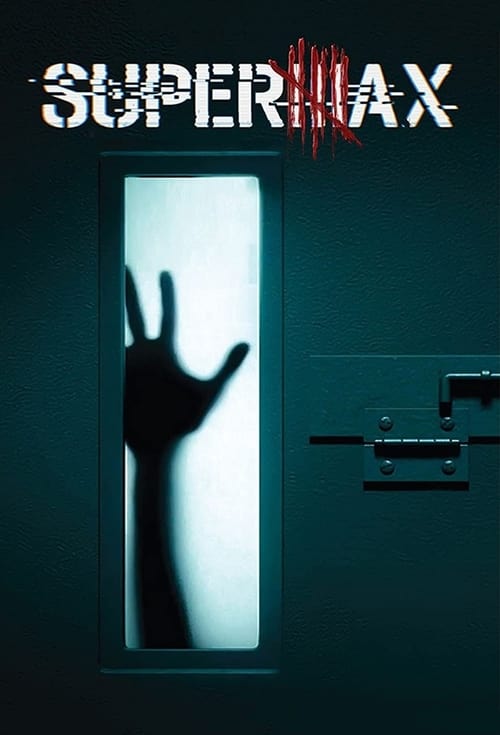
In the opening scenes of "Supermax," a group of diverse individuals finds themselves trapped in a high-security prison known as Supermax, which is designed to hold the most dangerous criminals. The main characters include a former cop named Miguel, a hacker named Tati, a drug dealer named Beto, and a journalist named Clara. Each character has their own backstory that led them to be incarcerated, and they are introduced through flashbacks that reveal their pasts and the circumstances of their arrests.
As the story unfolds, the characters quickly realize that they are not just prisoners; they are part of a twisted reality show orchestrated by a mysterious producer. The prison is rigged with cameras, and their every move is broadcast to an unseen audience. The characters grapple with the psychological implications of being watched and manipulated, leading to rising tensions among them. Miguel, who is determined to escape, begins to form alliances with Tati and Clara, while Beto remains more self-serving and distrustful.
The first major conflict arises when the group discovers that one of the inmates, a violent criminal named Rocco, has been given preferential treatment by the guards. Rocco's presence creates fear and chaos within the group, as he begins to assert dominance. Miguel confronts Rocco, leading to a physical altercation that showcases Miguel's fighting skills but also highlights the danger of challenging Rocco's authority. This confrontation sets the tone for the power dynamics within the prison.
As the days pass, the characters begin to devise a plan to escape. Tati uses her hacking skills to manipulate the prison's security systems, while Clara gathers information about the layout of the facility. They discover a weak point in the security that could allow them to break free. However, their plans are complicated by the arrival of a new guard, who seems to take a particular interest in Miguel and his leadership role among the inmates.
Tensions escalate when the group learns that one of their own, a character named Leo, has been secretly working with the guards. Leo's betrayal leads to a dramatic confrontation where the group must decide whether to trust him or eliminate the threat he poses. Miguel argues for a more democratic approach, while Beto pushes for a more violent solution. The internal conflict culminates in a heated argument that nearly tears the group apart.
In a pivotal moment, the group decides to move forward with their escape plan despite the risks. They execute a carefully coordinated effort to disable the security systems, using Tati's skills to create a diversion. As they make their way through the prison, they encounter various obstacles, including locked doors and patrolling guards. Each character's strengths and weaknesses are tested as they navigate the treacherous environment.
During their escape attempt, they face a critical moment when Rocco and his gang confront them. A brutal fight ensues, with punches thrown and weapons drawn. Miguel and Rocco engage in a fierce one-on-one battle, showcasing their physical prowess and determination. The fight is intense, with both characters pushing themselves to their limits. Ultimately, Miguel manages to outsmart Rocco, using the environment to his advantage and gaining the upper hand.
As they near the exit, the group is met with a final obstacle: a heavily fortified gate that requires a code to open. Tati races against time to hack into the system while the others fend off guards who are closing in on their position. The tension is palpable as they hear the sounds of footsteps approaching. Just as the guards are about to catch up with them, Tati successfully breaches the security system, and the gate swings open.
In the final moments of their escape, the group bursts through the gate, only to find themselves in a courtyard surrounded by high walls. They realize that they are not yet free, as the prison's perimeter is still heavily guarded. In a desperate bid for freedom, they split up to create distractions, allowing some members to make a run for it while others hold off the guards. The chaos of the moment is filled with gunfire and shouts, as the characters fight for their lives.
The climax of the story occurs when Miguel and Clara manage to reach the outer wall, but they are confronted by the head guard, who reveals that the entire escape was orchestrated as part of the reality show. The revelation shatters their hopes of freedom, as they realize they have been pawns in a larger game. In a final act of defiance, Miguel and Clara decide to fight back against the guards, leading to a dramatic standoff.
The series concludes with the remaining characters facing the consequences of their actions. Some are captured, while others manage to escape into the night. The emotional weight of their experiences lingers, as they reflect on their choices and the bonds they formed during their time in Supermax. The final scene leaves viewers questioning the nature of freedom and the lengths individuals will go to reclaim it.









What is the ending?
In the ending of "Supermax," the characters face the culmination of their struggles within the prison. The tension escalates as they confront their fears and the reality of their situations. Ultimately, the survivors must make critical choices that determine their fates, leading to a dramatic conclusion that leaves some characters dead and others forever changed.
As the final episodes unfold, the atmosphere within Supermax becomes increasingly charged. The remaining inmates, having endured numerous trials and tribulations, find themselves at a breaking point. The prison, a character in its own right, looms ominously, its walls echoing with the desperation and anger of those trapped inside.
Scene by scene, the narrative unfolds:
The first scene opens with the remaining inmates gathered in the common area, their faces etched with exhaustion and fear. Tensions are high as they discuss their dwindling options for escape. Each character reveals their internal struggles; some are motivated by a desire for freedom, while others grapple with guilt over past actions. The camera pans across their faces, capturing the raw emotions of despair and determination.
Next, the group devises a plan to confront the prison's corrupt officials, who have manipulated their situation for entertainment. The plan is fraught with danger, and the stakes are made clear: failure could mean death. As they prepare, the characters reflect on their pasts, revealing their vulnerabilities and the reasons they ended up in Supermax. This moment of camaraderie highlights their shared humanity, despite their criminal backgrounds.
As the plan unfolds, the inmates execute a series of daring maneuvers, showcasing their resourcefulness and bravery. The tension builds as they navigate the dark corridors of the prison, evading guards and overcoming obstacles. Each character plays a crucial role, and their individual motivations drive the action forward. The audience feels the weight of their choices, knowing that each decision could lead to salvation or doom.
In a climactic confrontation, the inmates face off against the guards in a desperate bid for freedom. The scene is chaotic, filled with shouts and the sounds of struggle. Characters are injured, and the emotional stakes are palpable. As the dust settles, it becomes clear that not everyone will make it out alive. The camera lingers on the faces of those who have fallen, capturing the sorrow and loss that permeates the air.
In the aftermath of the confrontation, the surviving characters are left to grapple with their new reality. Some manage to escape, but not without scars--both physical and emotional. The final moments of the series focus on the remaining characters as they reflect on their experiences. They are changed, marked by the violence and betrayal they have witnessed. The camera captures their expressions, a mix of relief and sorrow, as they step into an uncertain future.
The fates of the main characters are revealed: some find a semblance of freedom, while others are left to face the consequences of their actions. The series closes on a haunting note, emphasizing the themes of survival, redemption, and the complex nature of humanity. The characters, once defined by their crimes, emerge with a deeper understanding of themselves and the world around them, leaving the audience to ponder the true meaning of justice and forgiveness.
Is there a post-credit scene?
In the TV show "Supermax," produced in 2016, there is indeed a post-credit scene that adds an intriguing layer to the narrative. After the main credits roll, the scene opens in a dimly lit room, where a mysterious figure is seen observing the events that transpired within the prison. The camera slowly zooms in on a monitor displaying footage of the inmates and their struggles, hinting at a larger conspiracy at play.
The figure, shrouded in shadows, is revealed to be a high-ranking official, their face partially obscured. They speak into a phone, their voice calm yet authoritative, discussing the need to control the situation and prevent any leaks about the experiments conducted in Supermax. The tension in their voice suggests a deep concern for the implications of the inmates' actions and the potential fallout.
As the scene progresses, the official mentions a "Plan B," indicating that there are contingencies in place should the situation spiral out of control. The scene ends with a close-up of the official's hand, which hovers over a button on a control panel, leaving viewers with a sense of foreboding and the implication that the story is far from over.
This post-credit scene effectively sets the stage for potential future developments, emphasizing themes of manipulation, power, and the unseen forces that govern the lives of the characters within Supermax. It leaves the audience with lingering questions about the true nature of the prison and the extent of the control exerted over the inmates.
What are the main character's motivations for being in Supermax?
The main character, a former police officer named 'Rafael', finds himself in Supermax after being wrongfully accused of a crime he didn't commit. His motivation is driven by a desire to clear his name and seek justice, while also grappling with feelings of betrayal and anger towards the system that failed him.
How do the relationships between the inmates evolve throughout the series?
As the series progresses, the relationships between the inmates become increasingly complex. Initially, there is a strong sense of distrust and rivalry, but as they face external threats and challenges within Supermax, they begin to form alliances. Emotional bonds develop, revealing vulnerabilities and shared traumas, which ultimately lead to moments of camaraderie and sacrifice.
What role does the character 'Lúcia' play in the story?
Lúcia is a pivotal character who serves as a nurse in Supermax. Her role is crucial as she becomes a confidante for several inmates, providing emotional support and insight into their struggles. Lúcia's backstory reveals her own battles with the system, and her compassion often puts her at odds with the harsh realities of the prison environment.
What are the key conflicts that arise between the inmates and the guards?
The key conflicts between the inmates and the guards are rooted in power dynamics and control. The guards often exert brutal authority, leading to violent confrontations. Specific incidents, such as a guard's excessive use of force during a routine check, escalate tensions, prompting inmates to band together in resistance, which highlights their fight for dignity and survival.
How does the character 'Fábio' change throughout the series?
Fábio starts as a brash and self-serving inmate, primarily focused on his own survival. However, as the series unfolds, he experiences significant character development. Through interactions with other inmates and facing dire situations, he begins to show signs of empathy and leadership, ultimately transforming into a more complex character who values loyalty and friendship.
Is this family friendly?
"Supermax," produced in 2016, is not considered family-friendly due to its mature themes and content. Here are some potentially objectionable or upsetting aspects that may affect children or sensitive viewers:
-
Violence: The show features scenes of physical confrontations, including fights and assaults, which can be intense and graphic.
-
Language: There is frequent use of strong language and profanity throughout the series, which may not be suitable for younger audiences.
-
Psychological Tension: The narrative explores themes of paranoia, betrayal, and psychological manipulation, which can be distressing for sensitive viewers.
-
Drug Use: There are references to drug use and addiction, which may be inappropriate for children.
-
Mature Themes: The show delves into complex issues such as crime, morality, and survival, which may be difficult for younger viewers to understand or process.
-
Emotional Distress: Characters experience significant emotional turmoil, including fear, desperation, and trauma, which could be upsetting for some viewers.
Overall, the combination of these elements makes "Supermax" more suitable for an adult audience.