













Popular
What is the significance of the character Douglas Archer in SS-GB?
How does the relationship between Douglas Archer and Barbara Barga develop throughout the series?
What role does the character of Lord Beaverbrook play in the story?
What is the significance of the resistance movement in SS-GB?
How does the series depict the impact of the Nazi occupation on everyday life in Britain?
Should I watch it?
Ask Your Own Question

What is the plot?
In an alternate history set in 1941, following a successful German invasion of Britain, the story begins with Detective Inspector Douglas Archer, who works for the British police under the new Nazi regime. Archer is called to a murder scene in a bombed-out building in London, where the body of a man is discovered. The victim is identified as a British agent, and Archer is tasked with investigating the murder, which is complicated by the presence of German officers overseeing the investigation.
As Archer delves deeper into the case, he encounters a German officer named Colonel John Smith, who is keenly interested in the investigation. Archer feels the pressure of the occupying forces and is torn between his duty to the police and his growing resentment towards the Nazis. He learns that the victim was involved in espionage, which leads him to suspect that the murder is connected to a larger conspiracy.
Archer's investigation leads him to a woman named Barbara Barga, who is revealed to be a member of the British resistance. Their relationship becomes complicated as Archer is drawn to her, but he is also wary of her motives. Barbara reveals that the resistance is planning a major operation against the Nazis, and she seeks Archer's help. Archer is conflicted, as he is still trying to maintain his position within the police force while grappling with his loyalty to his country.
As Archer continues to investigate, he discovers that the murder is linked to a secret Nazi plan involving the British government. He learns that the Germans are planning to use a British traitor to further their agenda, and he realizes that he must act quickly to prevent this from happening. Archer's internal struggle intensifies as he weighs the consequences of his actions against the backdrop of the oppressive regime.
In a tense confrontation, Archer meets with Colonel Smith, who reveals his own ambitions and the lengths he is willing to go to maintain control over Britain. Archer is forced to navigate a dangerous game of cat and mouse, where every decision could have dire consequences. He begins to understand the true nature of the Nazi occupation and the moral complexities of his situation.
As the resistance operation approaches, Archer is drawn deeper into the conflict. He must decide whether to fully commit to the resistance or to continue playing the role of a loyal officer. His relationship with Barbara becomes more intense, and he grapples with his feelings for her while trying to maintain his cover. The stakes are raised as the resistance plans a bold attack on a key Nazi target.
The climax of the story unfolds during the resistance operation, where Archer and Barbara lead a group of fighters against the Nazis. The action is chaotic, with gunfire and explosions as they attempt to sabotage the German forces. Archer's leadership is tested as he faces both external threats and his own doubts about the right course of action. The confrontation is brutal, and several members of the resistance are killed, heightening the emotional stakes for Archer.
In the aftermath of the operation, Archer is left to deal with the consequences of their actions. The resistance suffers significant losses, and Archer is haunted by the decisions he made during the attack. He confronts Colonel Smith once more, leading to a tense standoff where Archer must choose between his own survival and the greater good of the resistance.
The story concludes with Archer facing the reality of his choices. He is left with a sense of loss and uncertainty about the future, as the Nazi regime continues to tighten its grip on Britain. The final scenes depict Archer's internal conflict and the heavy burden of his decisions, leaving the audience with a poignant sense of the cost of resistance in a world dominated by tyranny.









What is the ending?
In the ending of SS-GB, Detective Inspector Douglas Archer finds himself caught in a web of betrayal and moral conflict as he navigates the complexities of life under Nazi occupation in Britain. Ultimately, he makes a choice that leads to a tragic conclusion for several key characters, including his love interest, Sarah, and his former ally, the resistance leader, who faces dire consequences for their actions.
As the story unfolds, Archer's internal struggle culminates in a decisive moment that shapes the fate of those around him, leading to a poignant and somber resolution.
The final scenes of SS-GB unfold with a palpable tension, as Detective Inspector Douglas Archer stands at a crossroads, grappling with the weight of his choices. The atmosphere is thick with uncertainty, the air heavy with the consequences of collaboration and resistance in a world turned upside down by Nazi occupation.
Scene 1: Archer is in a dimly lit room, the shadows flickering against the walls as he confronts the reality of his situation. He has been drawn deeper into the conflict between the Nazis and the British resistance. His heart is heavy with the knowledge that his actions could lead to dire consequences for those he cares about. The stakes are high, and the tension is almost suffocating.
Scene 2: Archer meets with Sarah, his love interest, in a secluded location. Their conversation is fraught with emotion, as they discuss the risks they face. Sarah is determined to fight against the oppression, while Archer is torn between his duty as a police officer and his feelings for her. The chemistry between them is palpable, but so is the looming threat of betrayal and danger. Archer's internal conflict is evident; he wants to protect Sarah but knows that his position complicates their relationship.
Scene 3: The narrative shifts to the resistance leader, who is orchestrating a plan to undermine the Nazis. Archer is drawn into this plan, feeling a sense of duty to help. However, he is also aware that this could lead to severe repercussions. The tension escalates as the resistance prepares for a critical operation, and Archer must decide where his loyalties truly lie.
Scene 4: As the operation unfolds, chaos erupts. Archer finds himself in a precarious situation, caught between the Nazis and the resistance. The action is frenetic, with gunfire and shouts echoing through the streets. Archer's heart races as he navigates the turmoil, desperately trying to save those he loves while grappling with the reality of his choices.
Scene 5: In a heart-wrenching moment, Archer is forced to confront the consequences of his actions. Sarah is captured, and Archer's desperation to save her leads to a tragic confrontation. The emotional weight of the scene is palpable as Archer realizes that his attempts to protect her may have inadvertently led to her downfall. The look in Sarah's eyes reflects a mix of love and sorrow, a poignant reminder of the cost of their choices.
Scene 6: The climax reaches its peak as Archer faces off against the Nazis, determined to rescue Sarah. The stakes are at their highest, and the tension is almost unbearable. In a moment of bravery, Archer makes a choice that seals his fate, leading to a devastating outcome for both him and Sarah. The scene is charged with emotion, as the reality of their situation becomes painfully clear.
Scene 7: The aftermath is somber. Archer is left to grapple with the loss of Sarah and the consequences of his decisions. The weight of betrayal hangs heavy in the air, and the once vibrant hope for resistance is overshadowed by the grim reality of their situation. Archer's fate is sealed as he reflects on the choices he made, the lives affected, and the love lost.
In the end, Archer is left alone, haunted by the ghosts of his decisions. The narrative closes on a poignant note, emphasizing the personal cost of war and the complexities of loyalty, love, and sacrifice. The fates of the main characters serve as a stark reminder of the harsh realities faced during this tumultuous time, leaving the audience with a lingering sense of loss and reflection on the human condition amidst conflict.
Is there a post-credit scene?
The TV show SS-GB, produced in 2017, does not feature a post-credit scene. The series concludes with its final episode, wrapping up the narrative without any additional scenes or content after the credits. The focus remains on the resolution of the main plot and character arcs, particularly the struggles of Detective Superintendent Douglas Archer as he navigates the complexities of life under Nazi occupation in Britain. The ending leaves viewers with a sense of the ongoing tension and uncertainty in the alternate history presented, but there are no additional scenes to extend the story beyond the finale.
What is the significance of the character Douglas Archer in SS-GB?
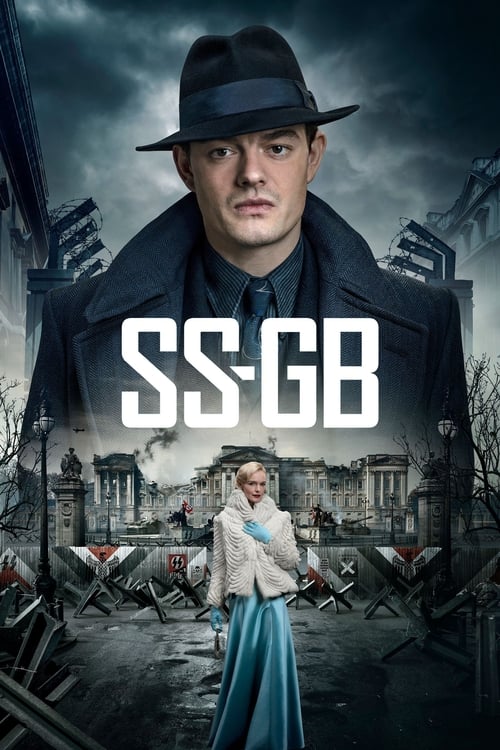
Douglas Archer, played by Sam Riley, is a detective chief inspector in the alternate history of SS-GB where Nazi Germany has successfully invaded Britain. His character is central to the narrative, embodying the conflict between duty and personal morality. Archer is torn between his role in the Nazi-controlled police force and his desire to resist the oppressive regime. His internal struggle is highlighted through his interactions with other characters, such as his love interest, Barbara Barga, and his former colleague, who represents the resistance. Archer's motivations are driven by a sense of justice and a longing for freedom, making him a complex and relatable protagonist.
How does the relationship between Douglas Archer and Barbara Barga develop throughout the series?
The relationship between Douglas Archer and Barbara Barga, played by Livia Scott, evolves significantly throughout SS-GB. Initially, Archer is drawn to Barbara due to her enigmatic nature and her connections to the resistance. As the series progresses, their relationship deepens, revealing layers of trust and betrayal. Barbara's duality as a potential ally and a woman with her own agenda creates tension. Archer's feelings for her complicate his decisions, especially as he grapples with the implications of her actions and the risks involved in their clandestine meetings. Their emotional connection serves as a catalyst for Archer's character development, pushing him to confront his loyalties.
What role does the character of Lord Beaverbrook play in the story?
Lord Beaverbrook, portrayed by Jason Flemyng, is a powerful figure in SS-GB, representing the interests of the British elite under Nazi rule. His character is pivotal as he navigates the treacherous political landscape, often manipulating events to maintain his influence. Beaverbrook's interactions with Archer reveal the complexities of collaboration and resistance. He embodies the moral ambiguity of those who choose to align with the occupiers for personal gain. His motivations are driven by ambition and a desire to preserve his status, making him a formidable antagonist in Archer's quest for justice.
What is the significance of the resistance movement in SS-GB?
The resistance movement in SS-GB is crucial to the plot, representing hope and defiance against the Nazi regime. Characters like Archer and Barbara become involved with the resistance, which is depicted as a network of individuals willing to risk their lives for freedom. The movement's significance lies in its portrayal of ordinary people standing up against tyranny, highlighting themes of sacrifice and courage. Key scenes involve covert operations and the moral dilemmas faced by the characters, emphasizing the personal stakes involved. The resistance serves as a backdrop for Archer's transformation, pushing him to confront his beliefs and ultimately choose a side.
How does the series depict the impact of the Nazi occupation on everyday life in Britain?
SS-GB vividly illustrates the impact of Nazi occupation on everyday life in Britain through its setting and character interactions. The series showcases a society under surveillance, where fear and suspicion permeate daily activities. Scenes depict the presence of German soldiers patrolling the streets, the imposition of curfews, and the propaganda disseminated to control the populace. Characters navigate a world where trust is scarce, and the consequences of dissent are dire. The emotional weight of living under occupation is felt through the struggles of families, the loss of freedom, and the moral compromises individuals must make to survive. This atmosphere of tension and uncertainty serves as a backdrop for the characters' personal journeys.
Is this family friendly?
"SS-GB," produced in 2017, is a historical drama set in an alternate history where Nazi Germany has successfully invaded Britain during World War II. The show contains several elements that may not be suitable for children or sensitive viewers.
-
Violence and Death: The series features scenes of violence, including gunfights, executions, and the aftermath of war, which can be graphic and unsettling.
-
Themes of Oppression: The narrative explores themes of totalitarianism, oppression, and the moral dilemmas faced by individuals under a repressive regime, which may be distressing for younger audiences.
-
Tension and Suspense: The atmosphere is often tense, with moments of high suspense that can evoke anxiety, particularly in scenes involving betrayal or danger.
-
Mature Language: The dialogue includes strong language and adult themes that may not be appropriate for younger viewers.
-
Emotional Turmoil: Characters experience significant emotional distress, including fear, betrayal, and loss, which may be difficult for sensitive viewers to process.
Overall, "SS-GB" is more suited for mature audiences due to its complex themes and intense scenes.







