










Popular
Should I watch it?
Ask Your Own Question

What is the plot?
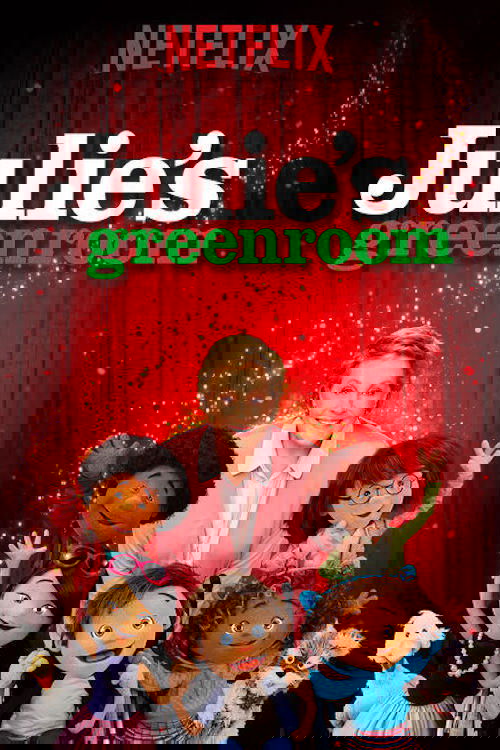
"Julie's Greenroom" begins with Julie Andrews, a beloved and iconic figure in the world of theater, who is the host of a children's arts program. The show is set in a vibrant greenroom, where Julie and her puppet friends, including a lively cast of characters, engage with young guests who are aspiring artists. The greenroom serves as a creative space where imagination and artistic expression flourish.
In the first episode, titled "The Show Must Go On," Julie introduces her puppet friends, including the enthusiastic and somewhat clumsy puppet named Gus. They discuss the importance of theater and the various roles involved in putting on a show. The episode sets the tone for the series, emphasizing creativity, teamwork, and the joy of performing.
As the episode progresses, Julie and her puppets prepare for a special performance. They invite a group of children to join them in the greenroom, where they learn about different aspects of theater, such as acting, singing, and dancing. The children are excited but also nervous about performing in front of an audience. Julie reassures them, sharing her own experiences and encouraging them to embrace their creativity.
In the second episode, "The Art of the Musical," Julie and her puppets focus on the musical aspect of theater. They invite a guest, a talented young singer, to help the children learn about singing techniques and the importance of vocal expression. The children participate in fun vocal exercises, and Julie emphasizes the joy of singing together. The episode highlights the emotional connection that music can create, as the children bond over their shared experiences.
The third episode, "The Power of Improv," introduces the concept of improvisation. Julie and her puppets engage the children in various improv games, encouraging them to think on their feet and be spontaneous. The children initially struggle with the idea of improvisation, but with Julie's guidance, they begin to embrace the challenge. The episode showcases the importance of creativity and adaptability in the performing arts.
In the fourth episode, "The Magic of Puppetry," Julie and her puppets delve into the art of puppetry. They invite a puppeteer to demonstrate different techniques and styles of puppetry. The children are fascinated by the puppets and learn how to manipulate them to tell stories. Julie emphasizes the power of storytelling through puppetry, and the children create their own puppet shows, showcasing their newfound skills.
The fifth episode, "The Importance of Teamwork," focuses on collaboration in theater. Julie and her puppets emphasize that putting on a show requires teamwork and communication. They engage the children in group activities that foster collaboration, such as creating a group performance. The children learn to listen to each other and work together, culminating in a heartwarming performance that showcases their collective efforts.
In the sixth episode, "The Joy of Dance," Julie and her puppets explore the world of dance. They invite a choreographer to teach the children various dance styles. The children are initially hesitant, but with encouragement from Julie and the puppets, they begin to express themselves through movement. The episode highlights the joy and freedom that dance can bring, as the children learn to let go and have fun.
As the series progresses, each episode builds on the previous ones, reinforcing the themes of creativity, collaboration, and self-expression. Julie's warm and nurturing presence serves as a guiding force for the children, helping them overcome their fears and embrace their artistic talents.
In the final episode, "The Big Show," all the lessons learned throughout the series come together as the children prepare for a grand performance. Julie and her puppets help the children finalize their acts, ensuring that everyone feels confident and ready to shine. The atmosphere is filled with excitement and anticipation as the children take the stage for their big moment.
The performance is a culmination of their hard work, creativity, and teamwork. Each child showcases their unique talents, whether through singing, dancing, or puppetry. Julie watches proudly, celebrating their achievements and the joy of artistic expression. The episode concludes with a heartfelt message about the importance of following one's passions and the magic of the performing arts.






What is the ending?
In the ending of "Julie's Greenroom," Julie and her friends successfully put on a final performance that showcases their growth and creativity. The show culminates in a celebration of friendship and the joy of performing, leaving the characters with a sense of accomplishment and a bright outlook for the future.
As the final episode unfolds, the scene opens in the Greenroom, where Julie and her puppet friends are bustling with excitement and a hint of nervousness. They are preparing for their big performance, which is a culmination of everything they have learned throughout the series. Julie, the enthusiastic and nurturing mentor, encourages her friends, reminding them of the importance of teamwork and believing in themselves. Her warm demeanor radiates a sense of calm, even as the stakes feel high.
The scene transitions to the stage, where the characters take their places. The audience is filled with friends, family, and community members, all eager to see what Julie and her team have created. As the curtain rises, the vibrant colors of the set and the lively music fill the air, setting an energetic tone. Each puppet character, from the quirky and comedic to the more serious and thoughtful, showcases their unique talents, reflecting their individual journeys throughout the series.
As the performance progresses, the characters face minor hiccups, but they support one another, demonstrating the bonds they have formed. Julie watches proudly, her heart swelling with joy as she sees her friends shine. The emotional stakes rise as they perform a heartfelt number that encapsulates their experiences, struggles, and triumphs. The audience is captivated, and the energy in the room is palpable.
In the final moments of the show, the characters come together for a grand finale, harmonizing beautifully and celebrating their friendship. The performance ends with thunderous applause, and the characters take their bows, beaming with pride. Julie, overwhelmed with emotion, realizes that this moment is not just about the performance but about the connections they have built and the lessons they have learned.
As the curtain falls, the scene shifts back to the Greenroom, where the characters gather to reflect on their journey. They express gratitude for one another and the experiences they have shared. Julie reassures them that this is just the beginning of their adventures in the world of performing arts. The episode closes with a sense of hope and excitement for the future, as the characters look forward to new challenges and opportunities.
In summary, Julie's Greenroom ends on a high note, emphasizing the importance of friendship, creativity, and the joy of performing. Each character leaves the experience with a renewed sense of purpose and confidence, ready to embrace whatever comes next in their artistic journeys.
Is there a post-credit scene?
In the show "Julie's Greenroom," there are no post-credit scenes. The series, which features Julie Andrews as the main character, focuses on her and her puppet friends as they teach children about the performing arts. Each episode concludes with a wrap-up of the lessons learned, but it does not include any additional scenes or content after the credits. The emphasis remains on the educational aspect and the joy of creativity, rather than on cliffhangers or extended narratives typical of post-credit scenes in other shows.
What role does Julie Andrews play in Julie's Greenroom?
Julie Andrews plays the character of Julie, a nurturing and encouraging mentor who guides a group of young puppets in their journey to learn about the performing arts. Her character embodies warmth and wisdom, often providing valuable life lessons and support to her students.
Who are the main puppet characters in Julie's Greenroom?
The main puppet characters include a diverse group of young puppets such as Gus, a curious and enthusiastic puppet; Bailey, a shy and sensitive puppet; and others like the energetic and playful puppet named Fifi. Each puppet has distinct personalities and challenges that they face throughout the series.
What kind of lessons do the puppets learn in each episode?
In each episode, the puppets learn various aspects of the performing arts, such as singing, dancing, acting, and teamwork. They also tackle important life skills like confidence, creativity, and the importance of friendship, often through engaging activities and performances.
How does Julie Andrews interact with the puppet characters?
Julie Andrews interacts with the puppet characters in a warm and engaging manner, often addressing them directly and encouraging their creativity. Her interactions are filled with humor and affection, creating a supportive environment where the puppets feel safe to express themselves and explore their talents.
What challenges do the puppets face in their journey to perform?
The puppets face various challenges such as stage fright, self-doubt, and the pressure of performing in front of an audience. Each episode presents a unique obstacle that they must overcome, often with Julie's guidance, leading to personal growth and a deeper understanding of their abilities.
Is this family friendly?
"Julie's Greenroom," produced in 2017, is designed to be a family-friendly show aimed primarily at children. It features Julie Andrews as the lead character, who guides a group of puppet characters through various lessons about the performing arts. The show promotes creativity, teamwork, and self-expression.
While the series is generally light-hearted and positive, there are a few elements that might be considered potentially objectionable or upsetting for very sensitive viewers:
-
Emotional Themes: Some episodes explore feelings of disappointment or frustration when characters face challenges in their performances or creative endeavors. These moments may evoke empathy and concern in young viewers.
-
Conflict Resolution: There are instances of conflict among characters, which may lead to temporary feelings of sadness or tension. However, these conflicts are resolved positively, emphasizing the importance of communication and understanding.
-
Stage Fright: The concept of stage fright is addressed, which might resonate with children who have similar fears. While it is handled in a supportive manner, it could still be a source of anxiety for some viewers.
-
Character Quirks: Some puppet characters have exaggerated personalities or quirks that might be confusing or unsettling to very young children, though they are ultimately portrayed in a humorous and endearing light.
Overall, "Julie's Greenroom" is crafted to be uplifting and educational, with any potentially upsetting moments being handled with care and ultimately leading to positive resolutions.







