













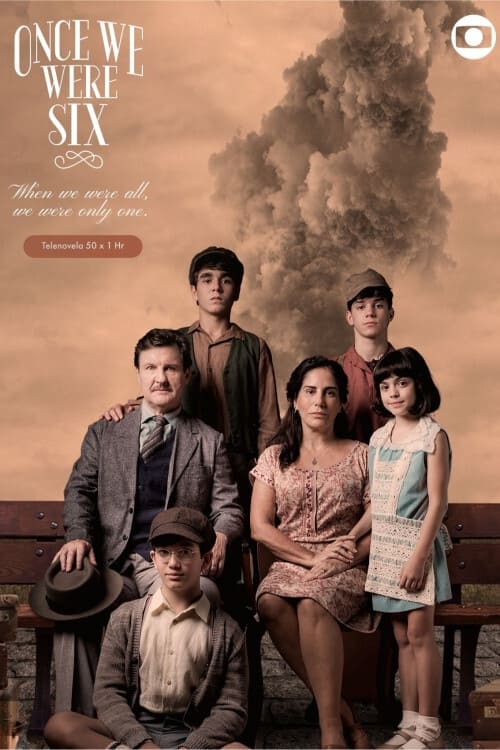
Popular
What motivates the main character, the seamstress, to take on the challenges she faces throughout the series?
How does the relationship between the seamstress and her mentor influence her journey?
What role does the historical setting play in the seamstress's struggles and triumphs?
How does the seamstress confront the antagonistic forces in her life?
What significant events lead to the seamstress's transformation over the course of the series?
Should I watch it?
Ask Your Own Question

What is the plot?
In the small town of Santa Rosa, the story begins with a young seamstress named Maria, who is known for her exceptional sewing skills. She lives a modest life, working in her family's tailor shop. Maria is deeply devoted to her craft and dreams of one day creating beautiful garments that will be admired by all. Her life takes a turn when she meets a charming and wealthy man named Alejandro, who is captivated by her talent and beauty. They quickly develop a romantic relationship, filled with passion and hope for the future.
As their relationship blossoms, Maria learns that Alejandro comes from a powerful family with a dark history. His father, Don Ricardo, is a ruthless landowner who has a reputation for exploiting the local workers. Despite the warnings from her family and friends, Maria is drawn to Alejandro's charm and the promise of a better life. She becomes increasingly involved in Alejandro's world, attending lavish parties and experiencing a lifestyle far removed from her humble beginnings.
Tensions rise when Don Ricardo discovers the relationship between Maria and Alejandro. He disapproves of their union, believing that Maria is unworthy of his son. In a fit of rage, Don Ricardo confronts Maria, threatening her and her family if she does not end the relationship. This confrontation leaves Maria feeling vulnerable and scared, but she is determined to fight for her love. Alejandro, torn between his loyalty to his father and his feelings for Maria, promises to protect her and vows to stand up against his father's tyranny.
As the story progresses, Maria's life becomes increasingly complicated. She learns that Don Ricardo is involved in illegal activities, including land theft and corruption. Maria decides to take a stand against the injustices in her community, using her sewing skills to create garments that symbolize resistance and empowerment. She gathers a group of local women, teaching them to sew and encouraging them to express their struggles through fashion. This movement gains momentum, and Maria becomes a leader in the fight against Don Ricardo's oppressive regime.
The conflict escalates when Don Ricardo retaliates against Maria and her supporters. He orders his men to intimidate the women, threatening violence if they do not cease their activities. Maria, fueled by her passion and determination, refuses to back down. She organizes a protest, where the women wear the garments they have created, showcasing their strength and unity. The protest draws attention from the media, and the community begins to rally behind Maria's cause.
In a climactic confrontation, Alejandro is forced to choose between his loyalty to his father and his love for Maria. He ultimately decides to side with Maria, realizing that his father's actions are unjust. Together, they confront Don Ricardo, demanding that he cease his oppressive practices. The confrontation is intense, with emotions running high as Maria stands her ground, challenging Don Ricardo's authority.
The final act of the story sees a dramatic showdown between Maria and Don Ricardo. In a tense exchange, Maria reveals the truth about his illegal activities to the public, exposing his corruption. Don Ricardo, cornered and desperate, attempts to silence Maria, but the community stands behind her, refusing to let him intimidate them any longer. The power dynamics shift as the townspeople unite against Don Ricardo, leading to his eventual downfall.
In the aftermath, Maria and Alejandro emerge as symbols of hope and resilience. They work together to rebuild their community, focusing on justice and equality. Maria's journey from a humble seamstress to a powerful leader inspires those around her, and she continues to use her craft to empower others. The story concludes with a sense of triumph, as Maria's dreams of creating beautiful garments are realized, not just for herself, but for the entire community she has fought to uplift.








What is the ending?
In the ending of "The Seamstress," the main character, a talented seamstress named Maria, faces the culmination of her struggles as she confronts her past and the oppressive forces that have shaped her life. The story concludes with her finding a sense of closure and empowerment, as she takes control of her destiny.
As the final scenes unfold, Maria stands in her workshop, surrounded by the remnants of her work and the memories of her journey. She reflects on the sacrifices she has made and the people she has lost. The atmosphere is heavy with emotion, yet there is a sense of determination in her demeanor. The narrative shifts to her interactions with the other key characters, revealing their fates and the resolutions of their arcs.
In a poignant moment, Maria confronts the antagonist who has caused her much pain. This confrontation is charged with tension, as Maria finally voices her grievances and stands up for herself. The antagonist, taken aback by Maria's newfound strength, is left to grapple with the consequences of their actions.
The story concludes with Maria stepping out of her workshop, symbolizing her liberation from the constraints of her past. She walks into the sunlight, a visual metaphor for her newfound hope and the possibilities that lie ahead. The final shot lingers on her face, capturing a blend of relief and resolve as she embraces her future.
Expanded Narrative:
The final act of "The Seamstress" begins in the dimly lit workshop where Maria has spent countless hours sewing and dreaming. The air is thick with the scent of fabric and the weight of memories. As she meticulously stitches a final piece, her hands tremble slightly, not from fear, but from the anticipation of what is to come. The camera captures the intricate details of her work, each stitch a testament to her resilience and artistry.
Scene transitions to Maria's confrontation with the antagonist, a figure who has loomed large in her life, representing the oppressive forces that have sought to control her. The setting shifts to a stark, cold office where the antagonist sits, exuding an air of authority. Maria enters, her heart pounding, but her resolve unwavering. The tension is palpable as she stands before the antagonist, her voice steady as she articulates the pain and injustice she has endured. The antagonist, initially dismissive, begins to realize that Maria is no longer the submissive figure they once knew.
As the confrontation escalates, the camera alternates between close-ups of Maria's determined expression and the antagonist's shifting demeanor. The emotional stakes are high, and the audience can feel the weight of Maria's journey culminating in this moment. She speaks not just for herself, but for all those who have suffered in silence. The antagonist, faced with the truth of their actions, falters, revealing cracks in their facade of power.
Following this pivotal moment, the narrative shifts back to the workshop. Maria, now alone, takes a deep breath, allowing the gravity of her actions to settle within her. She looks around, her eyes lingering on the fabrics that have been her companions through hardship. In this moment of solitude, she finds clarity and strength. The camera captures her as she begins to clean up her workspace, symbolizing a fresh start and the shedding of her past burdens.
The final scenes depict Maria stepping out of her workshop into the bright sunlight. The contrast between the dim interior and the vibrant exterior is striking, representing her transition from darkness to light. As she walks down the street, the camera follows her, capturing the subtle changes in her posture and expression. There is a newfound confidence in her stride, a sense of purpose that had been absent before.
In the closing moments, the narrative zooms in on Maria's face, a mixture of relief and determination etched across her features. She is no longer just a seamstress; she is a woman who has reclaimed her voice and her life. The screen fades to black, leaving the audience with a sense of hope and the understanding that Maria's journey is just beginning.
The fates of the other main characters are also revealed in these final moments. Some have chosen to support Maria in her newfound independence, while others remain entrenched in their old ways, unable to change. This contrast highlights the theme of personal growth and the choices that define one's path. Maria's journey serves as a powerful reminder of resilience, empowerment, and the importance of standing up for oneself in the face of adversity.
Is there a post-credit scene?
The Seamstress, produced in 2017, does not feature a post-credit scene. The narrative concludes with a poignant resolution that encapsulates the themes of sacrifice, resilience, and the pursuit of dreams. The final moments of the show focus on the main character, who reflects on her journey and the impact of her choices, leaving viewers with a sense of closure and emotional resonance. The absence of a post-credit scene allows the audience to fully absorb the story's conclusion without additional distractions.
What motivates the main character, the seamstress, to take on the challenges she faces throughout the series?
The seamstress, a skilled and determined woman, is driven by her desire to provide for her family and to assert her independence in a male-dominated society. Her passion for sewing is not just a means of livelihood but also a form of self-expression and empowerment. As she navigates through personal and societal obstacles, her motivations evolve, reflecting her growth and resilience.
How does the relationship between the seamstress and her mentor influence her journey?
The seamstress's relationship with her mentor is pivotal in shaping her skills and confidence. The mentor, a seasoned seamstress, provides not only technical guidance but also emotional support, encouraging her to embrace her talent. This bond deepens as they face external challenges together, highlighting themes of friendship and the passing of knowledge across generations.
What role does the historical setting play in the seamstress's struggles and triumphs?
Set against a backdrop of social upheaval and change, the historical context significantly impacts the seamstress's life. The societal expectations and limitations placed on women during this time create a sense of urgency in her quest for autonomy. The challenges she faces, such as discrimination and economic hardship, are intensified by the era's political climate, making her victories all the more poignant.
How does the seamstress confront the antagonistic forces in her life?
Throughout the series, the seamstress encounters various antagonistic forces, including societal norms, rival seamstresses, and personal betrayals. She confronts these challenges with a mix of resilience and ingenuity, often using her sewing skills as a means of defiance. Her confrontations are marked by emotional turmoil, as she grapples with fear and determination, ultimately leading to her growth as a character.
What significant events lead to the seamstress's transformation over the course of the series?
Key events, such as personal losses, professional setbacks, and moments of triumph, catalyze the seamstress's transformation. Each challenge she faces forces her to reevaluate her priorities and beliefs. For instance, a major setback in her business leads her to innovate and adapt, while personal losses deepen her resolve to succeed. These experiences shape her into a more confident and assertive individual, culminating in her ultimate empowerment.
Is this family friendly?
"The Seamstress," produced in 2017, is a drama that explores themes of love, loss, and resilience against a backdrop of historical events. While the show has a rich narrative, it does contain some elements that may be considered objectionable or upsetting for children or sensitive viewers.
-
Violence and Conflict: The series includes scenes depicting war and conflict, which may involve graphic imagery or intense moments that could be distressing.
-
Emotional Trauma: Characters experience significant emotional turmoil, including loss of loved ones and the impact of war on families, which may be heavy for younger audiences.
-
Romantic Relationships: There are romantic subplots that may include themes of infidelity or heartbreak, which could be complex for younger viewers to understand.
-
Social Injustice: The show addresses issues of class disparity and social injustice, which may present challenging themes for sensitive viewers.
-
Death and Grief: The narrative includes themes of death and the grieving process, which could be upsetting for children or those who are sensitive to such topics.
Overall, while "The Seamstress" offers a compelling story, its mature themes and emotional depth may not be suitable for all audiences, particularly younger children.