
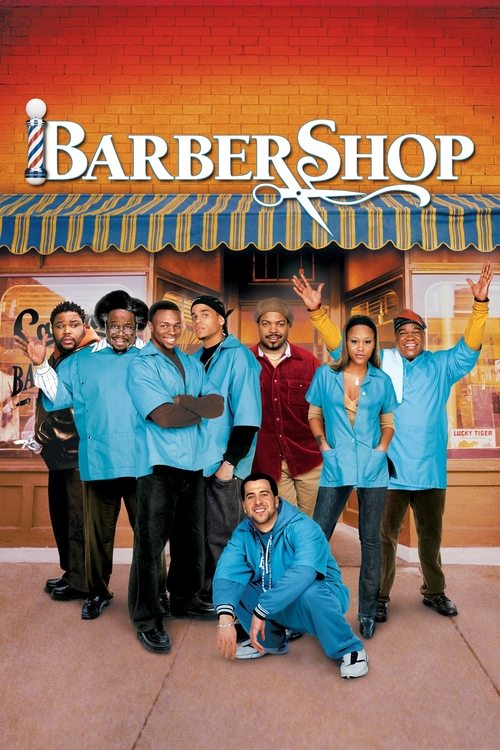

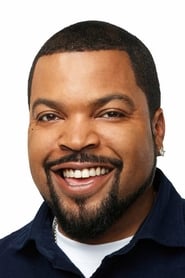
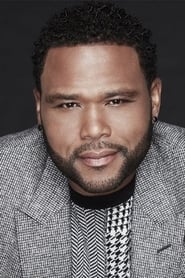
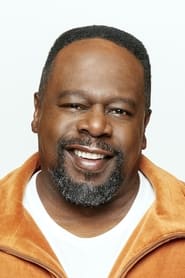












Popular
What motivates Calvin to keep the barbershop open despite financial struggles?
How does the relationship between Calvin and Eddie evolve throughout the film?
What role does the character of Dinka play in the barbershop's dynamics?
How does the subplot involving the stolen money affect the characters?
What is the significance of the barbershop as a community space in the film?
Should I watch it?
Ask Your Own Question

What is the plot?
Sorry, we aren't able to watch and write up a full detailed plot yet. Check back in a few days.





What is the ending?
At the end of "Barbershop," Calvin decides to keep the barbershop open, embracing his community and the legacy of his father. He reconciles with his friends and employees, and they come together to celebrate their bond. The film concludes with a sense of hope and unity among the characters.
In the final scenes of "Barbershop," the atmosphere in the shop is charged with anticipation as Calvin, played by Ice Cube, grapples with the decision of whether to sell the family business. The barbershop, a hub of community life, has been struggling financially, and Calvin sees a way out by selling it to a wealthy businessman. However, as the day unfolds, he begins to realize the importance of the shop not just as a business, but as a place of connection and heritage.
As the day progresses, Calvin's employees, including the charismatic and wise Eddie, played by Cedric the Entertainer, and the young barber, Jimmy, express their discontent with the idea of selling. Eddie, in particular, shares heartfelt stories about the significance of the barbershop in the community, emphasizing how it serves as a gathering place for people to share their lives, laughter, and struggles. Calvin listens, visibly torn between the allure of financial security and the emotional weight of his father's legacy.
In a pivotal moment, Calvin witnesses a robbery attempt at the shop, which serves as a wake-up call. The incident brings the barbershop community together, showcasing their resilience and solidarity. The camaraderie among the barbers and their clients becomes evident as they rally to protect their space. This event solidifies Calvin's realization that the barbershop is more than just a business; it is a vital part of their lives.
As the day comes to a close, Calvin makes the decision to keep the barbershop open. He gathers his employees and clients, expressing his commitment to the shop and the community it serves. The atmosphere shifts from one of uncertainty to one of celebration. The barbers and clients come together, sharing laughter and stories, reinforcing the bonds that have been formed within the walls of the shop.
In the final moments, Calvin stands proudly in the barbershop, surrounded by his friends and employees. The camera captures the joy and unity among them, highlighting the importance of community and the legacy of family. The film ends on a hopeful note, with Calvin embracing his role as the owner of the barbershop, ready to continue the tradition and make it thrive.
The fates of the main characters are intertwined with this decision. Calvin finds a renewed sense of purpose and connection to his father's legacy. Eddie, who has been a guiding force throughout the film, continues to share his wisdom and humor with the community. Jimmy, who has struggled with his own identity, finds a place where he belongs. The barbershop remains a vibrant space, symbolizing resilience, community, and the importance of staying true to one's roots.
Is there a post-credit scene?
In the movie "Barbershop" (2002), there is no post-credit scene. The film concludes with a sense of resolution as the characters reflect on their experiences and the importance of community and friendship. The final moments focus on Calvin, who has decided to keep the barbershop open, embracing his role in the neighborhood and the legacy of his father. The film ends on a positive note, celebrating the bonds formed within the barbershop and the vibrant life of the community, leaving no additional scenes or content after the credits.
What motivates Calvin to keep the barbershop open despite financial struggles?
Calvin, played by Ice Cube, is initially motivated by the desire to make a quick profit after inheriting the barbershop from his father. However, as the story unfolds, he becomes emotionally attached to the shop and its community. He realizes the barbershop is not just a business but a place of connection and heritage, which drives him to fight for its survival.
How does the relationship between Calvin and Eddie evolve throughout the film?
Calvin and Eddie, portrayed by Cedric the Entertainer, start off with a contentious relationship, as Calvin is frustrated with Eddie's laid-back attitude and lack of ambition. However, as they face challenges together, including the threat of losing the barbershop, Calvin begins to appreciate Eddie's wisdom and experience. Their bond deepens, showcasing a mentor-mentee dynamic that ultimately leads to mutual respect.
What role does the character of Dinka play in the barbershop's dynamics?
Dinka, played by Leon, is a new barber who brings a fresh perspective to the shop. His character introduces a sense of competition and tension, particularly with the established barbers. Dinka's confidence and style challenge the status quo, forcing the other barbers, including Calvin, to confront their own insecurities and adapt to the changing environment of the barbershop.
How does the subplot involving the stolen money affect the characters?
The subplot of the stolen money, which Calvin discovers was taken by a local thug, creates a significant conflict within the barbershop. It tests the loyalty and integrity of the barbers, particularly when they are faced with the moral dilemma of whether to confront the thief or protect their community. This situation ultimately brings the barbers together, reinforcing their camaraderie and shared values.
What is the significance of the barbershop as a community space in the film?
The barbershop serves as a vital community hub where characters from various backgrounds come together to share stories, advice, and laughter. It represents a safe space for dialogue and cultural exchange, highlighting the importance of community in the lives of the characters. The interactions within the shop reveal personal struggles, aspirations, and the collective identity of the neighborhood, making it a central element of the film's narrative.
Is this family friendly?
"Barbershop," produced in 2002, is a comedy-drama that revolves around the daily life and interactions within a barbershop in Chicago. While the film has humorous and heartwarming moments, it does contain some content that may not be suitable for children or sensitive viewers.
-
Language: The film features frequent use of strong language, including profanity, which may be inappropriate for younger audiences.
-
Adult Themes: There are discussions and jokes about relationships, sexuality, and infidelity that may not be suitable for children.
-
Violence: There are scenes that depict minor violence, including a robbery that occurs in the barbershop, which could be unsettling for some viewers.
-
Racial and Social Commentary: The film addresses issues of race and socioeconomic status, which may be complex for younger viewers to fully understand.
-
Substance Use: There are references to alcohol and drug use, which may be concerning for sensitive audiences.
Overall, while "Barbershop" has positive messages about community and friendship, its language and themes may make it more appropriate for older teens and adults.









