












Popular
What is the significance of the character Merrily Watkins in the story?
How does Merrily's relationship with her daughter Jane evolve throughout the series?
What role does the character of the Bishop play in Merrily's journey?
What supernatural elements does Merrily encounter, and how do they affect her?
How does the setting of Herefordshire influence the story and characters?
Should I watch it?
Ask Your Own Question

What is the plot?
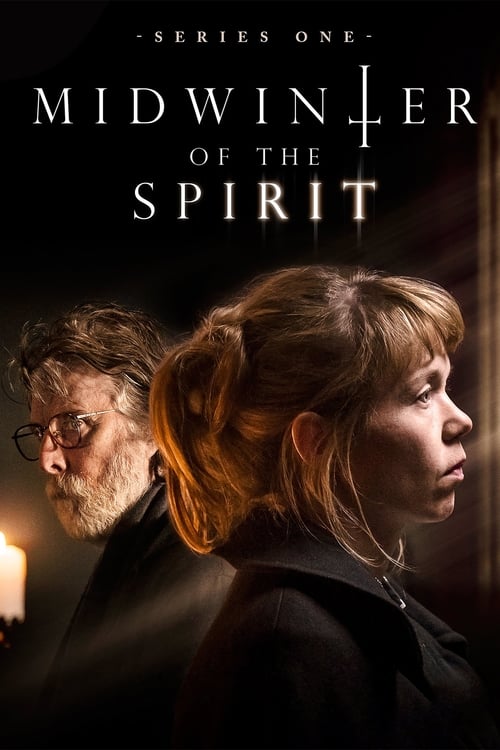
In the small town of Hereford, England, the story begins with a sense of unease as the local community grapples with a series of mysterious events. The protagonist, a middle-aged priest named Merrily Watkins, is introduced as she prepares for a funeral service. Merrily is a single mother, and her daughter, Jane, is a teenager who is struggling with her own issues, including a rebellious streak and a desire for independence. Merrily's role as a priest is complicated by her responsibilities as a mother, and she often feels the weight of both roles pressing down on her.
During the funeral, Merrily encounters a group of local residents who are visibly disturbed by recent occurrences in the area, including strange happenings and a sense of foreboding. After the service, she is approached by a fellow priest, who expresses concern about the growing influence of dark forces in the community. This conversation sets the stage for Merrily's internal conflict as she grapples with her faith and the supernatural elements that seem to be encroaching on her life.
As the story progresses, Merrily is called to investigate a series of bizarre incidents linked to a local school. A student has been found dead under suspicious circumstances, and the school is rife with rumors of witchcraft and dark rituals. Merrily's investigation leads her to uncover a hidden world of occult practices among the students, which deeply unsettles her. She begins to feel the pressure of her role as a spiritual leader, as she must confront the reality of evil in her community.
Merrily's relationship with her daughter Jane becomes strained as Jane becomes increasingly involved with a group of friends who are drawn to the darker aspects of the occult. Jane's rebellion manifests in her exploration of these themes, which worries Merrily. The tension between mother and daughter escalates as Merrily tries to protect Jane from the dangers she perceives in her new friendships.
As Merrily delves deeper into the investigation, she encounters a local historian, who provides her with insights into the town's dark past. He reveals that the area has a history of witch trials and that the current events may be linked to this legacy. This revelation heightens Merrily's sense of urgency as she realizes that the past is not easily buried and that it may be influencing the present.
The plot thickens when Merrily discovers that a powerful figure in the community, a charismatic leader, is manipulating the fears of the townspeople for his own gain. This leader is revealed to have a connection to the occult practices that have been resurfacing, and Merrily must navigate the treacherous waters of local politics and community dynamics to expose the truth. Her determination to confront this figure puts her at odds with some members of the community who are unwilling to accept the reality of the situation.
As the climax approaches, Merrily faces a series of escalating threats. She receives ominous warnings and experiences unsettling visions that challenge her faith and resolve. The tension culminates in a confrontation at a local gathering where the community is drawn together to address the growing fears. Merrily stands up to the charismatic leader, exposing his manipulations and the dark forces at play. This confrontation is fraught with emotion, as Merrily must summon all her courage to speak out against the tide of fear and superstition.
In the aftermath of the confrontation, the community begins to grapple with the revelations brought to light by Merrily. However, the resolution is not straightforward, as the lingering effects of the dark events continue to haunt both Merrily and Jane. The relationship between mother and daughter remains strained, but there is a glimmer of hope as they begin to understand each other better.
The final scenes depict Merrily reflecting on her journey, the challenges she has faced, and the ongoing struggle between light and darkness in her life and the lives of those around her. The story closes with a sense of unresolved tension, suggesting that while some battles may have been won, the fight against the darkness is far from over.







What is the ending?
In the ending of "Midwinter of the Spirit," the protagonist, Merrily Watkins, confronts the dark forces threatening her community and her own life. After a series of harrowing events, she faces the ultimate challenge of her faith and her role as a priest. The climax reveals the true nature of the evil she has been battling, leading to a resolution that tests her strength and beliefs.
As the story unfolds, Merrily Watkins, a priest and a spiritual advisor, finds herself embroiled in a conflict that pits her against malevolent forces. The tension escalates as she investigates a series of mysterious deaths linked to a local cult. Throughout the series, Merrily grapples with her responsibilities as a mother to her daughter, Jane, and her duties as a priest, which often clash with the supernatural elements she encounters.
In the final scenes, Merrily is drawn into a confrontation with the cult leader, who embodies the dark forces she has been fighting against. The atmosphere is thick with tension as she enters the abandoned church, a place that has become a focal point for the cult's activities. The setting is dimly lit, with shadows dancing across the walls, creating an eerie ambiance that heightens the stakes of the confrontation.
Merrily's internal struggle is palpable as she faces the cult leader, who taunts her with her fears and doubts. The dialogue is charged with emotion, revealing Merrily's vulnerability and her determination to protect her community and her daughter. As the confrontation escalates, Merrily draws on her faith and the strength she has cultivated throughout her journey.
In a climactic moment, she performs a ritual that symbolizes her rejection of the darkness and her commitment to her beliefs. The air crackles with energy as she invokes her spiritual authority, and the cult leader's power begins to wane. The scene is intense, filled with a sense of urgency as Merrily fights not just for her life, but for the souls of those around her.
As the dust settles, the cult is dismantled, and the threat to Merrily and her community is neutralized. However, the victory comes at a cost. Merrily is left emotionally and physically drained, but she emerges with a renewed sense of purpose. The final moments show her reconciling with her daughter, Jane, who has been a source of both worry and strength throughout the series. Their relationship is mended, symbolizing hope and resilience in the face of adversity.
The fate of the main characters is as follows: Merrily Watkins, having faced her fears and the darkness, finds a new strength in her role as a priest. Jane, having witnessed her mother's bravery, gains a deeper understanding of her mother's struggles and the complexities of faith. The cult leader, representing the dark forces, is defeated, but the lingering effects of the conflict leave a mark on Merrily and her community, suggesting that the battle between light and darkness is an ongoing struggle.
In the closing scenes, Merrily stands in the light of a new day, a symbol of hope and renewal, ready to face whatever challenges lie ahead, embodying the series' themes of faith, resilience, and the enduring fight against evil.
Is there a post-credit scene?
In "Midwinter of the Spirit," there is no post-credit scene following the episodes. The series concludes without any additional scenes or content after the credits roll. The focus remains on the narrative and character arcs presented throughout the episodes, particularly the struggles of the protagonist, Merrily Watkins, as she navigates her role as a priest and her encounters with the supernatural. The absence of a post-credit scene allows the story to end on a more definitive note, emphasizing the themes of faith, fear, and the complexities of human emotion in the face of dark forces.
What is the significance of the character Merrily Watkins in the story?
Merrily Watkins is a central character, serving as a parish priest and an exorcist. Her journey throughout the series explores her struggles with the supernatural elements she encounters, her role as a woman in a male-dominated church, and her personal challenges, including her relationship with her daughter and her own faith.
How does Merrily's relationship with her daughter Jane evolve throughout the series?
Merrily's relationship with Jane is strained due to the pressures of Merrily's work and the supernatural events surrounding them. Jane feels neglected and struggles with her own identity, leading to tension between them. As the series progresses, they confront their issues, revealing deeper emotional connections and the impact of Merrily's responsibilities on their bond.
What role does the character of the Bishop play in Merrily's journey?
The Bishop serves as a figure of authority and conflict for Merrily. He represents the institutional church's skepticism towards her work as an exorcist and often challenges her decisions. His interactions with Merrily highlight her struggles for acceptance and validation within the church, as well as the broader themes of faith and doubt.
What supernatural elements does Merrily encounter, and how do they affect her?
Merrily encounters various supernatural phenomena, including hauntings and demonic presences, which test her faith and resolve. These encounters not only challenge her beliefs but also force her to confront her own fears and insecurities. The supernatural elements serve as catalysts for her character development, pushing her to grow stronger and more confident in her role.
How does the setting of Herefordshire influence the story and characters?
The rural setting of Herefordshire plays a crucial role in the atmosphere of the series. Its ancient landscapes, historical churches, and local folklore create a haunting backdrop that enhances the supernatural elements of the plot. The isolation of the countryside also reflects Merrily's internal struggles and the challenges she faces as she navigates her dual roles as a priest and an exorcist.
Is this family friendly?
"Midwinter of the Spirit" is a supernatural drama that contains several elements that may not be suitable for children or sensitive viewers. Here are some potentially objectionable or upsetting aspects:
-
Themes of Death and Grief: The show deals with themes of mortality, loss, and the emotional turmoil that accompanies these experiences, which may be distressing for younger viewers.
-
Supernatural Elements: The presence of witchcraft, possession, and dark spiritual themes can be unsettling, particularly for those who are sensitive to horror or supernatural content.
-
Violence and Threats: There are scenes that depict violence or threats of violence, which may be disturbing. This includes confrontations that can be intense and emotionally charged.
-
Emotional Turmoil: Characters experience significant emotional distress, including fear, anxiety, and moral dilemmas, which may be heavy for younger audiences to process.
-
Religious Undertones: The show explores complex religious themes and conflicts, which might be confusing or uncomfortable for some viewers, especially children.
Overall, while the series has a compelling narrative, its darker themes and emotional weight may not be appropriate for all audiences, particularly younger children.









