




Popular
What specific events lead to the climax of the series?
What challenges do Anne and Anders face when they return to their roots?
How does Anne's character evolve throughout the series?
What role does the rural setting play in the development of the story?
How do Anne and Anders' relationships with their families impact their journey?
Should I watch it?
Ask Your Own Question

What is the plot?
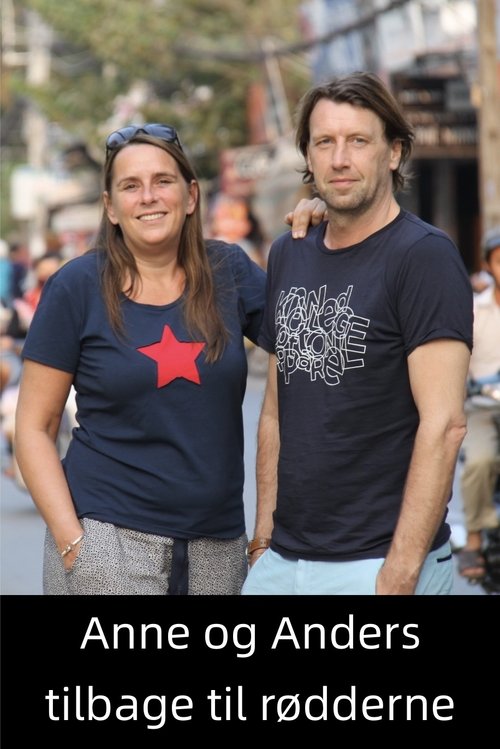
In the beginning of "Anne og Anders tilbage til rødderne," we are introduced to Anne and Anders, a couple who have been living in the city and are feeling disconnected from their roots. They decide to take a trip back to Anders' childhood home in the countryside, hoping to rekindle their relationship and reconnect with their past. The journey begins with a sense of excitement and nostalgia as they drive through the picturesque landscapes, reminiscing about their childhoods.
Upon arriving at the old family farmhouse, they are greeted by the rustic charm of the place, but also by the overwhelming sense of abandonment. The house is in disrepair, and the memories of Anders' family weigh heavily on him. As they explore the house, they find old photographs and mementos that spark conversations about their families and the lives they left behind. This exploration brings up feelings of longing and regret for both characters, as they reflect on their choices and the paths they have taken.
As the days pass, Anne and Anders begin to engage in various activities that connect them to the land and their heritage. They start working on the farm, planting vegetables and repairing the house. These tasks are physically demanding but also serve as a metaphor for their relationship; they must put in effort to cultivate their love and address the issues that have arisen over time. During this period, they experience moments of joy and frustration, leading to deeper conversations about their future together.
One evening, while sitting around a campfire, they share their dreams and fears. Anders reveals his desire to return to the countryside permanently, feeling a strong pull to his roots. Anne, however, is hesitant, fearing that a move would mean giving up her career and the life they have built in the city. This conversation leads to tension between them, as they struggle to find common ground. The emotional stakes rise as they confront their differing visions for the future.
The following day, they decide to visit a local festival that celebrates the community's heritage. The vibrant atmosphere and the warmth of the townspeople provide a temporary escape from their troubles. They participate in traditional games and enjoy local food, which brings back fond memories for Anders. However, the joy is short-lived as they encounter an old friend of Anders who questions their commitment to each other. This encounter forces them to confront their insecurities and the reality of their relationship.
As the festival ends, Anne and Anders have a heated argument about their future. Anne feels overwhelmed by the pressure to make a decision about moving, while Anders feels misunderstood and unsupported. This confrontation leads to a pivotal moment where they both realize that they need to communicate more openly about their feelings. They agree to take some time apart to reflect on what they truly want.
During their separation, Anne spends time exploring the local area, meeting new people, and gaining a deeper appreciation for the countryside. She begins to understand Anders' connection to the land and starts to question her own priorities. Meanwhile, Anders immerses himself in the farm work, finding solace in the routine and the memories of his family. He grapples with the idea of leaving the city behind and what that would mean for his relationship with Anne.
After a few days apart, they reunite at the farmhouse. The atmosphere is tense but charged with anticipation. They sit down to talk, and this time, the conversation is more constructive. They share their realizations and fears, and both express a willingness to compromise. Anne acknowledges the importance of Anders' roots, while Anders recognizes Anne's need for stability and career fulfillment.
In a climactic moment, they decide to take a leap of faith together. They agree to split their time between the city and the countryside, allowing both of their dreams to coexist. This decision symbolizes their commitment to each other and their willingness to grow together. They embrace, feeling a renewed sense of hope and connection.
The story concludes with Anne and Anders working together on the farm, planting seeds for both their crops and their future. The final scenes depict them laughing and enjoying each other's company, surrounded by the beauty of the countryside. The journey back to their roots has not only strengthened their relationship but has also allowed them to forge a new path that honors both their pasts and their aspirations.









What is the ending?
In the ending of "Anne og Anders tilbage til rødderne," Anne and Anders confront their past and the choices they have made. They find a sense of closure and understanding, ultimately deciding to embrace their roots and the life they have built together. The film concludes with a sense of hope and renewal as they look forward to the future.
As the final scenes unfold, the atmosphere is charged with emotion. The sun begins to set, casting a warm golden hue over the landscape, symbolizing the end of one chapter and the beginning of another. Anne and Anders stand together, reflecting on their journey. They have faced numerous challenges, but through their struggles, they have grown closer and more resilient.
In a pivotal moment, they visit the old family home, a place filled with memories both good and bad. The camera lingers on the weathered walls, capturing the essence of their shared history. Anne touches the doorframe, her fingers tracing the grooves, as memories flood back. She feels a mix of nostalgia and sorrow, but also a sense of acceptance. Anders stands beside her, his expression contemplative. He understands the weight of their past and the importance of moving forward.
As they walk through the familiar rooms, they share stories and laughter, rekindling the bond that had been strained. The dialogue is heartfelt, revealing their vulnerabilities and the lessons they have learned. They acknowledge their mistakes but also celebrate their growth. This moment of connection is pivotal, as it signifies their commitment to each other and their shared future.
The final scene shifts to a picturesque view of the countryside, where Anne and Anders stand hand in hand, looking out over the horizon. The camera captures their silhouettes against the vibrant sky, symbolizing hope and new beginnings. They exchange a knowing glance, filled with love and determination. The film closes with a sense of optimism, leaving the audience with the impression that they are ready to face whatever comes next, together.
In summary, Anne and Anders find closure in their relationship, embrace their roots, and look forward to a hopeful future, having learned from their past experiences.
Is there a post-credit scene?
In the TV show "Anne og Anders tilbage til rødderne," there is indeed a post-credit scene that adds a whimsical touch to the narrative. After the main credits roll, viewers are treated to a light-hearted moment that encapsulates the essence of the series.
The scene opens with Anne and Anders sitting together on a rustic wooden bench in a sun-drenched garden, surrounded by blooming flowers and the gentle hum of nature. They are both laughing, clearly enjoying each other's company after the tumultuous events of the series. The camera captures their relaxed demeanor, with Anne playfully nudging Anders as they reminisce about their adventures.
As the conversation unfolds, Anders suddenly pulls out a small, hand-drawn map from his pocket. He presents it to Anne with a mischievous grin, revealing a new adventure they could embark on together. The map is filled with doodles and notes, showcasing various locations they have yet to explore, each marked with quirky symbols and little hearts.
Anne's eyes light up with excitement, and she leans closer to Anders, her curiosity piqued. The scene conveys a sense of hope and possibility, emphasizing their bond and the idea that their journey is far from over. The camera slowly zooms out, capturing the idyllic setting and the warmth of their connection, before fading to black.
This post-credit scene serves as a delightful reminder of the themes of friendship, adventure, and the importance of returning to one's roots, leaving viewers with a sense of joy and anticipation for what lies ahead for Anne and Anders.
What specific events lead to the climax of the series?
The climax of the series is reached through a series of pivotal events that escalate the tension between Anne and Anders. Key moments include a confrontation with a family member that forces Anne to face her fears, a community event that tests their acceptance, and a personal crisis that threatens to unravel their relationship. These events culminate in a dramatic realization for both characters, leading to a turning point in their journey.
What challenges do Anne and Anders face when they return to their roots?
Upon returning to their roots, Anne and Anders encounter a series of challenges that test their relationship and personal growth. They face the emotional weight of their past, including unresolved family issues and the struggle to reconnect with their heritage. The rural setting presents practical challenges, such as adapting to a simpler lifestyle and dealing with the local community's skepticism about their intentions.
How does Anne's character evolve throughout the series?
Anne's character evolves significantly as she confronts her past and embraces her identity. Initially portrayed as somewhat lost and disconnected, her journey back to her roots forces her to confront her family's history and her own insecurities. As she navigates the complexities of her relationships and the challenges of rural life, she grows more confident and self-assured, ultimately finding a sense of belonging.
What role does the rural setting play in the development of the story?
The rural setting serves as a crucial backdrop for the story, symbolizing both a return to simplicity and a confrontation with the characters' pasts. The picturesque landscapes contrast with the emotional turmoil Anne and Anders experience, highlighting their internal struggles. The community's traditions and values challenge the couple to adapt and reflect on their own lives, ultimately shaping their journey of self-discovery.
How do Anne and Anders' relationships with their families impact their journey?
Anne and Anders' relationships with their families are central to their journey. Anne grapples with her family's expectations and the weight of their legacy, while Anders faces his own familial pressures. These dynamics create tension and conflict, pushing them to confront their pasts and redefine their identities. Their interactions with family members often evoke deep emotional responses, revealing vulnerabilities and driving their character development.
Is this family friendly?
"Anne og Anders tilbage til rødderne" is generally considered family-friendly, but it does contain some themes and scenes that may be sensitive for younger viewers or those who are particularly sensitive. Here are a few aspects to consider:
-
Emotional Struggles: The characters experience moments of sadness and conflict, which may evoke strong emotions. This includes themes of loss and the challenges of family dynamics.
-
Family Conflict: There are scenes that depict disagreements and misunderstandings between family members, which could be upsetting for children who are sensitive to conflict.
-
Cultural and Historical Context: The show touches on themes related to heritage and identity, which may include discussions or depictions of past hardships that could be difficult for some viewers to process.
-
Mature Themes: While not graphic, there are underlying themes of personal growth and the complexities of adult relationships that may be more suitable for older children or teens.
Overall, while the show is designed for a family audience, parents may want to watch it first or discuss its themes with younger viewers to ensure it aligns with their comfort levels.