



















Popular
What is the name of the main character in The Nutty Professor?
What transformation does Sherman Klump undergo in the movie?
Who is the love interest of Sherman Klump in the film?
What is the main conflict that Sherman faces regarding his alter ego, Buddy Love?
How does Sherman's family react to his transformation into Buddy Love?
Should I watch it?
Ask Your Own Question

What is the plot?
Sorry, we aren't able to watch and write up a full detailed plot yet. Check back in a few days.

What is the ending?
In the ending of "The Nutty Professor," Sherman Klump, after a series of comedic and heartfelt events, ultimately embraces his true self. He decides to reject the persona of Buddy Love, the alter ego he created through a potion, and instead focuses on being the kind and loving person he is. He reconciles with his love interest, Carla, and they share a moment of connection. The film concludes with Sherman feeling confident and accepted for who he is, surrounded by his supportive family.
Now, let's delve into the ending in a more detailed, chronological narrative.
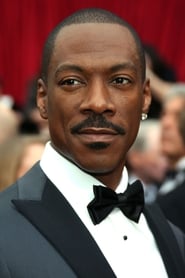
As the climax of the film unfolds, Sherman Klump, played by Eddie Murphy, finds himself in a precarious situation at the university where he works. The annual science presentation is about to take place, and he is set to unveil his groundbreaking weight-loss formula. However, the potion he created has transformed him into the brash and arrogant Buddy Love, a character that embodies everything Sherman is not. The audience is filled with anticipation, but Sherman is conflicted, feeling the pull between his true self and the confident persona of Buddy.
In a pivotal moment, Buddy Love takes over during the presentation, charming the audience with his flamboyant personality. However, as the presentation progresses, Buddy's arrogance begins to alienate those around him, including Carla Purty, played by Jada Pinkett Smith, who is initially drawn to Buddy's confidence but soon realizes the superficiality of his character. The tension escalates when Buddy's behavior becomes increasingly reckless, leading to a chaotic scene that culminates in a disastrous demonstration of the weight-loss formula.
Realizing the damage Buddy is causing, Sherman fights to regain control. In a moment of desperation, he confronts his alter ego, leading to a dramatic internal struggle. The scene is filled with visual intensity as Sherman battles against the overwhelming confidence of Buddy, showcasing his vulnerability and desire to be accepted for who he truly is. The struggle is not just physical but deeply emotional, as Sherman grapples with his self-worth and the fear of rejection.
In a climactic moment, Sherman manages to reclaim his identity, rejecting Buddy Love once and for all. He stands before the audience, stripped of the bravado that Buddy represented, and speaks from the heart. He shares his journey of self-acceptance, revealing his insecurities and the importance of being true to oneself. The audience, initially captivated by Buddy, begins to empathize with Sherman, recognizing the strength it takes to embrace one's true self.
As the scene shifts, we see Carla, who has been watching the transformation unfold, moved by Sherman's honesty. She approaches him, and in a tender moment, they share a connection that transcends the superficiality of appearances. Carla expresses her admiration for Sherman's courage, and they share a kiss, symbolizing the acceptance of each other's true selves.
The film concludes with a heartwarming family gathering at the Klump household. Sherman is surrounded by his loving family, who have always supported him. The atmosphere is filled with laughter and warmth, contrasting sharply with the earlier scenes of isolation and insecurity. Sherman's father, played by Eddie Murphy as well, offers words of encouragement, reinforcing the theme of familial love and acceptance.
In the final moments, Sherman reflects on his journey, feeling liberated from the constraints of his insecurities. He has learned to embrace who he is, and the film closes on a hopeful note, with Sherman and Carla looking forward to a future together, grounded in authenticity and love. The fate of each character is one of growth and acceptance, with Sherman finally at peace with himself, Carla choosing to be with the real Sherman, and the Klump family united in their support for one another.
Is there a post-credit scene?
In the 1996 film "The Nutty Professor," there is no post-credit scene. The movie concludes with a heartfelt resolution as Professor Sherman Klump, played by Eddie Murphy, embraces his true self and finds love with Carla Purty, portrayed by Jada Pinkett. The film wraps up with a celebratory atmosphere, focusing on the positive changes in Sherman's life and his acceptance of who he is, leaving no additional scenes or content after the credits.
What is the name of the main character in The Nutty Professor?
The main character in The Nutty Professor is Sherman Klump, a kind-hearted but overweight professor who struggles with his self-image.
What transformation does Sherman Klump undergo in the movie?
Sherman Klump undergoes a transformation after taking a potion he created, which turns him into a slim, confident alter ego named Buddy Love.
Who is the love interest of Sherman Klump in the film?
Sherman Klump's love interest in the film is Carla Purty, a beautiful and kind woman who works at the university.
What is the main conflict that Sherman faces regarding his alter ego, Buddy Love?
The main conflict Sherman faces is the struggle between his kind-hearted nature and the arrogant, self-centered personality of Buddy Love, which begins to take over his life.
How does Sherman's family react to his transformation into Buddy Love?
Sherman's family is initially supportive but becomes concerned as Buddy Love's personality starts to overshadow Sherman's true self, leading to tension and conflict within the family.
Is this family friendly?
The Nutty Professor (1996) is generally considered a family-friendly film, but it does contain some scenes and themes that may be objectionable or upsetting for children or sensitive viewers. Here are a few aspects to consider:
-
Body Image and Self-Esteem Issues: The film explores themes of obesity and self-acceptance, which may resonate differently with children and could lead to discussions about body image.
-
Physical Comedy and Slapstick Humor: There are several scenes involving physical comedy that may be intense or exaggerated, including moments of embarrassment and humiliation for the main character, Sherman Klump.
-
Romantic Themes: The film includes romantic elements, including flirtation and dating, which may be awkward for younger viewers.
-
Mature Humor: Some jokes and humor may be more suitable for older audiences, including innuendos and references that might go over the heads of younger children but could be uncomfortable for some parents.
-
Family Dynamics: There are scenes depicting family interactions that may include arguments or misunderstandings, which could be upsetting for sensitive viewers.
-
Transformation Scenes: The transformation of Sherman into Buddy Love involves a dramatic change in personality and physical appearance, which may be unsettling for some viewers.
While the film is comedic and light-hearted overall, these elements may warrant parental guidance for younger audiences.