















Popular
What is the significance of the family heritage theme in Wallander: The Heritage?
How does Wallander's relationship with his father affect his investigation?
What role does the character of Linda play in Wallander's journey?
What are the key motivations behind the actions of the antagonist in the film?
How does the setting of Ystad contribute to the atmosphere of the film?
Should I watch it?
Ask Your Own Question

What is the plot?
Sorry, we aren't able to watch and write up a full detailed plot yet. Check back in a few days.
More Movies Like This
Browse All Movies →




What is the ending?
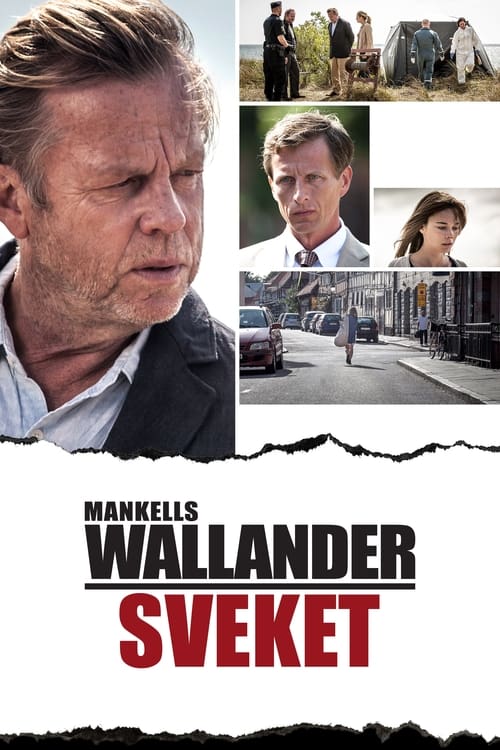
In the ending of "Wallander: The Heritage," Kurt Wallander confronts the truth about his father's past and the impact it has on his own life. The film concludes with Wallander coming to terms with his family's legacy, while also facing the emotional toll of the case he has been investigating.
As the film approaches its climax, Wallander is deeply immersed in the investigation surrounding a series of murders linked to a dark family secret. The tension escalates as he uncovers the connection between the victims and his own father, revealing a hidden history that has haunted him. Wallander's emotional state is fraught with conflict; he grapples with feelings of betrayal and sorrow as he learns more about his father's actions during World War II.
In the final scenes, Wallander confronts the reality of his father's choices, which were driven by fear and survival during a tumultuous time. This confrontation is not just about the past but also about Wallander's own identity and the legacy he wishes to carry forward. The film closes with Wallander reflecting on his father's life, the weight of their shared history, and the impact it has on his own moral compass.
As the screen fades to black, Wallander is left with a sense of unresolved pain but also a determination to move forward, suggesting a complex relationship with his heritage and the choices he must make as he continues his work as a detective.
As the film nears its conclusion, the atmosphere is thick with tension and unresolved emotions. Wallander, portrayed with a deep sense of introspection, stands in his office, surrounded by files and photographs that detail the gruesome murders he has been investigating. The weight of the case bears down on him, not just because of the brutality of the crimes, but because of the personal connection he has uncovered.
Scene by scene, the narrative unfolds. Wallander receives a call that leads him to a secluded location where the latest victim has been discovered. The scene is grim; the body lies in a clearing, surrounded by the remnants of a life cut short. As he examines the scene, his mind races with thoughts of his father, whose past actions during the war are now intertwined with the case. The camera captures Wallander's furrowed brow and clenched jaw, revealing his internal struggle as he grapples with the implications of his father's legacy.
In the following scene, Wallander visits his father, who is now elderly and frail. The conversation is fraught with tension as Wallander demands answers about the past. His father, played with a mix of regret and defiance, reveals the choices he made during the war--choices that were born out of desperation and fear. The emotional weight of this revelation hangs heavy in the air, as Wallander's heart aches with the realization that his father's actions were not just mistakes, but decisions that have cast a long shadow over their family.
The climax builds as Wallander confronts the final pieces of the puzzle. He discovers that the murders are not random but are linked to a group of individuals who were involved in the same dark history as his father. The revelation strikes Wallander like a thunderbolt; he realizes that the sins of the past are not easily buried and that they continue to affect the present. The scene is charged with urgency as he races against time to prevent further violence, his determination fueled by a desire to break the cycle of pain that has plagued his family.
In the penultimate scene, Wallander faces the antagonist, a figure who embodies the darkness of the past. The confrontation is intense, filled with raw emotion as Wallander fights not just for justice, but for his own peace of mind. The struggle is physical and psychological, as Wallander battles the ghosts of his father's choices while trying to protect the innocent. The cinematography captures the chaos of the moment, with quick cuts and close-ups that emphasize Wallander's desperation and resolve.
Finally, as the dust settles, Wallander stands alone, reflecting on the aftermath of the confrontation. The camera lingers on his face, etched with lines of worry and contemplation. He understands that while he has brought some closure to the case, the legacy of his father's actions will always be a part of him. The film closes with Wallander walking away from the scene, a solitary figure against the backdrop of a fading sunset, symbolizing both the weight of his heritage and the hope for a new beginning.
In the end, Wallander's father is left to grapple with the consequences of his past, while Wallander himself is determined to forge his own path, one that acknowledges the pain of history but also seeks to create a future free from its shadows. The film leaves viewers with a poignant sense of the complexities of family, legacy, and the enduring impact of choices made long ago.
Is there a post-credit scene?
In "Wallander: The Heritage," there is no post-credit scene. The film concludes without any additional scenes after the credits roll. The story wraps up with a focus on the emotional and psychological aftermath of the events that transpired, leaving the audience to reflect on the themes of loss, legacy, and the impact of the past on the present. The absence of a post-credit scene emphasizes the weight of the narrative and the unresolved feelings of the characters, particularly Wallander himself, as he grapples with the implications of the case he has just solved.
What is the significance of the family heritage theme in Wallander: The Heritage?
The theme of family heritage is central to the plot, as it explores the impact of past generations on the present. Wallander grapples with his own family history, particularly the legacy of his father, which influences his understanding of identity and duty. This theme is reflected in the investigation of a murder that uncovers deep-seated family secrets and the consequences of unresolved issues.
How does Wallander's relationship with his father affect his investigation?
Wallander's relationship with his father is strained and complex, filled with unresolved emotions. As he investigates the murder, he is forced to confront his father's past and the choices that shaped their relationship. This personal conflict adds depth to Wallander's character, as he seeks to understand not only the case at hand but also his own identity in relation to his father's legacy.
What role does the character of Linda play in Wallander's journey?
Linda, Wallander's daughter, serves as a crucial emotional anchor for him throughout the film. Her presence highlights Wallander's struggles with fatherhood and the desire to protect his family from the darkness he encounters in his work. Their relationship is tested as Wallander's investigation leads him to confront dangerous truths, forcing him to balance his professional duties with his responsibilities as a father.
What are the key motivations behind the actions of the antagonist in the film?
The antagonist's motivations are deeply rooted in a desire for revenge and the need to protect a family legacy. As the plot unfolds, it becomes clear that their actions are driven by a traumatic past and a belief that they are avenging wrongs done to their family. This complexity adds layers to the character, making them more than just a villain, but rather a product of their circumstances.
How does the setting of Ystad contribute to the atmosphere of the film?
The setting of Ystad plays a significant role in establishing the film's atmosphere. The picturesque yet somber landscape reflects Wallander's internal struggles and the weight of the mysteries he faces. The contrast between the serene environment and the dark events of the murder investigation creates a palpable tension, enhancing the emotional stakes and the sense of isolation that Wallander experiences as he delves deeper into the case.
Is this family friendly?
"Wallander: The Heritage" is a crime drama that contains several elements that may not be suitable for children or sensitive viewers. Here are some potentially objectionable aspects:
-
Violence: The film includes scenes of crime and violence, which may be graphic and unsettling. There are depictions of murder and the aftermath of violent acts.
-
Death and Grief: Themes of loss and mourning are prevalent, as characters deal with the emotional fallout from tragic events. This can be heavy and distressing for younger audiences.
-
Mature Themes: The narrative explores complex themes such as betrayal, family secrets, and moral ambiguity, which may be difficult for children to understand.
-
Emotional Turmoil: Characters experience significant emotional struggles, including despair and anger, which may be intense and upsetting.
-
Crime Investigation: The film involves police investigations that may include disturbing details about the crimes being solved.
Overall, the film's tone and content are more suited for mature audiences, and parental discretion is advised for younger viewers.






