









Popular
Who is the main character in Questo mondo è per te and what drives their actions throughout the film?
What is the significance of the relationship between Marco and his father?
How does Marco's relationship with the female lead, Giulia, evolve throughout the film?
What role does the setting play in shaping the characters' journeys in the film?
What challenges does Marco face in his quest for self-discovery, and how do they impact his character development?
Should I watch it?
Ask Your Own Question

What is the plot?
Sorry, we aren't able to watch and write up a full detailed plot yet. Check back in a few days.







What is the ending?
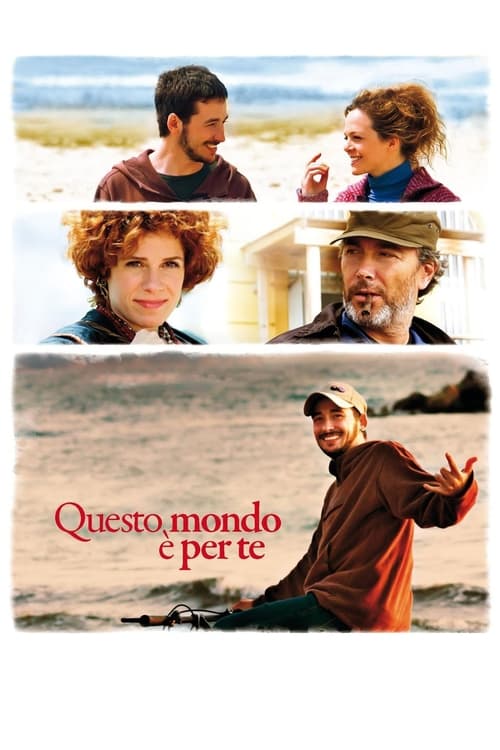
At the end of "Questo mondo è per te," the main character, a young man named Marco, confronts his feelings and the reality of his life choices. He ultimately decides to embrace his true self and pursue a path that aligns with his desires, leading to a sense of liberation. The film concludes with a poignant moment of connection between Marco and his love interest, as they share a hopeful glance, suggesting a new beginning.
In a more detailed narrative of the ending:
As the film approaches its climax, Marco finds himself at a crossroads. The weight of his decisions hangs heavily on him, and he grapples with the expectations placed upon him by his family and society. In a pivotal scene, he stands alone in his room, surrounded by remnants of his past--photos, mementos, and reminders of the life he has been living. The internal conflict is palpable; he feels suffocated by the life he has been leading, one that does not reflect his true self.
In the following scene, Marco meets with his love interest, a vibrant and free-spirited woman named Giulia. They sit on a park bench, the sun casting a warm glow around them. Giulia, sensing Marco's turmoil, gently encourages him to be honest about his feelings. As he opens up, the camera captures the subtle shifts in his expression--fear, vulnerability, and ultimately, a glimmer of hope. This moment is crucial as it marks the turning point for Marco; he realizes that he cannot continue to live a lie.
The next scene unfolds at a family gathering, where the tension is thick. Marco's parents discuss his future, oblivious to his inner struggle. As they speak about expectations and plans, Marco feels increasingly alienated. The contrast between his family's aspirations and his own desires becomes stark. In a moment of courage, he stands up and declares his intention to pursue a different path, one that aligns with who he truly is. The room falls silent, and the shock on his parents' faces is evident. This confrontation is a culmination of Marco's journey, showcasing his growth and determination to break free from societal constraints.
In the final scenes, Marco and Giulia meet again, this time in a more intimate setting. They share a heartfelt conversation about dreams and aspirations, and Marco expresses his desire to live authentically. The emotional weight of their dialogue is underscored by the soft music playing in the background, enhancing the sense of connection between them. As they lean closer, their hands touch, symbolizing a bond that transcends the challenges they face.
The film concludes with a powerful visual: Marco and Giulia walking hand in hand through a sunlit street, their silhouettes framed against the vibrant colors of the setting sun. This imagery encapsulates the essence of hope and new beginnings. Marco's journey has led him to a place of acceptance, not only of himself but also of the love he shares with Giulia. The final shot lingers on their intertwined hands, a testament to the strength found in vulnerability and the courage to embrace one's true self.
In summary, Marco's fate is one of liberation and self-acceptance, while Giulia stands as a supportive figure who encourages him to pursue his dreams. The ending of "Questo mondo è per te" emphasizes the importance of authenticity and the transformative power of love, leaving the audience with a sense of optimism for the characters' future.
Is there a post-credit scene?
In the movie "Questo mondo è per te," there is no post-credit scene. The film concludes its narrative without any additional scenes or content after the credits roll. The story wraps up with a sense of resolution, focusing on the characters' journeys and the themes explored throughout the film. The absence of a post-credit scene allows the audience to reflect on the emotional arcs and the messages conveyed in the main storyline.
Who is the main character in Questo mondo è per te and what drives their actions throughout the film?
The main character in 'Questo mondo è per te' is a young man named Marco. He is driven by a deep desire to escape his mundane life and find a sense of purpose. Throughout the film, Marco struggles with feelings of isolation and disconnection from his family and friends, which propels him to seek out new experiences and relationships.
What is the significance of the relationship between Marco and his father?
The relationship between Marco and his father is central to the narrative. Marco's father represents traditional values and expectations, which clash with Marco's desire for freedom and self-discovery. Their interactions are often tense, filled with unspoken emotions, as Marco seeks approval while simultaneously rebelling against his father's expectations.
How does Marco's relationship with the female lead, Giulia, evolve throughout the film?
Marco's relationship with Giulia begins as a chance encounter that sparks a connection. As they spend more time together, their bond deepens, revealing vulnerabilities and shared dreams. Giulia becomes a catalyst for Marco's transformation, encouraging him to confront his fears and embrace his true self, leading to moments of both joy and conflict.
What role does the setting play in shaping the characters' journeys in the film?
The setting of 'Questo mondo è per te' plays a crucial role in shaping the characters' journeys. The contrasting environments, from the bustling city to serene natural landscapes, reflect Marco's internal struggles and desires. The city symbolizes his chaotic life, while the natural settings provide moments of clarity and introspection, influencing his decisions and relationships.
What challenges does Marco face in his quest for self-discovery, and how do they impact his character development?
Marco faces numerous challenges in his quest for self-discovery, including societal pressures, familial expectations, and his own insecurities. These obstacles force him to confront his identity and desires, leading to significant character development. Each challenge serves as a turning point, pushing him to grow emotionally and ultimately redefine his understanding of happiness and fulfillment.
Is this family friendly?
"Questo mondo è per te" is a film that explores themes of family, love, and personal struggles. While it has a heartfelt narrative, there are elements that may be considered objectionable or upsetting for children or sensitive viewers.
-
Emotional Turmoil: The film delves into complex family dynamics, including themes of abandonment and loss, which may evoke strong emotional responses.
-
Conflict and Tension: There are scenes of conflict between characters that may be intense, showcasing arguments and emotional distress.
-
Depictions of Struggle: The characters face various personal challenges, including financial difficulties and existential crises, which may be heavy for younger audiences.
-
Mature Themes: The film touches on adult themes such as relationships and the impact of past decisions, which may not be fully comprehensible to children.
-
Visuals of Sadness: There are moments that visually depict sadness and despair, which could be upsetting for sensitive viewers.
Overall, while the film carries a message of hope and resilience, its emotional depth and mature themes may not be suitable for all children.








