











Popular
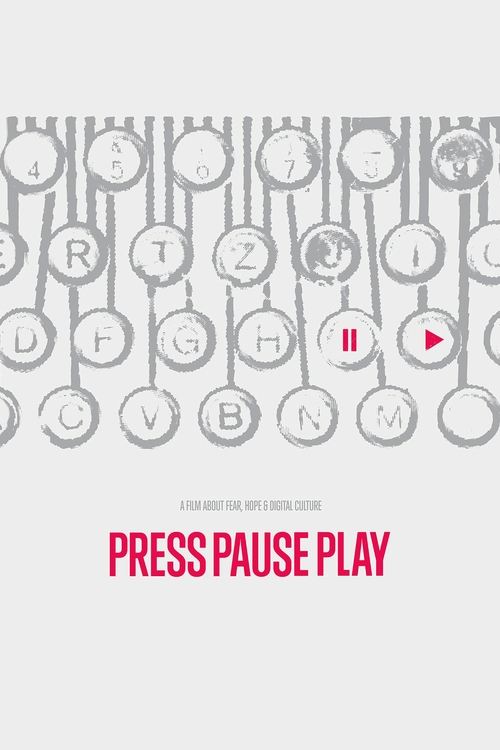
What role does the concept of digital art play in the film PressPausePlay?
How do the filmmakers explore the impact of technology on the music industry in PressPausePlay?
What specific examples of artists or musicians are featured in PressPausePlay, and what are their perspectives?
How does the film address the tension between traditional and digital forms of art?
What emotional responses do the featured artists express regarding their experiences in the digital age?
Should I watch it?
Ask Your Own Question

What is the plot?
Sorry, we aren't able to watch and write up a full detailed plot yet. Check back in a few days.
More Movies Like This
Browse All Movies →






What is the ending?
In the ending of "PressPausePlay," the film culminates in a reflection on the impact of digital technology on art and creativity. The narrative emphasizes the contrasting views of various artists and creators, showcasing their struggles and triumphs in a rapidly changing landscape. The film concludes with a sense of uncertainty about the future of creativity in the digital age.
As the film approaches its conclusion, the narrative shifts to a montage of various artists discussing their experiences in the digital realm. The screen fills with images of vibrant art, music, and film, interspersed with interviews that reveal the emotional weight of their journeys. Each artist shares their perspective on how technology has transformed their craft, both positively and negatively.
One key scene features a musician reflecting on the democratization of music production. He expresses a mix of excitement and trepidation about the ease with which anyone can create and share their work. This sentiment resonates with the overarching theme of the film: the dual-edged sword of accessibility in the digital age.
Another poignant moment occurs when a visual artist discusses the pressure to constantly produce content in order to stay relevant. The artist's frustration is palpable as they articulate the struggle between maintaining artistic integrity and the demands of an audience that craves constant engagement. This scene highlights the emotional toll that the digital landscape can impose on creators.
As the film progresses, the narrative weaves in contrasting viewpoints from various creators, illustrating the spectrum of experiences in the digital world. Some express optimism about the potential for new forms of expression, while others lament the loss of traditional methods and the dilution of artistic value.
The film concludes with a powerful montage that juxtaposes the voices of the artists with images of their work. The screen fills with a cacophony of sounds and visuals, creating a sensory overload that mirrors the chaotic nature of the digital age. The final moments leave viewers with a lingering sense of ambiguity, as the future of creativity remains uncertain.
In the end, the fates of the main characters are left open-ended. The musicians, visual artists, and filmmakers continue to navigate their paths in a world that is both exhilarating and daunting. Their journeys reflect the ongoing struggle to find balance in a rapidly evolving landscape, leaving the audience to ponder the implications of technology on art and the human experience.
Is there a post-credit scene?
The movie "PressPausePlay," produced in 2011, does not contain a post-credit scene. The film concludes without any additional content after the credits roll. The documentary focuses on the impact of digital technology on art and culture, featuring various artists, musicians, and creators discussing their experiences and the changing landscape of creativity in the digital age. The ending emphasizes the themes of accessibility and the democratization of art, leaving viewers to reflect on the implications of these changes without any further narrative or scene following the credits.
What role does the concept of digital art play in the film PressPausePlay?
In PressPausePlay, digital art is portrayed as a transformative force in the creative landscape. The film features various artists and musicians who discuss how technology has democratized art, allowing anyone with a computer to create and share their work. This shift is illustrated through interviews with creators who express both excitement and concern about the implications of digital tools on traditional art forms.
How do the filmmakers explore the impact of technology on the music industry in PressPausePlay?
The filmmakers delve into the music industry's evolution by showcasing interviews with musicians and industry experts who reflect on how technology has changed the way music is produced, distributed, and consumed. They highlight the rise of digital platforms, the decline of traditional record sales, and the challenges artists face in monetizing their work in a digital age.
What specific examples of artists or musicians are featured in PressPausePlay, and what are their perspectives?
PressPausePlay features a variety of artists, including Moby, who discusses the liberation that digital technology provides for musicians, allowing for greater creative freedom. Other artists express concerns about the oversaturation of content and the difficulty of standing out in a crowded digital marketplace, illustrating a spectrum of perspectives on the impact of technology on their craft.
How does the film address the tension between traditional and digital forms of art?
The film presents a nuanced view of the tension between traditional and digital art forms through interviews with artists who have varying opinions. Some celebrate the accessibility and innovation that digital tools bring, while others lament the loss of craftsmanship and the devaluation of art in a world where anyone can create and share. This tension is visually represented through contrasting imagery of traditional art practices and modern digital creations.
What emotional responses do the featured artists express regarding their experiences in the digital age?
The featured artists in PressPausePlay convey a range of emotional responses, from exhilaration at the possibilities offered by digital technology to frustration over the challenges it presents. Some express a sense of empowerment and connection with audiences, while others feel overwhelmed by the pressure to constantly produce content and the fear of being lost in the noise of the digital landscape.
Is this family friendly?
"PressPausePlay," a documentary released in 2011, explores the impact of digital technology on art and culture. While it is primarily an examination of creativity in the digital age, it does contain some themes and discussions that may not be suitable for younger audiences or sensitive viewers.
-
Mature Themes: The film discusses the commercialization of art and the pressures artists face in the digital landscape, which may include references to the struggles of maintaining artistic integrity versus financial success.
-
Candid Interviews: Some interviewees express strong opinions about the state of the art world, which may include frank discussions about failure, disappointment, and the darker sides of creativity.
-
Visual Imagery: There are various artistic expressions showcased, some of which may include provocative or abstract imagery that could be unsettling for younger viewers.
-
Language: There may be instances of strong language or adult themes in the discussions, reflecting the frustrations and realities of artists in the modern world.
Overall, while the film is not overtly graphic or violent, its themes and discussions may be more suitable for older teens and adults rather than young children.







