
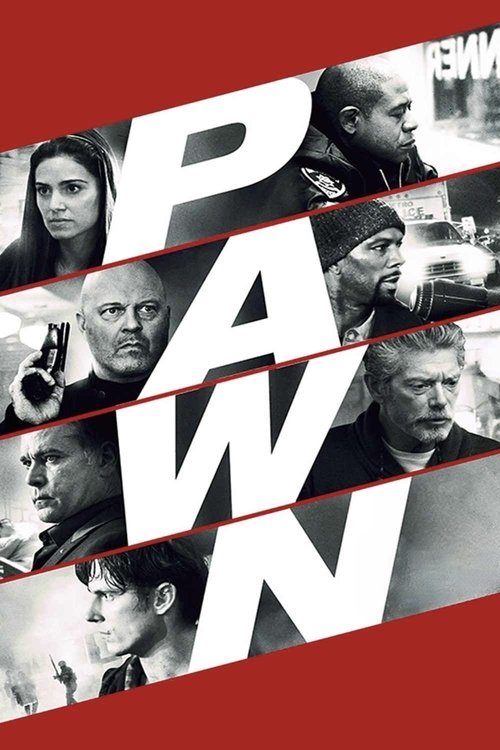


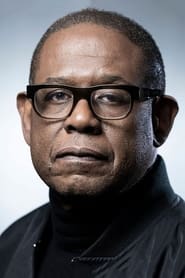
















Popular
What motivates the character of the police officer in Pawn?
How does the character of the pawn shop owner contribute to the plot?
What role does the character of the hostage negotiator play in the story?
How does the character of the main antagonist evolve throughout the film?
What is the significance of the pawn shop setting in the film?
Should I watch it?
Ask Your Own Question

What is the plot?
Sorry, we aren't able to watch and write up a full detailed plot yet. Check back in a few days.


What is the ending?
In the ending of the movie "Pawn," the hostage situation reaches a climax as the police attempt to resolve the standoff. The main characters face their fates, with some finding redemption while others meet tragic ends.
As the tension escalates, the police surround the pawn shop where the hostages are held. The lead negotiator, Detective Lenny, works tirelessly to communicate with the hostage-taker, who is revealed to be a desperate man named Eddie. Eddie's motivations stem from a life of hardship and a desire to protect his family, which adds layers to his character.
In a pivotal moment, Lenny manages to connect with Eddie, appealing to his humanity. This connection leads to a tense negotiation where Eddie ultimately decides to release the hostages, but not without a final confrontation. The police, having been alerted to the situation, storm the pawn shop, leading to a chaotic and violent resolution.
In the aftermath, Lenny reflects on the events, grappling with the emotional weight of the situation. Eddie's fate is sealed as he is shot during the police intervention, leaving behind a complicated legacy of desperation and loss. The other hostages, including a young woman named Angela, are freed but left traumatized by the experience.
The film concludes with Lenny contemplating the fragility of life and the choices that lead individuals down dark paths, emphasizing the human cost of desperation and the impact of violence.
As the final act of "Pawn" unfolds, the atmosphere is thick with tension. The camera pans over the exterior of the pawn shop, where police cars are lined up, their lights flashing in a chaotic rhythm. Inside, Eddie, the hostage-taker, is visibly agitated, pacing back and forth, clutching a weapon tightly. His eyes dart around the room, filled with a mix of fear and determination. The hostages, including Angela, sit huddled together, their faces pale and eyes wide with terror.
Detective Lenny, a seasoned negotiator, arrives on the scene, his demeanor calm yet focused. He steps out of his vehicle, taking a deep breath as he prepares to engage with Eddie. The camera captures the weight of his responsibility, the lives of the hostages resting on his shoulders. Lenny approaches the pawn shop, speaking softly into his radio, coordinating with his team while keeping his eyes on the entrance.
Inside, Eddie's desperation is palpable. He shouts at the hostages, demanding to be heard, his voice cracking under the pressure. Lenny begins to communicate with him through a megaphone, his voice steady and reassuring. "Eddie, I'm here to help you. Let's talk this through." The tension in the air thickens as Eddie hesitates, his grip on the weapon wavering.
As the negotiation progresses, Lenny learns about Eddie's backstory--his struggles, his family, and the events that led him to this moment. The audience sees flashbacks of Eddie's life, revealing a man who has faced insurmountable odds. Lenny's empathy shines through as he shares his own experiences, trying to build a bridge of understanding.
The turning point comes when Eddie, overwhelmed by emotion, begins to lower his weapon. Lenny seizes the moment, urging him to release the hostages. "You can still make this right, Eddie. You have the power to change the outcome." The hostages, sensing a shift, exchange glances filled with hope.
Just as it seems a resolution is within reach, the police outside receive a tip-off about Eddie's violent past. Tensions flare as they prepare to storm the building, believing they have no choice but to intervene. The sound of boots pounding on the pavement echoes ominously, and Eddie's fear spikes once more. In a moment of panic, he raises his weapon again, and chaos erupts.
The police breach the door, and a flurry of gunfire ensues. Lenny, caught in the crossfire, shouts for everyone to stay down. The camera captures the frantic movements of officers and the terrified faces of the hostages. In the chaos, Eddie is shot, collapsing to the ground, his life slipping away as he realizes the tragic outcome of his choices.
As the dust settles, Lenny kneels beside Eddie, who gasps for breath, his eyes filled with regret. "I just wanted to protect them," Eddie whispers, his voice barely audible. Lenny, filled with sorrow, responds, "I know, Eddie. I know." The weight of the moment hangs heavy, a poignant reminder of the consequences of desperation.
The hostages, including Angela, are escorted out, visibly shaken but alive. They cling to one another, tears streaming down their faces as they process the trauma of the ordeal. Lenny watches them, his heart heavy with the knowledge that while they are free, the scars of the experience will linger.
In the final scene, Lenny stands outside the pawn shop, the sun setting in the background, casting a golden hue over the scene. He reflects on the fragility of life and the choices that lead people to such desperate measures. The camera pulls back, revealing the aftermath of the standoff, a haunting reminder of the human cost of violence and the complexities of the human experience. The film closes on Lenny's contemplative expression, leaving the audience to ponder the intricate web of choices that define us all.
Is there a post-credit scene?
The movie "Pawn," produced in 2013, does not have a post-credit scene. The film concludes its narrative without any additional scenes or content after the credits roll. The story wraps up with the resolution of the main plot, focusing on the characters' fates and the consequences of their actions throughout the film.
What motivates the character of the police officer in Pawn?
The police officer, played by Michael Chiklis, is driven by a strong sense of duty and a desire to protect the hostages during the tense standoff. His internal conflict arises from the pressure to resolve the situation peacefully while grappling with the emotional weight of the lives at stake.
How does the character of the pawn shop owner contribute to the plot?
The pawn shop owner, portrayed by Forest Whitaker, serves as a pivotal character whose past decisions and connections intertwine with the unfolding events. His motivations stem from a mix of desperation and a desire to redeem himself, which adds layers to the narrative as his actions directly impact the hostage situation.
What role does the character of the hostage negotiator play in the story?
The hostage negotiator, played by Jessica Szohr, is crucial in attempting to de-escalate the situation. Her character is portrayed as empathetic and resourceful, driven by a need to save the hostages while also dealing with her own personal struggles, which adds depth to her interactions with both the hostages and the perpetrators.
How does the character of the main antagonist evolve throughout the film?
The main antagonist, depicted by Sean Astin, undergoes a significant transformation as the story progresses. Initially portrayed as a desperate criminal, his motivations are revealed to be rooted in a tragic backstory, which complicates the audience's perception of him and adds tension to the narrative as his actions become increasingly unpredictable.
What is the significance of the pawn shop setting in the film?
The pawn shop serves as a microcosm of the characters' lives, representing desperation, survival, and the intertwining of fate. It is within this confined space that the characters confront their pasts and make critical decisions, making the setting integral to the development of the plot and the emotional arcs of the characters.
Is this family friendly?
The movie "Pawn," produced in 2013, is not considered family-friendly due to its mature themes and content. Here are some potentially objectionable or upsetting aspects that may affect children or sensitive viewers:
-
Violence: The film contains scenes of gun violence and physical altercations that may be intense and distressing.
-
Hostage Situation: The central plot revolves around a tense hostage situation, which can create a sense of fear and anxiety.
-
Crime and Criminal Behavior: The narrative involves criminal activities, including robbery and betrayal, which may not be suitable for younger audiences.
-
Emotional Turmoil: Characters experience significant emotional distress, including fear, desperation, and moral dilemmas, which could be upsetting.
-
Language: There is the use of strong language throughout the film, which may not be appropriate for children.
-
Themes of Betrayal and Trust: The exploration of betrayal among characters can be complex and may be difficult for younger viewers to understand.
These elements contribute to a darker tone that may not be suitable for all audiences, particularly children or those sensitive to such themes.







