




Popular
What motivates Tosca to make the choices she does throughout the opera?
How does Scarpia's character influence the events of the story?
What role does Cavaradossi's political stance play in the opera?
How does the setting of Rome contribute to the story's tension?
What is the significance of the final confrontation between Tosca and Scarpia?
Should I watch it?
Ask Your Own Question

What is the plot?
Sorry, we aren't able to watch and write up a full detailed plot yet. Check back in a few days.








What is the ending?
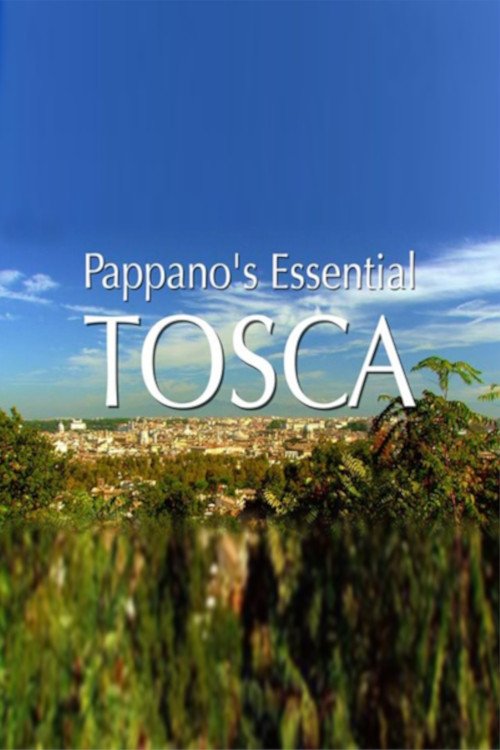
In the ending of "Pappano's Essential Tosca," the opera concludes with the tragic fate of the main characters. Tosca, after a series of harrowing events, is left devastated and ultimately takes her own life. Cavaradossi, her lover, is executed, and Scarpia, the antagonist, meets his demise at Tosca's hands earlier in the story. The opera closes with a sense of despair and loss, encapsulating the themes of love, betrayal, and sacrifice.
As the final act unfolds, the scene is set in the prison where Cavaradossi is held. The atmosphere is heavy with tension and despair. Tosca, having just killed Scarpia in a moment of desperation and rage, is now grappling with the consequences of her actions. She is torn between her love for Cavaradossi and the fear of losing him to the corrupt forces represented by Scarpia.
In the dim light of the prison, Cavaradossi is brought forth, shackled and weary. He is unaware of the fate that has befallen Scarpia, and his love for Tosca shines through despite the grim circumstances. Their reunion is filled with a mix of hope and sorrow. Tosca reveals her plan to save him, explaining that she has secured a way for them to escape. However, the weight of their situation looms heavily over them, and the audience can feel the impending doom.
As they prepare for their escape, the tension escalates. The guards are closing in, and the clock is ticking. Cavaradossi, filled with love and determination, reassures Tosca, but there is an underlying sense of dread. The couple shares a passionate moment, filled with longing and desperation, as they cling to the hope of a future together.
However, their plans are thwarted when the guards arrive, and Cavaradossi is executed before Tosca's eyes. The moment is heart-wrenching, as Tosca's screams of anguish echo through the prison walls. She is left alone, shattered by the loss of her beloved. The emotional weight of the scene is palpable, as Tosca grapples with the reality of her situation.
In a final act of defiance and despair, Tosca confronts the reality of her life without Cavaradossi. She is consumed by grief and the realization that she has lost everything. In a tragic culmination of her journey, she takes her own life, leaping from the battlements of the castle. The scene is haunting, as the audience is left with the image of her falling, symbolizing the ultimate sacrifice made in the name of love.
The opera concludes with a somber silence, leaving the audience to reflect on the tragic fates of Tosca, Cavaradossi, and the corrupting influence of power represented by Scarpia. Each character's journey ends in tragedy, underscoring the themes of love, betrayal, and the devastating consequences of a world filled with cruelty and injustice.
Is there a post-credit scene?
The movie "Pappano's Essential Tosca," produced in 2012, does not feature a post-credit scene. The film focuses on the operatic performance of Puccini's "Tosca," showcasing the powerful music and dramatic storytelling inherent in the opera. The narrative concludes with the final act of the opera, leaving the audience with the emotional weight of the characters' fates without any additional scenes or content after the credits. The emphasis remains on the operatic experience rather than any supplementary material.
What motivates Tosca to make the choices she does throughout the opera?
Tosca is driven by her deep love for Cavaradossi, which fuels her actions and decisions. Her emotional turmoil is evident as she grapples with jealousy, fear of losing him, and the desperation to save him from the clutches of Scarpia. This love leads her to make drastic choices, including her eventual confrontation with Scarpia.
How does Scarpia's character influence the events of the story?
Scarpia is a manipulative and power-hungry chief of police whose desire for Tosca leads him to employ ruthless tactics. His obsession with Tosca and his willingness to use violence to achieve his goals create a tense atmosphere that drives the plot forward, ultimately leading to tragic consequences.
What role does Cavaradossi's political stance play in the opera?
Cavaradossi's commitment to the revolutionary cause and his defiance against the oppressive regime is central to the plot. His political beliefs not only put him at odds with Scarpia but also serve as a catalyst for Tosca's actions, as she seeks to protect him from execution due to his political affiliations.
How does the setting of Rome contribute to the story's tension?
The setting of Rome during a time of political unrest adds a layer of urgency and danger to the narrative. The iconic locations, such as the Church of Sant'Andrea della Valle and the Castel Sant'Angelo, serve as backdrops for pivotal moments, heightening the emotional stakes and illustrating the conflict between personal desires and political turmoil.
What is the significance of the final confrontation between Tosca and Scarpia?
The final confrontation between Tosca and Scarpia is a climactic moment that encapsulates the themes of power, love, and betrayal. Tosca's decision to kill Scarpia is both an act of desperation and a reclaiming of agency, showcasing her transformation from a passive character to one who takes control of her fate, albeit with tragic consequences.
Is this family friendly?
"Pappano's Essential Tosca," produced in 2012, is an adaptation of Giacomo Puccini's opera "Tosca." While the film is a presentation of a classic opera, it contains several themes and scenes that may be considered objectionable or upsetting for children or sensitive viewers.
-
Violence and Death: The opera includes scenes of violence, including a character being executed. The portrayal of death can be intense and may be distressing.
-
Emotional Turmoil: The characters experience profound emotional distress, including jealousy, betrayal, and despair, which may be difficult for younger audiences to understand or process.
-
Themes of Betrayal and Sacrifice: The narrative explores dark themes such as betrayal and the moral dilemmas faced by the characters, which can be heavy and complex.
-
Romantic and Jealousy-Driven Conflict: The relationships in the story are fraught with jealousy and manipulation, which may not be suitable for younger viewers.
-
Historical Context of Oppression: The setting involves political oppression and the consequences of war, which may be unsettling for some viewers.
Overall, while the film is a celebrated artistic work, its themes and content may not be appropriate for all children or sensitive individuals. Viewer discretion is advised.