














Popular
What personal struggles did Bruce Lee face during his life as depicted in the film?
How did Bruce Lee's philosophy influence his martial arts and life?
What role did Bruce Lee's family play in his life and career as shown in the film?
What impact did Bruce Lee have on martial arts and popular culture according to the film?
How did Bruce Lee's training methods differ from traditional martial arts as depicted in the film?
Should I watch it?
Ask Your Own Question

What is the plot?
Sorry, we aren't able to watch and write up a full detailed plot yet. Check back in a few days.








What is the ending?
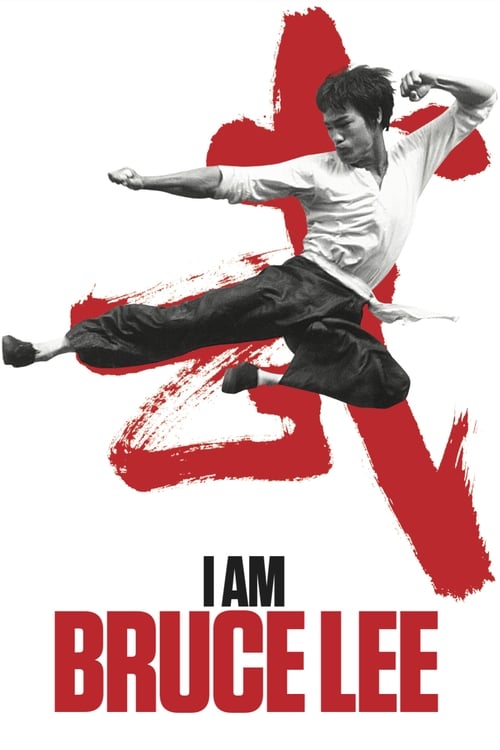
The ending of "I Am Bruce Lee" features a poignant reflection on Bruce Lee's legacy and impact on martial arts and popular culture. The film concludes with various interviews and testimonials from friends, family, and martial artists who discuss how Bruce Lee's philosophy and teachings continue to inspire people around the world, even decades after his untimely death.
As the film progresses towards its conclusion, it intersperses clips of Bruce Lee's iconic fight scenes and training montages, showcasing his unparalleled skill and dedication. The final moments emphasize the enduring nature of his influence, with many expressing how Bruce Lee transcended the boundaries of martial arts to become a global icon. The film closes with a sense of reverence for Bruce Lee, celebrating his life and the indelible mark he left on the world.
In a more detailed narrative, the ending unfolds as follows:
As the documentary approaches its final act, the screen is filled with a montage of Bruce Lee's most memorable moments, both on and off the screen. The visuals are accompanied by a stirring soundtrack that evokes a sense of nostalgia and admiration. Clips of Bruce Lee demonstrating his martial arts prowess, engaging in philosophical discussions, and interacting with fans create a vivid tapestry of his life.
The film transitions to interviews with notable figures in martial arts, including contemporary fighters and instructors who share their personal stories of how Bruce Lee inspired them. One by one, they recount their first encounters with his films, the impact of his teachings, and how they strive to embody his principles in their own lives. The camera captures their emotional expressions, revealing the deep respect and gratitude they hold for Bruce Lee.
Next, the film shifts to Bruce Lee's family members, including his daughter Shannon Lee, who speaks passionately about her father's legacy. She reflects on the challenges of growing up as Bruce Lee's daughter and the responsibility she feels to carry on his teachings. Her voice is filled with pride and a touch of sadness, as she acknowledges the void left by his absence but also the strength she draws from his memory.
The narrative then highlights Bruce Lee's philosophy, emphasizing his belief in self-expression and the importance of martial arts as a means of personal development. The film showcases various martial arts schools around the world that incorporate Bruce Lee's teachings, illustrating how his influence has permeated different cultures and communities.
As the documentary nears its conclusion, the screen fades to black, and a powerful quote from Bruce Lee appears: "I fear not the man who has practiced 10,000 kicks once, but I fear the man who has practiced one kick 10,000 times." This quote encapsulates the essence of Bruce Lee's approach to martial arts and life, underscoring the importance of dedication and mastery.
The final scenes return to the interviews, where martial artists express their commitment to keeping Bruce Lee's spirit alive through their practice. The film ends with a montage of fans around the world, from children practicing martial arts in dojos to adults reflecting on Bruce Lee's impact on their lives. The screen fades to black, leaving viewers with a sense of hope and inspiration, as Bruce Lee's legacy continues to thrive in the hearts and minds of those who seek to follow in his footsteps.
In summary, the ending of "I Am Bruce Lee" serves as a heartfelt tribute to a man whose life and teachings continue to resonate, reminding audiences of the power of perseverance, self-expression, and the universal quest for personal growth.
Is there a post-credit scene?
The movie "I Am Bruce Lee," produced in 2012, does not contain a post-credit scene. The documentary focuses on the life and legacy of Bruce Lee, featuring interviews with family, friends, and martial artists who were influenced by him. It concludes with reflections on his impact on martial arts and popular culture, leaving viewers with a sense of admiration for Lee's enduring influence rather than a narrative continuation or additional scene.
What personal struggles did Bruce Lee face during his life as depicted in the film?
The film explores Bruce Lee's personal struggles, including his challenges with cultural identity as a Chinese-American, his fight against racial discrimination in Hollywood, and his relentless pursuit of martial arts mastery. It highlights his determination to prove himself in a predominantly white film industry and his internal conflict between traditional martial arts and his desire to innovate.
How did Bruce Lee's philosophy influence his martial arts and life?
The documentary delves into Bruce Lee's philosophy, particularly his famous concept of 'being like water.' This philosophy emphasizes adaptability and fluidity, which he applied not only in martial arts but also in his approach to life. The film features interviews with martial artists and friends who discuss how this philosophy shaped his training and interactions with others.
What role did Bruce Lee's family play in his life and career as shown in the film?
The film portrays the significant influence of Bruce Lee's family, particularly his father, who was a Cantonese opera star, and his mother, who encouraged his artistic pursuits. It also touches on his relationship with his wife, Linda Lee, and how her support was crucial during his career struggles and personal challenges.
What impact did Bruce Lee have on martial arts and popular culture according to the film?
The documentary highlights Bruce Lee's revolutionary impact on martial arts, showcasing how he popularized martial arts in the West through his films. It features interviews with various martial artists and actors who discuss how Lee's work inspired a generation and changed the perception of martial arts in cinema, making it more mainstream and respected.
How did Bruce Lee's training methods differ from traditional martial arts as depicted in the film?
The film illustrates Bruce Lee's innovative training methods, which emphasized practicality, efficiency, and realism over traditional forms. It showcases his development of Jeet Kune Do, a martial arts philosophy that encourages practitioners to adopt techniques from various styles, focusing on what works best in real combat situations, rather than adhering strictly to traditional forms.
Is this family friendly?
"I Am Bruce Lee" is a documentary that explores the life and legacy of martial arts icon Bruce Lee. While it is generally suitable for a wide audience, including families, there are a few aspects that might be considered objectionable or upsetting for children or sensitive viewers:
-
Violence and Martial Arts: The film features clips of Bruce Lee's fight scenes from his movies, which include stylized violence. While not graphic, the action may be intense for younger viewers.
-
Discussion of Death: The documentary addresses Bruce Lee's untimely death and includes reflections from family and friends about loss and grief, which may be emotionally heavy for some.
-
Candid Interviews: Some interviewees discuss the challenges and struggles Bruce faced, including racism and personal hardships, which may be difficult topics for younger audiences to fully grasp.
-
Cultural Context: The film delves into the cultural impact of Bruce Lee and the martial arts community, which may include discussions that require a certain level of maturity to understand.
Overall, while the film celebrates Bruce Lee's life and contributions, parents may want to consider these elements when deciding if it is appropriate for their children.