


Popular
How does the character of Lejla evolve throughout the film?
What specific events trigger the turning points for the main characters?
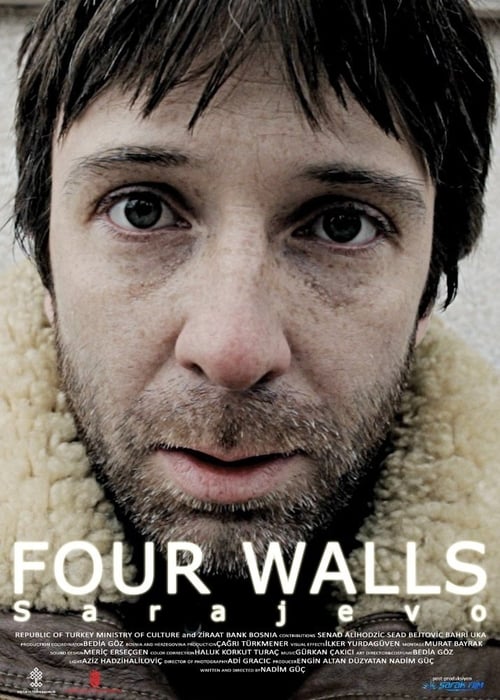
What are the main challenges faced by the characters in Four Walls Sarajevo?
What role does the setting of Sarajevo play in the characters' lives?
How do the relationships between characters develop in the film?
Should I watch it?
Ask Your Own Question

What is the plot?
Sorry, we aren't able to watch and write up a full detailed plot yet. Check back in a few days.




What is the ending?
In the ending of "Four Walls Sarajevo," the characters face the harsh realities of their lives amidst the backdrop of war. The film concludes with a sense of unresolved tension, as the characters grapple with their fates in a city torn apart by conflict.
As the film draws to a close, we see the main characters, each dealing with their own struggles. The protagonist, a young woman named Lejla, is confronted with the loss of her family and the emotional scars left by the war. She stands in the ruins of her home, reflecting on the memories that haunt her. Her friend, a soldier named Dado, is faced with the moral dilemmas of war, questioning his role and the choices he has made. The film ends with a poignant scene where Lejla and Dado share a moment of connection, acknowledging their pain and the uncertainty of their future.
In a more detailed narrative of the ending:
The final scenes unfold in the desolate streets of Sarajevo, where the remnants of war are evident in the crumbling buildings and the echoes of distant gunfire. Lejla, having lost her family to the violence, wanders through the debris of her childhood home. The camera captures her somber expression, the weight of grief etched on her face. She pauses, touching the walls that once held laughter and love, now silent witnesses to her sorrow.
As she stands there, Dado approaches, his uniform stained and weary from the battles he has fought. He carries the burden of his experiences, the memories of comrades lost weighing heavily on his conscience. Their eyes meet, and in that moment, a silent understanding passes between them. They are both survivors in a city that has become a graveyard of dreams.
Dado speaks softly, sharing his own struggles with the violence that surrounds them. He reveals his doubts about the war, the choices he has made, and the lives he has taken. Lejla listens, her heart aching for him, recognizing the shared pain that binds them. They find solace in each other's presence, a fleeting moment of connection amidst the chaos.
As the sun sets, casting a golden hue over the ruins, Lejla and Dado sit together on the steps of what was once her home. The silence is heavy, filled with unspoken words and unresolved emotions. They both know that the future is uncertain, and the scars of war will linger long after the fighting has ceased.
The film concludes with a lingering shot of the two characters, framed against the backdrop of a city struggling to heal. The camera slowly pulls away, leaving them in their moment of shared grief and hope, a testament to the resilience of the human spirit in the face of unimaginable loss. The screen fades to black, leaving the audience to ponder the fates of Lejla and Dado, and the enduring impact of war on their lives.
Is there a post-credit scene?
The movie "Four Walls Sarajevo," produced in 2012, does not contain a post-credit scene. The film concludes its narrative without any additional scenes or content after the credits roll. The focus remains on the emotional and psychological journey of the characters throughout the film, encapsulating their experiences during the tumultuous period of the Bosnian War. The ending leaves viewers with a poignant reflection on the impact of war and the resilience of the human spirit, rather than extending the story further with a post-credit sequence.
How does the character of Lejla evolve throughout the film?
Lejla begins as a hopeful and vibrant young woman, but as the war escalates, her character is forced to confront harsh realities. She transforms from a carefree individual into someone who must make difficult decisions for survival. Her emotional journey reflects the loss of innocence and the struggle to maintain hope in dire circumstances.
What specific events trigger the turning points for the main characters?
Several key events serve as turning points for the main characters. For instance, a sudden attack on their neighborhood forces them to confront the fragility of their lives, leading to a reevaluation of their priorities and relationships. Additionally, personal losses, such as the death of loved ones or the betrayal by friends, catalyze significant changes in their motivations and emotional states.
What are the main challenges faced by the characters in Four Walls Sarajevo?
The characters in Four Walls Sarajevo face numerous challenges, primarily stemming from the backdrop of the Bosnian War. They struggle with the constant threat of violence, the scarcity of resources, and the emotional toll of living in a war-torn city. The psychological impact of fear and loss weighs heavily on them, as they navigate their daily lives amidst the chaos.
What role does the setting of Sarajevo play in the characters' lives?
Sarajevo serves as a character in its own right, with its streets, buildings, and the haunting remnants of war shaping the lives of the characters. The city's beauty contrasts sharply with the destruction, creating a poignant backdrop that influences their actions and decisions. The setting amplifies their sense of isolation and desperation, as they navigate the ruins of their once-vibrant home.
How do the relationships between characters develop in the film?
The relationships between characters in Four Walls Sarajevo are deeply affected by the war. Bonds are tested as trust becomes a rare commodity. Friendships are strained under the pressure of survival, while romantic relationships are complicated by fear and loss. The film explores how these relationships evolve, showcasing moments of tenderness amidst the brutality of their reality.
Is this family friendly?
"Four Walls Sarajevo" is a poignant and intense film that deals with the harrowing experiences of a family during the Bosnian War. While it is a powerful narrative, it contains several elements that may be objectionable or upsetting for children or sensitive viewers.
-
War Violence: The film depicts the harsh realities of war, including scenes of gunfire, explosions, and the aftermath of violence, which can be distressing.
-
Emotional Trauma: Characters experience significant emotional pain, loss, and fear, which may be difficult for younger audiences to process.
-
Death and Grief: The film addresses themes of loss and mourning, showcasing the impact of death on families, which can be heavy and upsetting.
-
Displacement: The struggles of the family as they face displacement and the threat of losing their home can evoke feelings of anxiety and sadness.
-
Survival Instincts: Scenes that illustrate the desperation and survival instincts of the characters may be intense and unsettling.
Overall, the film's exploration of war and its effects on family dynamics makes it more suitable for mature audiences who can handle its emotional weight.









