


















Popular
What role does the character of the young boy play in the story?
How does the character of the hitman influence the plot?
What is the significance of the robbery in the narrative?
How does the character of the bartender contribute to the story?
What is the relationship between the two women in the film?
Should I watch it?
Ask Your Own Question

What is the plot?
Sorry, we aren't able to watch and write up a full detailed plot yet. Check back in a few days.





What is the ending?
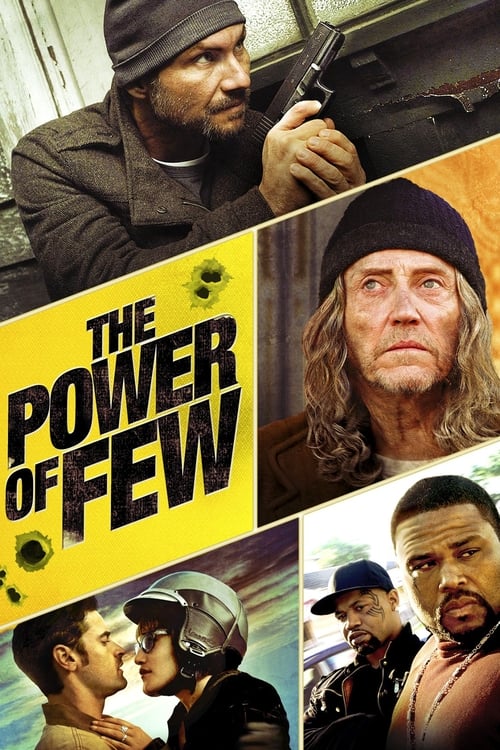
In the ending of "The Power of Few," the various storylines converge as the characters face the consequences of their actions. The film culminates in a tense standoff involving a robbery, a hidden agenda, and the revelation of deeper connections between the characters. Ultimately, the fates of the main characters are sealed in a dramatic and emotional conclusion.
As the film approaches its climax, we find ourselves in a dimly lit convenience store, where the tension is palpable. The characters, each with their own motivations and secrets, are drawn together by fate. The store is the backdrop for a robbery that has been set in motion by a group of masked men. Among them is a character named "The Kid," who is visibly anxious and conflicted about the unfolding events. His internal struggle is evident as he grapples with the morality of their actions.
Simultaneously, we see "The Messenger," a character who has been observing the events from the sidelines. He is aware of the interconnectedness of the characters and the larger implications of their choices. His presence adds a layer of urgency to the unfolding drama, as he attempts to intervene and guide the others toward a better outcome.
As the robbery escalates, the characters' true natures are revealed. "The Mother," a desperate woman trying to protect her child, becomes a pivotal figure in the chaos. Her fierce determination to safeguard her family drives her to confront the robbers, showcasing her bravery and maternal instincts. The emotional stakes rise as she faces off against the criminals, embodying the film's themes of sacrifice and resilience.
In a moment of high tension, the situation spirals out of control. Gunfire erupts, and chaos ensues. The Kid, caught in the crossfire, must make a choice that will define his character. He ultimately decides to stand up against the robbers, showcasing a transformation from a frightened youth to a courageous individual willing to fight for what is right.
As the dust settles, the aftermath reveals the fates of the main characters. The Messenger, having played a crucial role in guiding the others, reflects on the events with a sense of bittersweet resolution. The Mother, despite her bravery, faces the harsh reality of loss, as the consequences of the robbery take a toll on her family. The Kid, having found his courage, emerges from the ordeal changed, carrying the weight of his experiences with him.
In the final moments, the film leaves the audience with a sense of ambiguity. The characters are left to grapple with their choices and the impact of their actions on their lives and the lives of others. The Power of Few concludes with a poignant reminder of the interconnectedness of human experiences and the profound effects of individual decisions in the face of adversity.
Is there a post-credit scene?
The movie "The Power of Few," released in 2013, does not contain a post-credit scene. The film concludes its narrative without any additional scenes or content after the credits roll. The story wraps up with the resolution of the intertwined lives of its characters, leaving the audience with the themes of fate, connection, and the impact of individual choices.
What role does the character of the young boy play in the story?
The young boy, played by a child actor, serves as a pivotal character whose actions and fate intertwine with the lives of the adult characters. His innocence and vulnerability highlight the stakes of the unfolding events, particularly as he becomes a target in the chaotic situation that develops around the robbery.
How does the character of the hitman influence the plot?
The hitman, portrayed as a cold and calculating figure, is central to the tension in the film. His motivations are driven by a personal vendetta, and his presence escalates the conflict as he pursues the characters involved in the robbery, leading to a series of violent confrontations that reveal deeper connections between the characters.
What is the significance of the robbery in the narrative?
The robbery serves as the catalyst for the intertwining stories of the characters. It sets off a chain reaction of events that reveal their backstories and motivations, ultimately connecting them in unexpected ways. The heist is not just a plot device but a means to explore themes of desperation and moral ambiguity.
How does the character of the bartender contribute to the story?
The bartender acts as a reluctant observer and participant in the unfolding drama. His interactions with the other characters provide insight into their motivations and fears. He embodies a sense of weariness and disillusionment, reflecting the impact of the chaotic events on ordinary lives.
What is the relationship between the two women in the film?
The two women, who are connected through their involvement in the robbery, represent contrasting responses to their circumstances. Their relationship is marked by tension and conflict, as one seeks to protect her child while the other is driven by desperation. Their dynamic adds emotional depth to the narrative, showcasing the lengths to which individuals will go to survive.
Is this family friendly?
"The Power of Few," produced in 2013, is not considered family-friendly due to several potentially objectionable elements. Here are some aspects that might be upsetting for children or sensitive viewers:
-
Violence: The film contains scenes of gun violence and physical confrontations that may be intense and disturbing.
-
Drug Use: There are references to drug dealing and consumption, which may not be suitable for younger audiences.
-
Strong Language: The dialogue includes profanity and harsh language that could be inappropriate for children.
-
Mature Themes: The narrative explores themes of crime, betrayal, and moral ambiguity, which may be complex and unsettling for younger viewers.
-
Emotional Distress: Characters experience significant emotional turmoil, including fear, desperation, and loss, which could be distressing.
These elements contribute to a tone that may not be appropriate for a family audience.








