








Popular
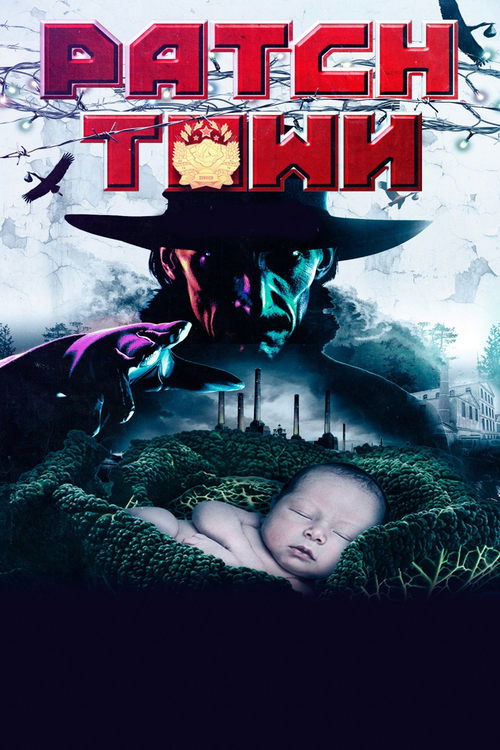
What is the significance of the character of the Patch Town dolls in the story?
How does Patch's relationship with his creator, the Dollmaker, evolve throughout the film?
What role does the character of the 'Queen' play in Patch's journey?
How does the theme of love manifest in Patch's relationship with the human character, Mary?
What is the significance of the 'Rebellion' that Patch leads, and what does it symbolize?
Should I watch it?
Ask Your Own Question

What is the plot?
Sorry, we aren't able to watch and write up a full detailed plot yet. Check back in a few days.
More Movies Like This
Browse All Movies →


What is the ending?
In the ending of "Patch Town," the main character, a sentient doll named Joe, confronts the reality of his existence and the oppressive system that created him. He ultimately decides to escape the confines of Patch Town, seeking freedom and a chance to live authentically. Joe's journey leads him to a confrontation with the factory owner, where he fights for his right to exist beyond the limitations imposed on him. The film concludes with Joe embracing his identity and the possibility of a new life, while the other dolls begin to awaken to their own desires for freedom.
As the film approaches its climax, we find Joe grappling with the truth of his existence. He has learned that he and his fellow dolls were created to serve as toys, living in a world where they are treated as mere products. The oppressive atmosphere of Patch Town weighs heavily on him, and he feels a deep yearning for something more than the life of servitude that has been assigned to him.
In a pivotal scene, Joe gathers his courage and confronts the factory owner, a figure who embodies the exploitation of the dolls. The factory owner, with a cold demeanor, represents the system that has kept Joe and his friends in a state of subjugation. Joe's internal struggle is palpable as he stands up to this authority figure, fueled by a newfound sense of self-worth and determination. The confrontation is intense, filled with emotional stakes as Joe fights not just for his own freedom, but for the freedom of all the dolls who have been denied their autonomy.
As the conflict escalates, Joe's friends, the other dolls, begin to awaken to their own desires for freedom. They witness Joe's bravery and are inspired to join him in his quest for liberation. This moment marks a significant turning point in the narrative, as the dolls collectively realize that they are more than just toys; they are beings with hopes and dreams.
In the final scenes, Joe leads the group in a daring escape from Patch Town. The atmosphere is charged with a mix of fear and exhilaration as they navigate through the factory, dodging the watchful eyes of the factory workers. The visual imagery is striking, with the dark, oppressive environment of the factory contrasting sharply with the bright light of the outside world that symbolizes hope and freedom.
As they break free from the confines of Patch Town, the dolls emerge into a new world, filled with possibilities. Joe stands at the forefront, embodying the spirit of rebellion and the quest for identity. The film closes on a hopeful note, with Joe and his friends looking towards the horizon, ready to embrace their new lives. Each character, having faced their fears and fought for their freedom, is now on a path to self-discovery and authenticity.
In summary, Joe's fate is one of liberation and self-acceptance, as he steps into a world where he can define his own identity. The other dolls, inspired by Joe's courage, also find their own paths to freedom, marking a collective awakening that signifies the film's overarching themes of autonomy and the fight against oppression.
Is there a post-credit scene?
In the movie "Patch Town," there is no post-credit scene. The film concludes its narrative without any additional scenes or content after the credits roll. The story wraps up with the resolution of the main plot, focusing on the journey of the protagonist, a living doll named "Patch," as he seeks to understand his identity and the meaning of freedom. The ending emphasizes the themes of self-discovery and the quest for a place in the world, leaving the audience with a sense of closure regarding Patch's journey.
What is the significance of the character of the Patch Town dolls in the story?
The Patch Town dolls are central to the narrative, representing the lost innocence and the struggle for identity. They are created to serve humans but yearn for freedom and self-discovery. The protagonist, a doll named 'Patch,' embodies this struggle as he seeks to understand his purpose beyond servitude.
How does Patch's relationship with his creator, the Dollmaker, evolve throughout the film?
Initially, Patch views the Dollmaker as a father figure, but as he learns more about his existence and the truth behind the dolls' creation, his feelings shift from admiration to resentment. This evolution highlights Patch's journey towards autonomy and the painful realization of his own existence.
What role does the character of the 'Queen' play in Patch's journey?
The Queen serves as a symbol of authority and control within Patch Town. She represents the oppressive forces that keep the dolls in line. Patch's interactions with her reveal his growing defiance and desire for freedom, ultimately pushing him to challenge the status quo.
How does the theme of love manifest in Patch's relationship with the human character, Mary?
Patch's love for Mary is a driving force in his quest for freedom. Their bond transcends the boundaries of doll and human, showcasing the depth of his emotions and desires. Mary's acceptance of Patch as more than just a doll fuels his determination to break free from the constraints of Patch Town.
What is the significance of the 'Rebellion' that Patch leads, and what does it symbolize?
The Rebellion represents the dolls' fight for autonomy and self-determination. It symbolizes the struggle against oppression and the quest for identity. Patch's leadership in this movement reflects his growth from a passive character to an active agent of change, embodying the hope for a better future for all dolls.
Is this family friendly?
"Patch Town," produced in 2014, is a unique film that blends elements of dark comedy and fantasy. While it has a whimsical premise, there are several aspects that may not be suitable for children or sensitive viewers.
-
Dark Themes: The film explores themes of identity, creation, and existentialism, which may be complex and unsettling for younger audiences.
-
Violence: There are scenes that depict violence, including confrontations and physical altercations that may be distressing.
-
Emotional Struggles: Characters experience significant emotional turmoil, including feelings of abandonment and existential dread, which could be heavy for sensitive viewers.
-
Mature Humor: The film contains humor that may be considered inappropriate for children, including dark and satirical elements.
-
Surreal Imagery: Some visual elements may be bizarre or unsettling, contributing to an overall tone that might be confusing or frightening for younger viewers.
Overall, while "Patch Town" has a creative and imaginative storyline, its darker themes and mature content may not make it family-friendly.









