

















Popular
What motivates the character of Lukas to seek revenge against the family in the valley?
How does the relationship between Lukas and the local girl, Anna, develop throughout the film?
What role does the harsh landscape of the valley play in the story?
How does the family that controls the valley maintain their power over the villagers?
What is the significance of the recurring theme of darkness in the film?
Should I watch it?
Ask Your Own Question

What is the plot?
Sorry, we aren't able to watch and write up a full detailed plot yet. Check back in a few days.


What is the ending?
In the ending of "The Dark Valley," the protagonist, a mysterious stranger named Lukas, confronts the oppressive family that rules the valley. After a series of violent confrontations, he ultimately avenges the wrongs done to him and the people of the valley. The film concludes with Lukas leaving the valley, having fulfilled his quest for vengeance, but the emotional toll of his actions weighs heavily on him.
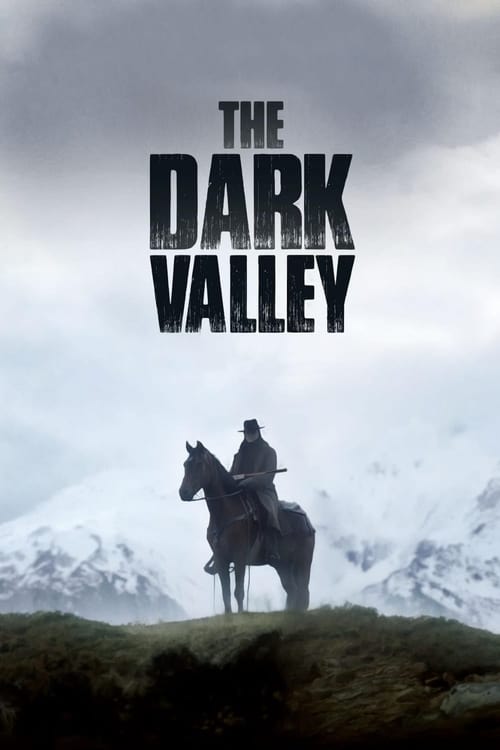
As the final act unfolds, the tension escalates in the valley. Lukas, having already faced the brutal family that controls the area, prepares for the inevitable confrontation. The atmosphere is thick with anticipation, and the landscape reflects the dark themes of the story--snow-covered mountains loom ominously, and the cold air is filled with a sense of foreboding.
Scene by scene, the climax begins with Lukas stealthily moving through the snow-laden terrain, his breath visible in the frigid air. He approaches the family's homestead, where the patriarch, a ruthless man named the "Hinter," and his sons are gathered. The tension is palpable as Lukas enters the house, his presence a stark contrast to the oppressive atmosphere created by the Hinter family.
Inside, the family is engaged in a brutal discussion about their control over the valley and their disdain for outsiders. Lukas, with a steely resolve, confronts them, revealing his true identity and the reasons for his vengeance. The Hinter family, initially dismissive, quickly realizes the threat he poses. A violent confrontation ensues, showcasing Lukas's skill and determination. He fights with a mix of desperation and purpose, each blow fueled by the memories of the injustices he has suffered.
As the fight progresses, the camera captures the raw emotions on Lukas's face--anger, pain, and a flicker of hope for justice. The Hinter family, despite their numbers, begins to falter against Lukas's relentless assault. One by one, the sons fall, their arrogance shattered by the reality of their situation. The patriarch, witnessing the downfall of his family, becomes increasingly desperate, leading to a final showdown between him and Lukas.
In a climactic moment, Lukas confronts the Hinter patriarch, who pleads for mercy. However, Lukas, driven by the weight of his past and the suffering of those who have been wronged, delivers a final blow. The patriarch falls, and with him, the oppressive grip of the Hinter family over the valley is broken.
With the battle won, Lukas stands amidst the remnants of the fight, the snow around him stained with the consequences of his actions. He takes a moment to reflect, the weight of his vengeance heavy on his shoulders. The camera lingers on his face, capturing a mix of relief and sorrow. He has avenged his past, but the cost is evident in his weary expression.
As the film draws to a close, Lukas walks away from the valley, leaving behind the chaos and bloodshed. The landscape, once a symbol of oppression, now feels different--perhaps a little freer, but also marked by the violence that has transpired. The final shot shows him disappearing into the distance, a solitary figure against the vast, cold wilderness, embodying the complex emotions of a man who has sought justice but at a great personal cost.
In the aftermath, the fate of the remaining characters is revealed. The valley, now devoid of the Hinter family's tyranny, faces an uncertain future. The villagers, who had lived in fear, begin to emerge from their homes, cautiously optimistic about the change. However, the emotional scars of their past linger, suggesting that while the physical threat has been eliminated, the journey toward healing and rebuilding will be long and arduous. Lukas, having fulfilled his quest, is left to grapple with the consequences of his actions, a lone figure in a world that has been irrevocably altered by his quest for vengeance.
Is there a post-credit scene?
The Dark Valley, produced in 2014, does not have a post-credit scene. The film concludes its narrative without any additional scenes or content after the credits roll. The story wraps up with a sense of finality, focusing on the themes of revenge, isolation, and the harsh realities of life in a remote mountain village. The ending leaves the audience with a lingering emotional impact, reflecting on the consequences of the characters' actions throughout the film.
What motivates the character of Lukas to seek revenge against the family in the valley?
Lukas, a mysterious stranger, is driven by a deep-seated need for vengeance after witnessing the brutal murder of his father by the family that controls the valley. His internal conflict is fueled by a desire for justice and the emotional scars left by his father's death, which compel him to infiltrate the family and ultimately confront them.
How does the relationship between Lukas and the local girl, Anna, develop throughout the film?
Lukas and Anna's relationship begins with a sense of mutual curiosity and attraction, as Anna is drawn to Lukas's enigmatic nature. As they spend time together, Anna becomes increasingly aware of Lukas's dark past and his intentions, leading to a complex emotional bond that is tinged with both hope and tragedy. Their connection serves as a poignant contrast to the violence surrounding them.
What role does the harsh landscape of the valley play in the story?
The valley's rugged and unforgiving landscape serves as a reflection of the characters' inner turmoil and the oppressive atmosphere created by the ruling family. The isolation and harshness of the environment amplify the tension and danger that Lukas faces, while also symbolizing the entrapment of the villagers under the family's tyranny.
How does the family that controls the valley maintain their power over the villagers?
The family maintains their power through a combination of fear, violence, and manipulation. They enforce strict rules and punishments, ensuring that the villagers remain submissive and dependent on them. This oppressive control is exemplified through brutal acts of violence, which serve to instill terror and discourage any thoughts of rebellion among the villagers.
What is the significance of the recurring theme of darkness in the film?
The theme of darkness is significant as it represents both the physical and moral decay within the valley. It manifests in the oppressive actions of the ruling family, the emotional struggles of the characters, and the foreboding atmosphere that permeates the story. This darkness serves as a backdrop for Lukas's quest for revenge and the moral dilemmas faced by the characters.
Is this family friendly?
"The Dark Valley" is not considered family-friendly due to its mature themes and graphic content. Here are some potentially objectionable or upsetting aspects that may occur:
-
Violence: The film contains several scenes of brutal violence, including physical confrontations and gunfights that may be distressing to viewers.
-
Death: There are multiple instances of characters being killed, which are depicted in a stark and unflinching manner, potentially upsetting for sensitive viewers.
-
Themes of Revenge and Betrayal: The narrative explores dark themes such as revenge, betrayal, and the consequences of violence, which may be heavy for younger audiences.
-
Isolation and Despair: The emotional tone of the film is often bleak, showcasing characters in despair and isolation, which could be unsettling.
-
Mature Language: The dialogue includes strong language that may not be suitable for children.
These elements contribute to a dark atmosphere that may not be appropriate for younger viewers or those sensitive to such content.









