










Popular
What challenges does Kidane face in Timbuktu?
How does the character of Satima represent the struggles of women in Timbuktu?
What is the significance of the character of the musician, and how does he respond to the jihadists?
How does the relationship between Kidane and his daughter reflect the impact of the jihadist rule?
What events lead to Kidane's tragic fate, and how do they unfold?
Should I watch it?
Ask Your Own Question

What is the plot?
Sorry, we aren't able to watch and write up a full detailed plot yet. Check back in a few days.
More Movies Like This
Browse All Movies →



What is the ending?
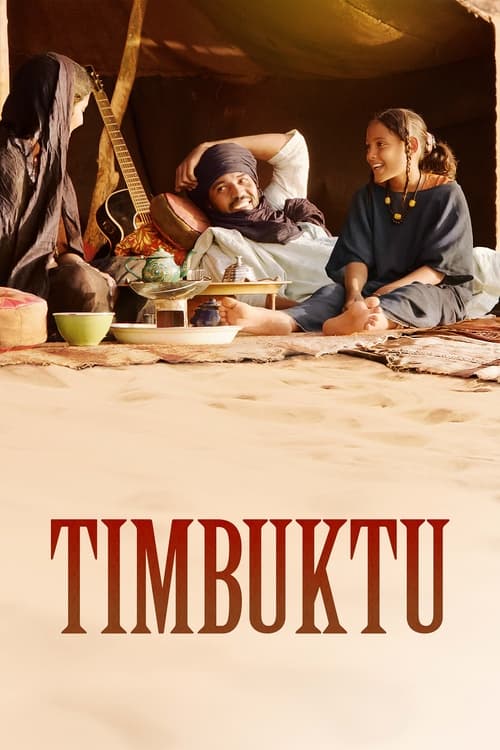
In the ending of "Timbuktu," Kidane is executed by the jihadists for killing a man who had wronged him, while his wife, Satima, and their daughter, Toya, are left to mourn his loss. The film concludes with a poignant scene showing the harsh realities of life under extremist rule, emphasizing the struggle for freedom and the impact of violence on innocent lives.
As the film approaches its conclusion, the tension escalates in the town of Timbuktu. Kidane, a cattle herder, has been living a peaceful life with his wife, Satima, and their daughter, Toya. However, the oppressive presence of jihadist militants has cast a shadow over their existence. The film captures the daily struggles of the townspeople, who are forced to adhere to the strict and often absurd rules imposed by the militants.
In a pivotal scene, Kidane confronts a local fisherman named Amadou, who has been caught in a dispute over a cow. The situation escalates when Amadou, who has been wronged by Kidane, is killed in a moment of rage. This act of violence sets off a chain of events that leads to Kidane's arrest by the jihadists. The militants, who have been enforcing their interpretation of Sharia law, decide that Kidane must face the consequences of his actions.
As Kidane awaits his fate, the film shifts focus to Satima and Toya, who are left in a state of despair. They are powerless to intervene as the militants prepare for Kidane's execution. The emotional weight of the scene is palpable, as Satima clings to her daughter, trying to provide comfort in the face of impending tragedy. The bond between mother and daughter is highlighted, showcasing their shared grief and fear.
The day of the execution arrives, and the townspeople gather to witness the event. Kidane is brought before the crowd, and the atmosphere is thick with tension and sorrow. He stands resolute, embodying a mix of defiance and acceptance of his fate. The militants, clad in their uniforms, carry out the execution with cold efficiency, further emphasizing the brutality of their regime. Kidane's final moments are filled with a sense of dignity, as he faces his death without flinching.
After the execution, the film shifts back to Satima and Toya, who are left to navigate their new reality without Kidane. The emotional aftermath of his death is devastating, as they grapple with their loss in a world that has become increasingly hostile. The final scenes depict the stark contrast between the beauty of the landscape and the harshness of life under oppression. Satima and Toya's grief is palpable, and the film closes on a haunting note, leaving the audience to reflect on the impact of violence and the resilience of the human spirit in the face of adversity.
In summary, the fates of the main characters are sealed in tragedy: Kidane is executed, while Satima and Toya are left to mourn and endure the oppressive reality of their lives in Timbuktu, highlighting the film's exploration of loss, resilience, and the struggle against tyranny.
Is there a post-credit scene?
The movie "Timbuktu," produced in 2014, does not have a post-credit scene. The film concludes with a poignant and powerful ending that encapsulates its themes of resistance, suffering, and the impact of extremism on everyday life. The narrative wraps up with a focus on the characters' struggles and the harsh realities they face under the occupation, leaving the audience with a lasting emotional resonance rather than a scene that would typically follow the credits.
What challenges does Kidane face in Timbuktu?
Kidane, a cattle herder living peacefully near Timbuktu, faces significant challenges when the jihadist group takes control of the region. His life is disrupted as the militants impose strict Sharia law, affecting his freedom and the way he raises his family. The tension escalates when he is confronted by the militants over a dispute regarding his cattle, leading to dire consequences.
How does the character of Satima represent the struggles of women in Timbuktu?
Satima, Kidane's wife, embodies the struggles faced by women under the oppressive regime. She is subjected to the harsh realities of the new laws, which restrict her freedom and impose severe penalties for perceived transgressions. Her emotional turmoil is palpable as she navigates the fear of the militants and the impact of their rules on her family.
What is the significance of the character of the musician, and how does he respond to the jihadists?
The musician, who represents the voice of resistance and cultural identity, faces persecution from the jihadists who ban music. His internal conflict is evident as he grapples with the loss of his art and the threat to his life. He ultimately chooses to defy the ban, symbolizing the struggle for freedom of expression in the face of oppression.
How does the relationship between Kidane and his daughter reflect the impact of the jihadist rule?
Kidane's relationship with his daughter reflects the generational impact of the jihadist rule. He is protective and loving, yet he is also aware of the dangers that the new laws pose to her future. Their interactions are filled with tenderness, but also a growing sense of urgency and fear as he tries to shield her from the harsh realities of their changing world.
What events lead to Kidane's tragic fate, and how do they unfold?
Kidane's tragic fate unfolds after a confrontation with the jihadists over his cattle. When he is accused of murder after a violent altercation, he is arrested and faces a sham trial. The events leading to his execution are marked by a sense of helplessness and injustice, as he struggles to defend his actions while the militants impose their brutal interpretation of justice.
Is this family friendly?
"Timbuktu," produced in 2014, is a poignant and powerful film that addresses serious themes and societal issues. While it is a critically acclaimed work, it may not be considered family-friendly due to several potentially objectionable or upsetting scenes.
-
Violence and Intimidation: The film depicts the oppressive actions of armed militants, including public beatings and executions, which can be distressing for viewers, especially children.
-
Religious Extremism: The portrayal of strict interpretations of Islamic law and the enforcement of harsh penalties for perceived moral transgressions may be unsettling.
-
Emotional Turmoil: Characters experience significant emotional distress, including fear, loss, and despair, which may be difficult for sensitive viewers to process.
-
Gender Discrimination: The film highlights the oppression of women, including restrictions on their freedom and rights, which can be upsetting.
-
Death and Grief: Themes of loss and mourning are prevalent, as characters deal with the consequences of violence and the impact on their families.
Overall, while "Timbuktu" is a significant artistic work that raises important social issues, its content may not be suitable for younger audiences or those who are sensitive to themes of violence and oppression.








