








Popular
What role do the supporting characters play in the protagonist's journey?
What motivates the main character to embark on their journey in Such a Landscape?
How does the landscape itself influence the characters' emotional states?
What specific events trigger the protagonist's memories throughout the film?
How does the protagonist's perception of the landscape change over the course of the film?
Should I watch it?
Ask Your Own Question

What is the plot?
Sorry, we aren't able to watch and write up a full detailed plot yet. Check back in a few days.
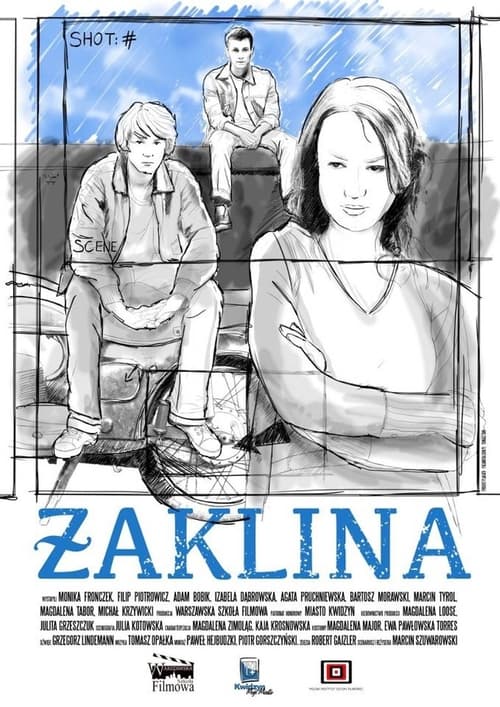







What is the ending?
In the ending of "Such a Landscape," the main character, a woman named Anna, confronts her past and the emotional scars that have shaped her life. She finds a sense of closure as she reconciles with her memories and the people she has lost. The film concludes with Anna standing alone in a vast, serene landscape, symbolizing her newfound acceptance and the possibility of moving forward.
As the final scenes unfold, we see Anna walking through a desolate yet beautiful landscape, the sun setting in the distance, casting a warm glow over the terrain. The camera captures her solitary figure against the expansive backdrop, emphasizing her isolation but also her strength. She pauses, taking a deep breath, as if absorbing the weight of her past and the beauty of the present moment.
In a flashback, we see Anna's interactions with her late mother, who had a profound impact on her life. The memories are bittersweet, filled with laughter and tears, showcasing the complexity of their relationship. Anna's face reflects a mixture of sorrow and gratitude as she recalls the lessons learned and the love shared.
The scene shifts back to the present, where Anna stands at the edge of a cliff, overlooking a vast valley. The wind tousles her hair, and she closes her eyes, allowing herself to feel the freedom of the open space. This moment signifies her acceptance of the pain she has endured and her readiness to embrace the future.
As the camera pans out, we see Anna take a step forward, symbolizing her decision to move on from her past. The landscape around her is both daunting and inviting, representing the unknown journey ahead. The film ends with a lingering shot of Anna, a solitary figure against the expansive landscape, embodying resilience and hope.
Throughout these final moments, the film emphasizes themes of loss, acceptance, and the journey toward healing. Anna's fate is one of empowerment; she is no longer defined by her past but is instead ready to forge her own path. The other characters, though not present in the final scenes, are woven into Anna's memories, illustrating their lasting impact on her life and the emotional landscape she navigates.
Is there a post-credit scene?
In the movie "Such a Landscape," there is no post-credit scene. The film concludes its narrative without any additional scenes after the credits roll, leaving the audience with the emotional weight of the story and the themes explored throughout the film. The ending encapsulates the characters' journeys and the landscapes they traverse, both physically and emotionally, providing a sense of closure without the need for further scenes.
What role do the supporting characters play in the protagonist's journey?
The supporting characters serve as catalysts for the protagonist's self-discovery. Each interaction reveals different facets of the protagonist's personality and past, challenging them to confront their fears and regrets. These characters embody various aspects of the protagonist's psyche, pushing them toward growth and understanding.
What motivates the main character to embark on their journey in Such a Landscape?
The main character, driven by a deep sense of loss and a desire for closure, embarks on a journey through a desolate landscape that mirrors their internal turmoil. This quest is fueled by memories of a past relationship that haunts them, pushing them to confront their emotions and the choices that led to their current state.
How does the landscape itself influence the characters' emotional states?
The stark and barren landscape serves as a reflection of the characters' inner struggles. As they traverse through the desolate terrain, the harsh environment amplifies their feelings of isolation, despair, and longing, creating a visceral connection between their emotional states and the physical world around them.
What specific events trigger the protagonist's memories throughout the film?
Throughout the film, specific events such as encountering familiar locations, finding personal items, or meeting people from their past trigger vivid memories for the protagonist. These moments are often accompanied by flashbacks that reveal the depth of their previous relationships and the pain of unresolved issues.
How does the protagonist's perception of the landscape change over the course of the film?
Initially, the protagonist views the landscape as a bleak and unforgiving place that mirrors their despair. However, as they progress on their journey and confront their emotions, their perception shifts. They begin to see beauty in the desolation, symbolizing their acceptance of the past and a newfound hope for the future.
Is this family friendly?
"Such a Landscape," produced in 2013, is a film that delves into complex emotional themes and human relationships. While it does not contain explicit content, there are several aspects that may be considered potentially objectionable or upsetting for children or sensitive viewers.
-
Emotional Turmoil: The film explores deep emotional struggles, including themes of loss, grief, and existential reflection, which may be difficult for younger audiences to process.
-
Family Conflict: There are scenes depicting tension and conflict within family dynamics, which could be distressing for children who may not understand the nuances of adult relationships.
-
Isolation and Loneliness: The characters experience feelings of isolation and loneliness, which are portrayed in a poignant manner that might resonate deeply with sensitive viewers.
-
Visual Imagery: The cinematography captures stark landscapes that reflect the characters' emotional states, which may evoke feelings of sadness or melancholy.
-
Subtle References to Past Trauma: There are hints at past traumas that affect the characters, which may be unsettling for some viewers, particularly younger ones.
Overall, while "Such a Landscape" does not contain overtly objectionable material, its emotional depth and thematic complexity may not be suitable for all children or sensitive individuals.








