




















































Popular
What role does Kevin Feige play in the development of the Marvel Cinematic Universe as shown in the documentary?
How does the documentary illustrate the impact of Iron Man on the Marvel Cinematic Universe?
What insights does the documentary provide about the casting process for key characters like Thor and Captain America?
How does the documentary address the evolution of the Hulk character across different films?
What does the documentary reveal about the creative process behind the Avengers film and its ensemble cast?
Should I watch it?
Ask Your Own Question

What is the plot?
Sorry, we aren't able to watch and write up a full detailed plot yet. Check back in a few days.
More Movies Like This
Browse All Movies →







What is the ending?
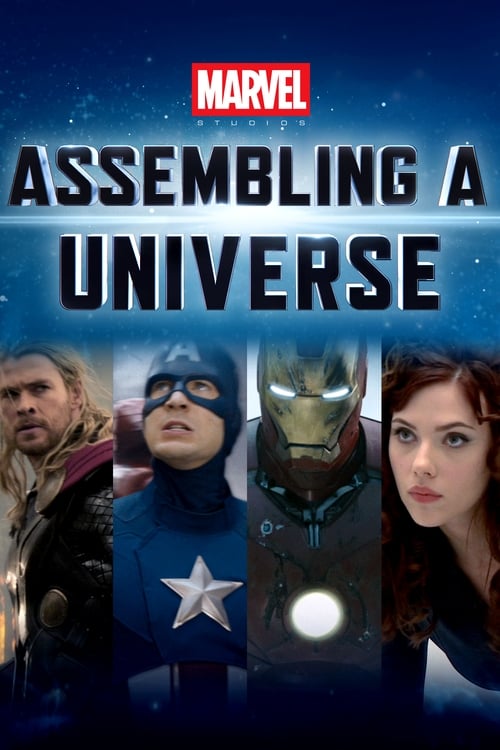
"Marvel Studios: Assembling a Universe" is a documentary that chronicles the development of the Marvel Cinematic Universe (MCU) up to 2014, rather than a traditional narrative film with a plot and characters. Therefore, it does not have a conventional ending with a resolution of character arcs or conflicts. Instead, it concludes by highlighting the interconnectedness of the MCU and the anticipation for future films.
In the expanded narrative, the documentary begins with a retrospective look at the origins of Marvel Comics, showcasing the passion and creativity of its founders. It transitions into the early 2000s, detailing the challenges Marvel faced in bringing its characters to the big screen. The documentary emphasizes the pivotal moment when Marvel Studios was formed, leading to the release of "Iron Man" in 2008, which set the stage for the MCU.
As the documentary progresses, it highlights key films such as "The Incredible Hulk," "Thor," "Captain America: The First Avenger," and "The Avengers." Each segment showcases behind-the-scenes footage, interviews with cast and crew, and the evolution of the characters. The emotional stakes are high as the filmmakers discuss the risks taken in creating a shared universe, the challenges of casting, and the importance of character development.
The documentary culminates in the lead-up to "Guardians of the Galaxy," emphasizing the expansion of the MCU into new territories and the introduction of lesser-known characters. It showcases the excitement and anticipation surrounding the future of the franchise, with glimpses of upcoming films and the promise of more interconnected stories.
In the final scenes, the documentary reflects on the success of the MCU, celebrating its impact on popular culture and the film industry. It leaves viewers with a sense of wonder about the future of Marvel characters and the stories yet to be told, emphasizing the ongoing journey of the Marvel Cinematic Universe.
The fate of the main characters is not applicable in the traditional sense, as the documentary does not follow a narrative arc with character resolutions. Instead, it focuses on the collective journey of the Marvel characters and the filmmakers who brought them to life, setting the stage for future adventures in the MCU.
Is there a post-credit scene?
"Marvel Studios: Assembling a Universe" is a documentary that explores the creation and development of the Marvel Cinematic Universe (MCU) up to that point in 2014. It does not have a traditional narrative structure or a post-credit scene like the feature films in the MCU. Instead, it focuses on interviews, behind-the-scenes footage, and insights from key figures involved in the MCU, such as directors, actors, and producers.
The documentary highlights the interconnectedness of the films, the evolution of characters, and the ambitious plans for future projects. It serves as a celebration of the franchise rather than a standalone story with a plot or post-credit scene. Therefore, there is no post-credit scene to describe.
What role does Kevin Feige play in the development of the Marvel Cinematic Universe as shown in the documentary?
Kevin Feige is portrayed as the visionary leader behind the Marvel Cinematic Universe (MCU). The documentary highlights his journey from being an intern at Marvel to becoming the President of Marvel Studios. His passion for storytelling and deep understanding of the Marvel characters drive the direction of the films, as he meticulously plans the interconnected narratives that define the MCU.
How does the documentary illustrate the impact of Iron Man on the Marvel Cinematic Universe?
The documentary emphasizes Iron Man's pivotal role as the film that launched the MCU. It showcases behind-the-scenes footage of the production, including Robert Downey Jr.'s casting and performance, which set the tone for future films. The success of Iron Man is depicted as a turning point that established the formula for character-driven storytelling and interconnected plots, leading to the expansive universe that followed.
What insights does the documentary provide about the casting process for key characters like Thor and Captain America?
The documentary delves into the casting process for Thor and Captain America, revealing the extensive auditions and the challenges faced in finding the right actors. For Thor, Chris Hemsworth's transformation and embodiment of the character's strength and charm are highlighted, while for Captain America, Chris Evans' initial reluctance and eventual acceptance of the role are discussed, showcasing the importance of casting in bringing these iconic characters to life.
How does the documentary address the evolution of the Hulk character across different films?
The documentary explores the evolution of the Hulk character, particularly focusing on the transition from Edward Norton's portrayal in 'The Incredible Hulk' to Mark Ruffalo's interpretation in 'The Avengers.' It discusses the challenges of creating a compelling Hulk that resonates with audiences, emphasizing the character's duality and the creative decisions that led to a more integrated and beloved version of the Hulk within the MCU.
What does the documentary reveal about the creative process behind the Avengers film and its ensemble cast?
The documentary provides a behind-the-scenes look at the creative process of assembling the Avengers film, highlighting the challenges of coordinating an ensemble cast of established characters. It showcases the collaborative efforts of directors, writers, and actors to ensure that each character's arc is respected while contributing to the larger narrative. The emotional stakes and camaraderie among the cast are emphasized, illustrating the dedication to creating a cohesive and thrilling superhero team.
Is this family friendly?
"Marvel Studios: Assembling a Universe" is a documentary that explores the creation and development of the Marvel Cinematic Universe. It is generally family-friendly, but there are a few aspects that might be considered potentially objectionable or upsetting for children or sensitive viewers:
-
Mild Violence: The documentary includes clips from various Marvel films that feature action sequences, battles, and some violence, which may be intense for younger viewers.
-
Dark Themes: Some segments discuss the darker themes present in the films, such as loss, sacrifice, and the moral dilemmas faced by characters, which might be heavy for sensitive audiences.
-
Emotional Moments: There are scenes that delve into the emotional struggles of characters, including loss and betrayal, which could evoke strong feelings.
-
Mature Language: While the documentary itself is relatively clean, some clips from the films may contain mild language or suggestive themes.
Overall, while the documentary is suitable for most family audiences, parents may want to preview it to gauge its appropriateness for their children based on individual sensitivities.








