











































Popular
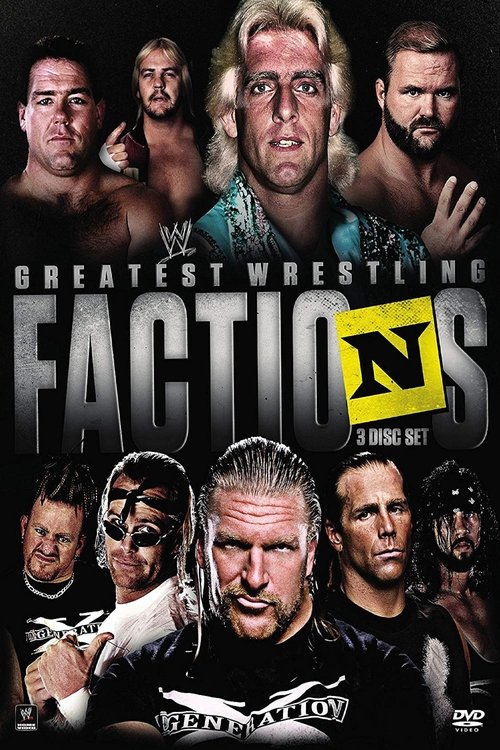
What factions are highlighted in WWE Greatest Wrestling Factions?
How does the documentary portray the formation of D-Generation X?
What key moments from The nWo's history are featured?
How does the film depict the legacy of The Four Horsemen?
What emotional impact does The Shield's breakup have on the narrative?
Should I watch it?
Ask Your Own Question

What is the plot?
Sorry, we aren't able to watch and write up a full detailed plot yet. Check back in a few days.








What is the ending?
The ending of WWE Greatest Wrestling Factions culminates in a celebration of the most influential wrestling factions in WWE history. The documentary wraps up by highlighting the legacies of these factions, showcasing their impact on the wrestling world, and leaving viewers with a sense of nostalgia and appreciation for the characters and stories that defined an era.
As the film approaches its conclusion, it transitions into a montage that features clips of the most iconic moments from various factions, including The Four Horsemen, D-Generation X, The nWo, and The Shield. Each faction is given a moment to shine, with interviews from former members reflecting on their experiences and the bonds formed within these groups. The emotional weight of their shared journeys is palpable, as they recount the highs and lows of their time together.
The final scenes focus on the lasting influence these factions have had on the wrestling industry and the new generations of wrestlers who have been inspired by them. The screen fades to black with a powerful message about the importance of teamwork, loyalty, and the indelible mark these factions have left on the hearts of fans and the sport itself.
In a more detailed narrative, the ending unfolds as follows:
As the documentary nears its conclusion, the screen transitions to a series of clips showcasing the most memorable moments from the various wrestling factions. The music swells, evoking a sense of nostalgia as the audience is taken on a journey through time. The Four Horsemen are highlighted first, their legacy cemented by their unparalleled charisma and in-ring prowess. The camera captures the intensity of their matches, the camaraderie among the members, and the way they revolutionized the concept of a wrestling faction.
Next, the film shifts to D-Generation X, showcasing their rebellious spirit and the way they pushed boundaries in the wrestling world. Clips of their infamous antics, such as the "DX Army" and their iconic catchphrases, fill the screen. The members reflect on their time together, sharing laughter and fond memories, emphasizing the bond they formed during their tenure.
The narrative then moves to the nWo, a faction that changed the landscape of professional wrestling. The documentary highlights their controversial rise to power, the chaos they brought to WCW, and the impact they had on the Monday Night Wars. Interviews with key members reveal the motivations behind their actions and the thrill of being part of something so groundbreaking.
Finally, The Shield is featured, representing a new generation of wrestlers. The film captures their rise to prominence, their unity, and the way they dominated the WWE landscape. The members discuss their shared goals and the brotherhood that developed, showcasing the emotional connections that transcended the ring.
As the montage concludes, the screen fades to black, and a powerful message appears, emphasizing the importance of teamwork and loyalty in wrestling. The documentary leaves viewers with a sense of appreciation for the factions that have shaped the industry, reminding them of the unforgettable moments and the characters that have become legends.
In the final moments, the film acknowledges the ongoing legacy of these factions, hinting at the future of wrestling and the new stars who will carry the torch. The screen fades out, leaving the audience with a lasting impression of the impact these factions have had on the world of professional wrestling.
Is there a post-credit scene?
WWE Greatest Wrestling Factions, produced in 2014, does not feature a post-credit scene. The documentary focuses on the history and impact of various wrestling factions in WWE, showcasing their formation, key moments, and the influence they had on the wrestling industry. The film concludes with a comprehensive look at the legacy of these factions, leaving viewers with a sense of nostalgia and appreciation for the teamwork and rivalries that defined an era in professional wrestling.
What factions are highlighted in WWE Greatest Wrestling Factions?
The documentary highlights several iconic factions, including The Four Horsemen, D-Generation X, The nWo (New World Order), The Hart Foundation, and The Shield, showcasing their impact on wrestling history.
How does the documentary portray the formation of D-Generation X?
The documentary details the formation of D-Generation X, emphasizing the rebellious attitude of its members, including Shawn Michaels and Triple H, and their role in pushing the boundaries of wrestling entertainment during the Attitude Era.
What key moments from The nWo's history are featured?
Key moments from The nWo's history include Hulk Hogan's shocking heel turn at Bash at the Beach 1996, the faction's dominance in WCW, and the internal conflicts that eventually led to its decline.
How does the film depict the legacy of The Four Horsemen?
The film depicts The Four Horsemen as a revolutionary faction that set the standard for wrestling groups, highlighting their charisma, in-ring skills, and the chemistry between members like Ric Flair, Arn Anderson, and Tully Blanchard.
What emotional impact does The Shield's breakup have on the narrative?
The documentary explores the emotional impact of The Shield's breakup, focusing on the individual journeys of members Seth Rollins, Roman Reigns, and Dean Ambrose, and how their split affected their careers and fan perceptions.
Is this family friendly?
WWE Greatest Wrestling Factions is generally considered family-friendly, as it primarily focuses on the history and impact of various wrestling factions in the WWE. However, there are a few aspects that might be considered objectionable or upsetting for children or sensitive viewers:
-
Violence: The documentary features clips of wrestling matches that include staged violence, which may be intense for younger viewers. While the violence is choreographed, it can still be graphic in nature.
-
Language: There may be instances of mild profanity or suggestive language used by wrestlers during interviews or in match commentary, which could be inappropriate for younger audiences.
-
Themes of Rivalry: The documentary discusses intense rivalries and conflicts between factions, which may include emotional confrontations and dramatic storytelling that could be unsettling for some viewers.
-
Character Personas: Some wrestlers portray aggressive or villainous characters, which might be frightening or confusing for younger children who may not understand the theatrical nature of professional wrestling.
Overall, while the content is not overtly offensive, parents may want to preview the material to determine its suitability for their children.