





























Popular
What motivates Ryszard Kukliński to become a spy for the West?
How does Kukliński manage to pass sensitive information to the CIA?
What role does Kukliński's family play in his decision to spy?
How does the film depict the relationship between Kukliński and his CIA handlers?
What are the consequences of Kukliński's actions for him and his family?
Should I watch it?
Ask Your Own Question

What is the plot?
Sorry, we aren't able to watch and write up a full detailed plot yet. Check back in a few days.


What is the ending?
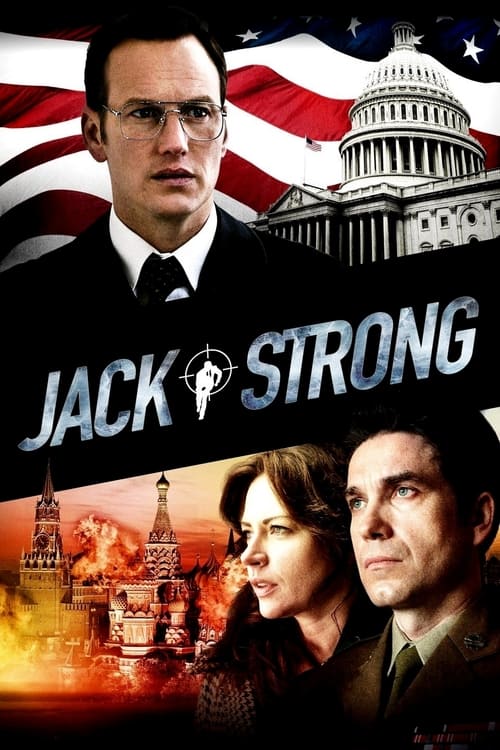
In the ending of "Jack Strong," the protagonist, Ryszard Kukliński, successfully delivers crucial intelligence to the West, revealing the Soviet Union's plans for martial law in Poland. After a tense escape from Poland, he and his family face the uncertainty of their new life in the United States, where they must adapt to a new culture while grappling with the loss of their homeland.
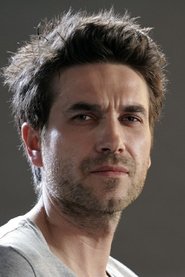
As the film approaches its climax, Ryszard Kukliński, portrayed by Marcin Dorociński, finds himself increasingly isolated in his role as a double agent. The tension escalates as he realizes the gravity of the information he possesses regarding the impending imposition of martial law in Poland. The stakes are high, and the emotional weight of his decisions bears down on him. He is torn between his loyalty to his country and his desire to protect his family from the oppressive regime.
In a pivotal scene, Ryszard meets with his CIA contact, who emphasizes the urgency of his intelligence. The atmosphere is thick with anxiety as Ryszard contemplates the potential consequences of his actions. He knows that revealing the plans could save lives, but it also puts him and his family in grave danger. The internal conflict is palpable; he is a man caught between duty and survival.
As the martial law is declared, chaos erupts in Poland. Ryszard's fears materialize as he witnesses the brutal crackdown on dissent. The streets are filled with soldiers, and the oppressive atmosphere is suffocating. Ryszard's heart races as he realizes that the time for action is now. He must act quickly to ensure that the information reaches the West before it is too late.
In a tense sequence, Ryszard manages to escape Poland with his family, but not without a harrowing journey. They navigate through checkpoints and evade the watchful eyes of the authorities. The fear of being caught looms over them, and the emotional strain is evident on their faces. Ryszard's determination to protect his family drives him forward, even as the weight of his choices hangs heavily on his conscience.
Once they reach the safety of the United States, Ryszard faces a new set of challenges. The transition to a new life is fraught with difficulties, as he grapples with the loss of his homeland and the reality of being a refugee. The emotional toll is significant; he feels the pangs of nostalgia for Poland while simultaneously embracing the opportunities that lie ahead.
In the final scenes, Ryszard reflects on his journey. He has made sacrifices for the greater good, but the cost has been high. His family is safe, but they are also forever changed by their experiences. The film closes with a sense of bittersweet resolution, highlighting the complexities of loyalty, sacrifice, and the pursuit of freedom. Ryszard Kukliński's fate is one of survival, but it is marked by the scars of his past and the uncertain future that awaits him and his family in a new land.
Is there a post-credit scene?
The movie "Jack Strong," produced in 2014, does not have a post-credit scene. The film concludes its narrative without any additional scenes or content after the credits roll. The story wraps up with a focus on the main character, Ryszard Kukliński, and the implications of his actions during the Cold War, leaving the audience to reflect on the historical significance of his choices and the personal sacrifices he made.
What motivates Ryszard Kukliński to become a spy for the West?
Ryszard Kukliński, played by Marcin Dorociński, is motivated by a deep sense of patriotism and a desire to protect Poland from the oppressive Soviet regime. As a high-ranking officer in the Polish Army, he becomes increasingly disillusioned with the Communist government's actions and the threat of a potential invasion of Poland by the Soviet Union. His internal conflict drives him to risk everything, including his family and his own life, to provide crucial intelligence to the West.
How does Kukliński manage to pass sensitive information to the CIA?
Kukliński employs a series of clever tactics to pass sensitive information to the CIA. He uses coded messages and discreet meetings to relay military plans and strategies. The tension builds as he navigates the dangers of being discovered, often using his position within the military to access classified documents. His meticulous planning and the use of trusted contacts help him maintain a delicate balance between his duties and his espionage activities.
What role does Kukliński's family play in his decision to spy?
Kukliński's family plays a significant role in his decision to spy. His love for his wife, Krystyna, and their children weighs heavily on him as he contemplates the risks involved in his espionage. He fears for their safety under a regime that punishes dissent. This emotional turmoil is evident as he struggles with the potential consequences of his actions on his family's future, ultimately leading him to believe that his actions are necessary for their freedom.
How does the film depict the relationship between Kukliński and his CIA handlers?
The relationship between Kukliński and his CIA handlers is depicted as one of mutual respect but also tension. Initially, there is skepticism from the CIA about Kukliński's motives and the validity of the information he provides. As trust builds, they come to rely on his insights, but the pressure of the Cold War and the stakes involved create a constant sense of urgency and danger. This dynamic showcases the complexities of espionage, where alliances are fragile and the cost of failure is high.
What are the consequences of Kukliński's actions for him and his family?
The consequences of Kukliński's actions are profound and far-reaching. After successfully providing intelligence to the West, he faces the ultimate betrayal from the regime he once served. His family is put in danger, leading to a harrowing escape from Poland. The emotional toll is evident as he grapples with guilt and fear for their safety. Ultimately, his actions lead to a life of exile, where he must navigate the challenges of living in a foreign country while constantly looking over his shoulder.
Is this family friendly?
"Jack Strong," produced in 2014, is a historical drama based on true events surrounding the Cold War and espionage. While the film is engaging and offers a deep look into the life of a Polish spy, it contains several elements that may not be suitable for children or sensitive viewers.
-
<strong>Violence and Threatsstrong>: The film includes scenes of violence, including physical confrontations and threats that may be intense for younger audiences.
-
<strong>Tension and Suspensestrong>: There are moments of high tension and suspense that could be distressing, particularly as characters navigate dangerous situations involving espionage.
-
<strong>Mature Themesstrong>: The film explores complex themes such as betrayal, loyalty, and the moral dilemmas faced by spies, which may be difficult for younger viewers to fully understand.
-
<strong>Emotional Strainstrong>: Characters experience significant emotional turmoil, including fear for their lives and the safety of their families, which could be upsetting for sensitive viewers.
-
<strong>Political Contextstrong>: The backdrop of the Cold War and the associated political intrigue may be confusing or unsettling for children who are not familiar with this historical context.
Overall, while "Jack Strong" is a compelling narrative, its mature themes and intense scenes may not be appropriate for a family-friendly viewing experience.









