














Popular
Should I watch it?
Ask Your Own Question

What is the plot?
Sorry, we aren't able to watch and write up a full detailed plot yet. Check back in a few days.
More Movies Like This
Browse All Movies →







What is the ending?
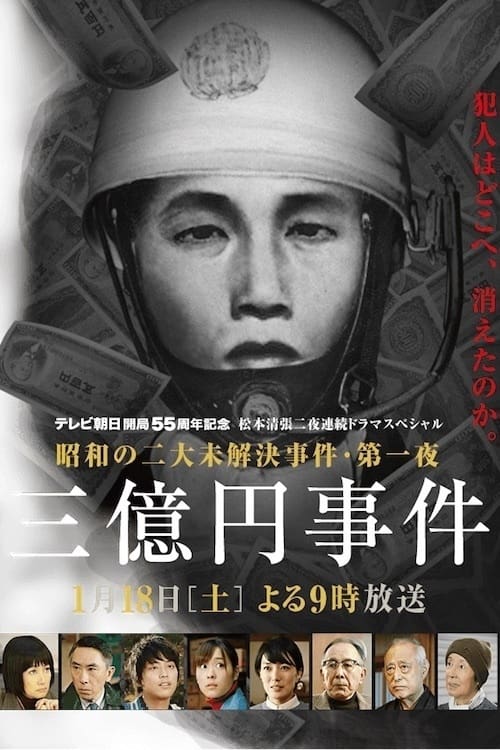
In the ending of "300 Million Yen Robbery," the main characters face the consequences of their actions after the heist. The mastermind, Kuroda, is ultimately caught by the police, while his accomplices deal with their own fates. The film concludes with a sense of inevitability and the weight of their choices hanging heavily over them.
As the final act unfolds, the tension escalates. Kuroda, who has been orchestrating the robbery with meticulous planning, finds himself cornered. The police, having pieced together the clues, close in on him. In a dimly lit warehouse, Kuroda stands alone, the shadows reflecting his internal conflict. He grapples with the realization that his ambition has led him to this moment of isolation. The weight of his decisions presses down on him, and he reflects on the lives affected by his greed.
Meanwhile, his accomplices, who initially shared in the thrill of the heist, begin to fracture under the pressure. One of them, a young man named Takashi, is filled with regret. He remembers the innocent lives they disrupted and the chaos they unleashed. In a moment of desperation, he attempts to flee, but the police are already on high alert. His internal struggle is palpable as he weighs his loyalty to Kuroda against his own moral compass.
As the police storm the warehouse, Kuroda makes a final stand. He confronts the officers, his bravado crumbling as he realizes the futility of his situation. The camera captures the moment in slow motion, emphasizing the gravity of his downfall. Kuroda is arrested, his dreams of wealth and power shattered. The scene is heavy with silence, punctuated only by the sound of handcuffs clicking shut.
In a parallel scene, Takashi is apprehended as well. He looks back at Kuroda, a mix of anger and disappointment in his eyes. The bond they once shared is now tainted by betrayal and regret. The police lead him away, and he is left to ponder the choices that led him to this point.
The film closes with a montage of the aftermath. News reports flash across the screen, detailing the fallout from the robbery. Families affected by the crime are shown, their lives irrevocably changed. Kuroda and Takashi's fates serve as a stark reminder of the consequences of their actions. The screen fades to black, leaving the audience with a lingering sense of the moral complexities surrounding ambition, loyalty, and the cost of greed.
Is there a post-credit scene?
In the movie "300 Million Yen Robbery," there is no post-credit scene. The film concludes its narrative without any additional scenes or content after the credits roll. The story wraps up with the resolution of the main plot, focusing on the aftermath of the robbery and the characters' fates, leaving the audience with a sense of closure regarding the events that transpired.
Who are the main characters involved in the 300 million yen robbery?
The main characters include a group of thieves led by a mastermind named Kuroda, who is determined to execute a meticulously planned heist. Other key characters include his accomplices, each with their own motivations and backgrounds, as well as the police officers who are trying to solve the case.
What motivates Kuroda to plan the robbery?
Kuroda is driven by a combination of personal desperation and a desire for freedom from his mundane life. He sees the robbery as a way to escape his financial troubles and to assert control over his destiny, believing that this heist will change his life forever.
How does the heist unfold during the film?
The heist unfolds with a series of carefully orchestrated steps, showcasing the thieves' preparation and execution. Tension builds as they encounter unexpected obstacles, including security measures and the presence of law enforcement, leading to moments of high suspense and adrenaline.
What role does the police play in the story?
The police play a crucial role as they work tirelessly to track down the thieves. Their investigation reveals the complexities of the heist and the motivations behind it, creating a cat-and-mouse dynamic that heightens the stakes for both the criminals and law enforcement.
What are the consequences faced by the characters after the robbery?
After the robbery, the characters face various consequences that reflect their choices and actions. Some experience guilt and paranoia, while others deal with the fallout of their criminal activities, leading to a range of emotional and psychological struggles as they confront the reality of their decisions.
Is this family friendly?
The movie "300 Million Yen Robbery" contains several elements that may not be suitable for children or sensitive viewers. Here are some potentially objectionable aspects:
-
Violence: There are scenes depicting criminal activities, including robbery and confrontations that may involve physical altercations. The portrayal of violence can be intense and may be distressing.
-
Crime Themes: The central plot revolves around a heist, which includes discussions and depictions of illegal activities. This may not be appropriate for younger audiences.
-
Emotional Turmoil: Characters experience significant emotional distress, including fear, desperation, and betrayal. These themes can be heavy and may be upsetting for sensitive viewers.
-
Mature Language: The dialogue may include strong language or adult themes that could be inappropriate for children.
-
Tense Situations: The film builds suspense through high-stakes scenarios that may create anxiety or fear, particularly for younger viewers.
Overall, the film's themes and content may be more suitable for mature audiences.








