




Popular
What role did Alan Turing play in breaking the Enigma code?
How did Turing's personal life affect his work during the war?
What was the significance of Turing's relationship with Joan Clarke?
What challenges did Turing face from his colleagues at Bletchley Park?
How did Turing's work impact the outcome of World War II?
Should I watch it?
Ask Your Own Question

What is the plot?
Sorry, we aren't able to watch and write up a full detailed plot yet. Check back in a few days.
More Movies Like This
Browse All Movies →




What is the ending?
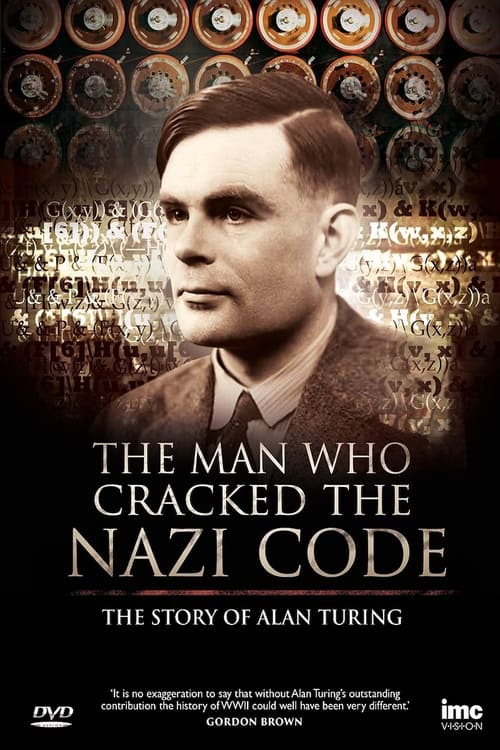
In the ending of "The Man Who Cracked the Nazi Code: The Story of Alan Turing," Alan Turing faces the consequences of his homosexuality in a society that criminalizes it. After being convicted, he chooses chemical castration over prison. The film concludes with Turing's tragic suicide, highlighting the profound impact of societal rejection and personal turmoil.
As the final scenes unfold, we see Alan Turing, portrayed with a mix of brilliance and vulnerability, grappling with the aftermath of his conviction. The narrative shifts to a somber tone, reflecting the weight of his isolation. Turing, once celebrated for his groundbreaking work in breaking the Enigma code, now finds himself ostracized and tormented by the very society he helped save during World War II.
In a poignant scene, Turing is shown in a sterile, clinical environment, undergoing the chemical treatment that is meant to suppress his sexual orientation. The camera lingers on his face, capturing the deep sense of loss and despair that washes over him. He is stripped of his autonomy, a brilliant mind reduced to a mere subject of experimentation. The emotional turmoil is palpable as he reflects on the choices he has been forced to make, revealing the internal conflict between his identity and societal expectations.
As the story progresses, we witness Turing's interactions with his close friend, Joan Clarke. Their relationship, once filled with warmth and understanding, is now tinged with sadness. Joan, played with a sense of compassion, tries to reach out to Turing, but the barriers of his shame and the stigma surrounding his identity create an insurmountable distance. Their conversations are filled with unspoken words, a longing for connection that is overshadowed by the harsh realities of their world.
The film then transitions to a series of flashbacks, juxtaposing Turing's past achievements with his present suffering. We see him in the war room at Bletchley Park, surrounded by colleagues, working tirelessly to decipher the Enigma code. The camaraderie and excitement of those moments starkly contrast with his current isolation. The audience is reminded of the sacrifices he made for his country, and the irony of his situation becomes painfully clear.
In the final moments, Turing's internal struggle culminates in a heartbreaking decision. The film depicts his solitary life, filled with a sense of hopelessness. In a haunting scene, he is shown in his home, surrounded by the remnants of his once-brilliant mind. The camera captures the stillness of the room, emphasizing the weight of his despair. Turing ultimately takes his own life, leaving behind a legacy that is both tragic and profound.
As the credits roll, the film leaves viewers with a lingering sense of loss. The fate of Alan Turing serves as a stark reminder of the consequences of intolerance and the importance of acceptance. Joan Clarke, along with other characters, is left to grapple with the impact of Turing's death, reflecting on the brilliance that was lost and the societal failures that contributed to his tragic end. The film closes on a note of somber reflection, urging the audience to remember Turing not just as a codebreaker, but as a man who suffered greatly for being true to himself in a world that refused to accept him.
Is there a post-credit scene?
The movie "The Man Who Cracked the Nazi Code: The Story of Alan Turing" does not feature a post-credit scene. The film concludes with a poignant reflection on Alan Turing's legacy and the impact of his work on the war and the field of computer science. The final moments emphasize the tragic aspects of his life, including the societal rejection he faced due to his sexuality, leaving viewers with a sense of both admiration for his genius and sorrow for his fate. The credits roll without any additional scenes or content following them.
What role did Alan Turing play in breaking the Enigma code?
Alan Turing was a pivotal figure in the effort to break the Enigma code used by the Nazis during World War II. He developed a machine, known as the Bombe, which was designed to decipher the encrypted messages. Turing's analytical skills and innovative thinking allowed him to understand the complexities of the code, ultimately leading to significant breakthroughs that aided the Allied forces.
How did Turing's personal life affect his work during the war?
Turing's personal life, particularly his struggles with his identity as a gay man in a repressive society, deeply affected his emotional state and interactions with colleagues. His isolation and the fear of being discovered created a sense of urgency and desperation in his work. Despite his brilliance, Turing often felt misunderstood and alienated, which fueled his determination to prove his worth through his contributions to the war effort.
What was the significance of Turing's relationship with Joan Clarke?
Joan Clarke was not only a fellow cryptanalyst but also a close confidante and romantic interest of Alan Turing. Their relationship highlighted Turing's emotional vulnerabilities and his struggle with intimacy. Joan's intelligence and support provided Turing with a sense of companionship, and her acceptance of his identity offered him a rare glimpse of normalcy amidst the chaos of war and his personal battles.
What challenges did Turing face from his colleagues at Bletchley Park?
At Bletchley Park, Turing faced skepticism and resistance from some of his colleagues, who were initially doubtful of his unconventional methods and ideas. His intense focus and social awkwardness often led to misunderstandings, creating tension within the team. Despite these challenges, Turing's relentless pursuit of the truth and his innovative approaches eventually earned him respect and recognition for his contributions.
How did Turing's work impact the outcome of World War II?
Turing's work in breaking the Enigma code had a profound impact on the outcome of World War II. By deciphering Nazi communications, Turing and his team provided crucial intelligence that allowed the Allies to anticipate enemy movements and strategies. This intelligence significantly shortened the war and saved countless lives, underscoring the importance of Turing's contributions to the Allied victory.
Is this family friendly?
The Man Who Cracked the Nazi Code: The Story of Alan Turing, produced in 2014, contains several elements that may be considered objectionable or upsetting for children or sensitive viewers. Here are some aspects to be aware of:
-
Themes of War and Violence: The backdrop of World War II includes references to the violence and destruction caused by the conflict, which may be distressing for younger audiences.
-
Mental Health Struggles: The film explores Alan Turing's struggles with mental health, including moments of deep emotional turmoil and societal rejection, which could be heavy for sensitive viewers.
-
Discrimination and Prejudice: There are scenes that depict the discrimination faced by Turing due to his sexuality, including societal stigma and legal repercussions, which may be difficult for some viewers to process.
-
Suicide and Self-Harm: The film touches on themes of suicide and self-harm, particularly in relation to Turing's tragic fate, which could be upsetting for younger audiences or those sensitive to such topics.
-
Intense Emotional Scenes: There are moments of intense emotional conflict, including Turing's isolation and the impact of his work on his personal relationships, which may evoke strong feelings.
These elements contribute to the film's serious tone and may not be suitable for all viewers, particularly children.









