








Popular
What motivated Aaron Swartz to download academic articles from JSTOR?
How did Aaron Swartz's early experiences with technology shape his character?
What were the consequences of Aaron Swartz's arrest for his actions?
How did Aaron Swartz's friends and family react to his legal troubles?
What role did Aaron Swartz's activism play in his life and the events of the film?
Should I watch it?
Ask Your Own Question

What is the plot?
Sorry, we aren't able to watch and write up a full detailed plot yet. Check back in a few days.




What is the ending?
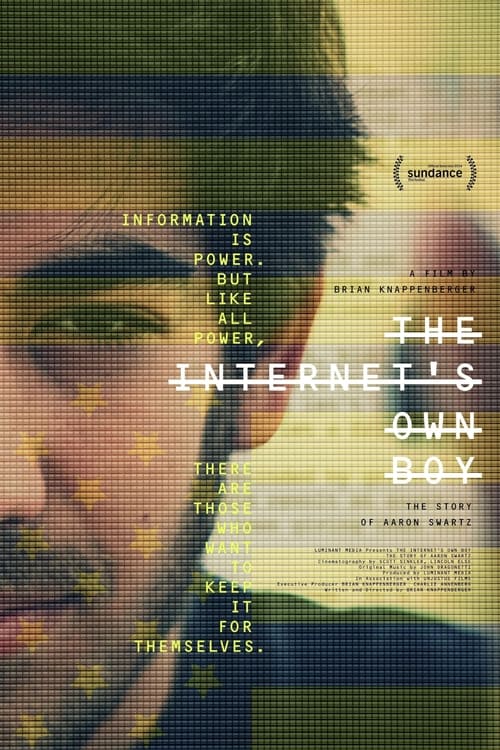
In the ending of "The Internet's Own Boy: The Story of Aaron Swartz," Aaron Swartz, a brilliant computer programmer and internet activist, tragically takes his own life in January 2013. His death is a profound loss felt by his family, friends, and the broader community that admired his work. The film concludes with reflections on his legacy, the injustices he faced, and the ongoing fight for internet freedom and access to information.
As the film approaches its conclusion, it shifts to a somber tone, focusing on the events leading up to Aaron's death. The narrative begins with a montage of Aaron's life, showcasing his early brilliance and passion for technology and activism. We see him as a young boy, coding and creating, and later as a teenager who co-founded Reddit and became involved in various projects advocating for open access to information.
The film then delves into the legal troubles that plagued Aaron in the years leading up to his death. It details the federal charges he faced for downloading a large number of academic articles from JSTOR, a case that became emblematic of the struggle between information access and legal restrictions. The prosecution's aggressive stance, which included the possibility of decades in prison, weighs heavily on Aaron. We witness his emotional turmoil through interviews with friends and family, who describe his increasing anxiety and despair as the legal battle escalates.
In the weeks before his death, Aaron's mental state deteriorates. The film captures moments of vulnerability, showing him grappling with feelings of isolation and hopelessness. His friends express concern, recalling conversations where he seemed overwhelmed by the pressure of the case and the implications it had for his life and work. Despite the support from his loved ones, the relentless nature of the legal system takes a toll on him.
The climax of the film arrives with the devastating news of Aaron's suicide on January 11, 2013. The scene is marked by a profound silence, punctuated by the reactions of those who knew him. His family is shown in deep mourning, struggling to comprehend the loss of someone so talented and passionate. Friends and fellow activists reflect on his impact, sharing their grief and the void left by his absence.
In the aftermath of his death, the film highlights the conversations sparked by Aaron's story. It emphasizes the need for reform in how the legal system handles cases involving technology and information access. The final scenes feature tributes to Aaron, showcasing the ongoing efforts of activists who continue to fight for the ideals he championed. The film closes with a powerful message about the importance of open access to information and the need to honor Aaron's legacy by continuing the fight for a more equitable digital world.
The fate of the main characters is marked by loss and reflection. Aaron's family is left to navigate their grief while advocating for change in his honor. Friends and fellow activists are inspired to carry on his work, ensuring that his vision for a more open and accessible internet lives on. The film leaves viewers with a poignant reminder of the cost of fighting for justice and the importance of supporting those who dare to challenge the status quo.
Is there a post-credit scene?
The movie "The Internet's Own Boy: The Story of Aaron Swartz" does not have a post-credit scene. The film concludes with a poignant reflection on Aaron's life, his contributions to the internet and activism, and the impact of his tragic death. The final moments emphasize the legacy he left behind and the ongoing fight for open access to information, leaving viewers with a sense of both loss and inspiration. The credits roll over a backdrop of images and quotes related to Aaron's work and ideals, reinforcing the themes of the film without any additional scenes after the credits.
What motivated Aaron Swartz to download academic articles from JSTOR?
Aaron Swartz was driven by a deep belief in the free access to information and knowledge. He viewed the paywalls of academic journals as a barrier to education and believed that research funded by public money should be accessible to everyone. This conviction led him to download a large number of articles from JSTOR, which he intended to make freely available.
How did Aaron Swartz's early experiences with technology shape his character?
From a young age, Aaron Swartz displayed a remarkable aptitude for technology and programming. His early involvement with the development of RSS feeds and his work with Creative Commons instilled in him a sense of purpose and a desire to use technology for social good. These experiences shaped his identity as a passionate advocate for open access and internet freedom.
What were the consequences of Aaron Swartz's arrest for his actions?
Following his arrest for downloading JSTOR articles, Aaron Swartz faced severe legal repercussions, including multiple felony charges that could have led to a lengthy prison sentence and substantial fines. The pressure of the legal battle took a significant emotional toll on him, contributing to his feelings of isolation and despair.
How did Aaron Swartz's friends and family react to his legal troubles?
Aaron's friends and family were deeply concerned about his well-being during the legal proceedings. They expressed feelings of helplessness and frustration at the overwhelming nature of the charges against him. His close friends, including fellow activists and colleagues, rallied to support him, but they also witnessed the toll that the legal fight took on his mental health.
What role did Aaron Swartz's activism play in his life and the events of the film?
Aaron Swartz's activism was central to his identity and the narrative of the film. His efforts to promote open access to information, internet freedom, and social justice were not just hobbies but core aspects of his life. His activism often put him at odds with powerful institutions, and it was this commitment to his principles that ultimately led to his legal troubles and tragic end.
Is this family friendly?
The Internet's Own Boy: The Story of Aaron Swartz contains several elements that may be considered objectionable or upsetting for children or sensitive viewers. Here are some aspects to be aware of:
-
Mental Health Struggles: The film delves into Aaron Swartz's battles with depression and anxiety, which may be distressing for viewers who have experienced similar issues or are sensitive to mental health topics.
-
Legal Troubles: There are scenes depicting the intense legal battles Aaron faced, including discussions of charges that could lead to severe penalties. The stress and pressure of these situations are palpable and may be unsettling.
-
Suicide: The film addresses Aaron's tragic death by suicide, which is a central theme. This topic is handled with sensitivity but can be very emotional and triggering for some viewers.
-
Emotional Distress: Various scenes show the emotional toll that Aaron's legal issues and personal struggles take on him and his family, which may evoke strong feelings of sadness or empathy.
-
Conflict with Authorities: The portrayal of Aaron's confrontations with law enforcement and the legal system can be intense, highlighting themes of injustice and the impact of power dynamics.
These elements contribute to the film's serious tone and may not be suitable for younger audiences or those who are particularly sensitive to such topics.








