







Popular
What are the main character's motivations throughout the film?
What role does the setting play in the development of the story?
How does Valeria's relationship with her family evolve during the film?
How do the supporting characters impact Valeria's journey?
What challenges does Valeria face upon returning to her hometown?
Should I watch it?
Ask Your Own Question

What is the plot?
Sorry, we aren't able to watch and write up a full detailed plot yet. Check back in a few days.






What is the ending?
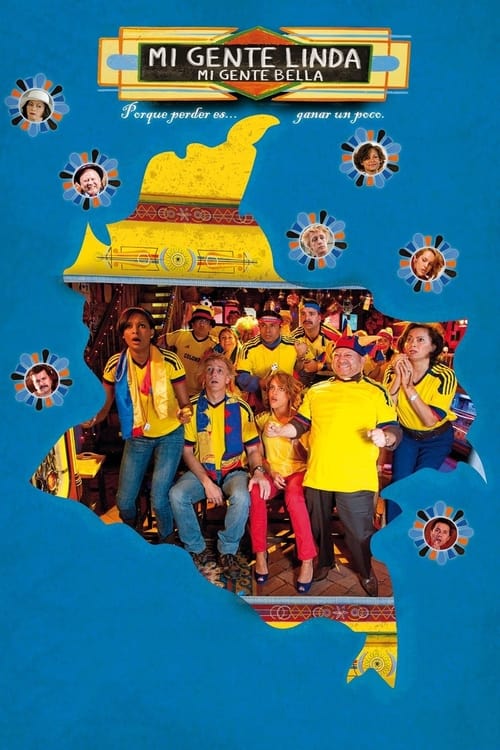
In the ending of "Mi gente linda, mi gente bella," the characters confront their personal struggles and relationships, leading to a resolution that emphasizes the importance of community and connection. The film concludes with a sense of hope and renewal as the characters find their paths forward.
As the final act unfolds, we see the characters grappling with their choices and the consequences of their actions. The community gathers for a celebration, symbolizing unity and resilience. Each character reflects on their journey, leading to moments of reconciliation and understanding. The film closes with a poignant scene that encapsulates the themes of love, family, and the strength found in togetherness.
The ending of "Mi gente linda, mi gente bella" begins with a palpable tension in the air as the community prepares for a significant celebration. The sun sets, casting a warm glow over the gathering, and the sounds of laughter and music fill the atmosphere. The camera pans across the faces of the townspeople, capturing their anticipation and excitement, but also the underlying struggles they have faced throughout the film.
In the first scene, we find the protagonist, a young woman named Valeria, standing at the edge of the celebration, her expression a mix of hope and uncertainty. She has just reconciled with her estranged father, who has been a source of pain and conflict in her life. As she watches the festivities, her heart swells with a sense of belonging, yet she is still haunted by the past. Valeria takes a deep breath, steeling herself to fully embrace this moment of connection.
Next, we shift to the character of Miguel, Valeria's childhood friend, who has been grappling with his own demons. He stands apart from the crowd, wrestling with feelings of inadequacy and fear of rejection. However, as he observes Valeria's transformation and the joy around him, he begins to realize that he is not alone. The camera captures a close-up of his face, revealing a flicker of determination as he decides to join the celebration, symbolizing his choice to confront his fears.
As the festivities commence, the community comes together to share stories, dance, and celebrate their shared heritage. The vibrant colors of traditional clothing and the rhythmic sounds of music create a lively backdrop. Valeria and Miguel find themselves drawn to each other, their shared history and experiences creating a bond that is both comforting and exhilarating. They share a dance, and in that moment, the weight of their pasts begins to lift, replaced by a sense of hope for the future.
Meanwhile, we see the character of Rosa, Valeria's mother, who has been a pillar of strength throughout the film. She watches her daughter with pride, her heart filled with a mix of joy and nostalgia. Rosa reflects on the sacrifices she has made for her family, and as she sees Valeria thriving, she feels a sense of fulfillment. The camera captures her tearful smile, emphasizing the emotional weight of this moment.
As the night progresses, the community gathers for a final toast, led by the town elder, who speaks about the importance of unity and resilience. His words resonate deeply with the characters, reminding them of the strength they draw from one another. Valeria, Miguel, and Rosa stand together, their hands intertwined, symbolizing their commitment to support each other moving forward.
The film concludes with a sweeping shot of the celebration, the laughter and music echoing into the night. Valeria, Miguel, and Rosa share a quiet moment, their faces illuminated by the soft glow of lanterns. They look towards the horizon, filled with a sense of possibility and hope. The screen fades to black, leaving the audience with a lingering sense of connection and the understanding that, despite their struggles, they have found a way to move forward together.
Is there a post-credit scene?
"Mi gente linda, mi gente bella," produced in 2012, does not feature a post-credit scene. The film concludes its narrative without any additional scenes or content after the credits roll. The story wraps up with a focus on the emotional resolutions of the characters, leaving the audience with a sense of closure regarding their journeys and relationships.
What are the main character's motivations throughout the film?
The main character, a young woman named Valeria, is driven by her desire to reconnect with her roots and her family. She feels a deep sense of longing for her hometown and the people she left behind, which propels her journey back to her community.
What role does the setting play in the development of the story?
The setting, a vibrant small town filled with colorful markets and traditional festivals, serves as a backdrop that highlights the cultural richness of Valeria's heritage. It influences her emotional journey, as the familiar sights and sounds evoke memories and feelings of belonging.
How does Valeria's relationship with her family evolve during the film?
Valeria's relationship with her family is initially strained due to her long absence and the changes in her life. As she spends time with them, she begins to understand their struggles and the importance of family bonds, leading to a heartfelt reconciliation.
How do the supporting characters impact Valeria's journey?
Supporting characters, such as her childhood friend and her grandmother, play crucial roles in Valeria's journey. They provide her with guidance, support, and a sense of community, helping her to rediscover her identity and the values she had forgotten.
What challenges does Valeria face upon returning to her hometown?
Upon returning, Valeria faces several challenges, including the disapproval of some community members who question her choices and her struggle to adapt to the slower pace of life. These obstacles force her to confront her past and ultimately shape her growth throughout the film.
Is this family friendly?
"Mi gente linda, mi gente bella" is a film that explores themes of family, love, and the complexities of life in a vibrant community. While it is generally family-friendly, there are a few aspects that might be considered objectionable or upsetting for children or sensitive viewers:
-
Emotional Turmoil: The film delves into deep emotional struggles, including themes of loss and longing, which may be intense for younger audiences.
-
Conflict and Tension: There are scenes of interpersonal conflict that may involve raised voices or arguments, reflecting the challenges within family dynamics.
-
Socioeconomic Struggles: The portrayal of poverty and hardship may be distressing for some viewers, as it highlights the struggles of the characters in their daily lives.
-
Cultural References: Some cultural nuances and references may be difficult for younger viewers to understand, potentially leading to confusion.
-
Mature Themes: The film touches on adult themes such as relationships and personal sacrifice, which may not be fully grasped by children.
Overall, while the film carries a heartfelt message, its emotional depth and certain themes may require parental guidance for younger viewers.









