


Popular
What challenges do the main characters face while living on one dollar a day?
How do the characters adapt their daily routines to survive on such a limited budget?
What role does the local community play in the characters' experience of poverty?
How do the characters' perceptions of poverty change throughout the film?
What specific events highlight the emotional struggles of the characters during their experiment?
Should I watch it?
Ask Your Own Question

What is the plot?
Sorry, we aren't able to watch and write up a full detailed plot yet. Check back in a few days.








What is the ending?
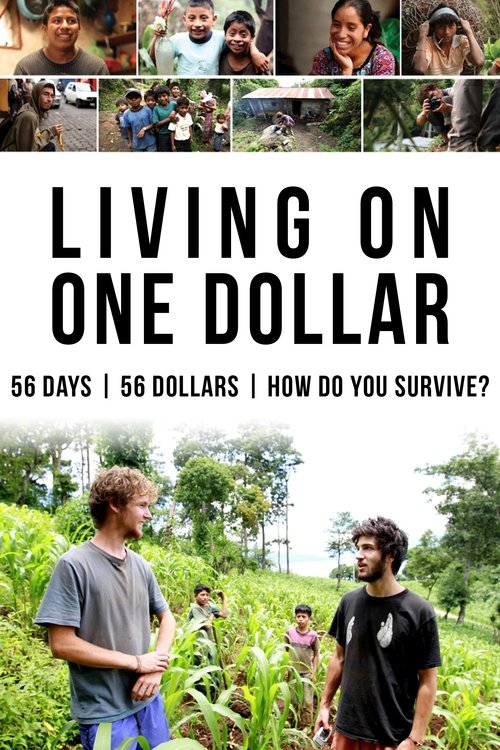
In the ending of "Living on One Dollar," the main characters, Zach, Chris, Sean, and their friend, a local named Alberto, reflect on their experiences living in extreme poverty in Guatemala. They successfully complete their month-long challenge of living on just one dollar a day. The film concludes with them sharing their insights and the impact of their journey, emphasizing the importance of understanding poverty and the resilience of those who live in it.
As the film approaches its conclusion, the narrative unfolds with the four friends, Zach, Chris, Sean, and Alberto, sitting together in a modest setting, their faces illuminated by the soft glow of the evening light. They have just completed their month-long experiment of living on one dollar a day in rural Guatemala, a journey that has tested their limits and reshaped their perspectives on life and poverty.
Scene by scene, the emotional weight of their experiences begins to surface. The friends reflect on the challenges they faced, from the constant struggle to find enough food to the overwhelming stress of financial insecurity. They recount moments of hunger, the difficulty of accessing basic necessities, and the emotional toll it took on them. Each character shares personal anecdotes, revealing their internal struggles and the lessons learned throughout the month. Zach, often the most vocal, expresses a deep sense of empathy for the local people, particularly for Alberto, who has been a guiding figure throughout their journey.
As they discuss their experiences, the camera captures their expressions--some filled with sorrow, others with newfound determination. They acknowledge the resilience of the Guatemalan people, who, despite their hardships, continue to find joy and community in their lives. The friends realize that their month of living on a dollar a day was not just an experiment but a profound awakening to the realities of poverty.
In a poignant moment, they gather with Alberto, who has shared his life story with them. The bond they formed during this time is palpable, and they express gratitude for his friendship and insights. Alberto, who has faced his own struggles, shares his hopes for the future, emphasizing the importance of education and opportunity. The friends promise to carry these lessons with them, vowing to advocate for change and to raise awareness about poverty.
As the film draws to a close, the friends reflect on their journey, their faces a mix of exhaustion and enlightenment. They understand that while they have returned to their lives in the United States, the impact of their experience will stay with them forever. The final scenes show them back in their familiar surroundings, yet they are changed individuals, more aware of the struggles faced by others and committed to making a difference.
In the end, Zach, Chris, Sean, and Alberto part ways with a sense of hope and purpose. They have not only completed their challenge but have also forged a deeper understanding of the complexities of poverty and the strength of the human spirit. The film concludes with a powerful message about empathy, resilience, and the importance of community, leaving the audience with a lasting impression of the realities faced by those living in extreme poverty.
Is there a post-credit scene?
"Living on One Dollar," produced in 2013, does not contain a post-credit scene. The documentary focuses on the experiences of four friends--Zach Ingrasci, Chris Temple, Sean Leonard, and Laura D'Apolito--as they immerse themselves in the lives of impoverished communities in Guatemala. The film concludes with a reflection on their journey and the lessons learned about poverty, resilience, and the human spirit, but there are no additional scenes or content after the credits roll.
What challenges do the main characters face while living on one dollar a day?
The main characters, Zach Ingrasci, Chris Temple, Sean Leonard, and their friend, encounter numerous challenges while living on one dollar a day in rural Guatemala. They struggle to find enough food to eat, often resorting to basic staples like beans and rice. They face the harsh realities of poverty, including limited access to clean water, inadequate shelter, and the constant threat of illness. Their emotional states fluctuate between hope and despair as they navigate these difficulties, often feeling overwhelmed by the weight of their situation.
How do the characters adapt their daily routines to survive on such a limited budget?
To survive on one dollar a day, the characters meticulously plan their daily routines. They wake up early to maximize their time and resources. They learn to barter for goods and services, often trading their skills or labor in exchange for food. The group also becomes resourceful, finding ways to cook simple meals and stretch their limited supplies. Their adaptation process is marked by a mix of creativity and frustration, as they grapple with the constraints of their budget while trying to maintain their health and morale.
What role does the local community play in the characters' experience of poverty?
The local community plays a crucial role in the characters' experience of poverty. They meet various individuals who share their stories of hardship and resilience, providing insight into the daily struggles faced by those living in extreme poverty. The characters form connections with local families, learning about their lives and the community's efforts to support one another. These interactions evoke a range of emotions, from empathy to inspiration, as the characters witness the strength and solidarity of the community despite their dire circumstances.
How do the characters' perceptions of poverty change throughout the film?
Initially, the characters approach their experiment with a sense of curiosity and a desire to understand poverty. However, as they immerse themselves in the experience, their perceptions shift dramatically. They begin to grasp the complexities of poverty, realizing that it is not just about financial scarcity but also about the emotional and psychological toll it takes on individuals and families. Their initial naivety gives way to a deeper understanding of the systemic issues that perpetuate poverty, leading to feelings of guilt, compassion, and a commitment to advocate for change.
What specific events highlight the emotional struggles of the characters during their experiment?
Several specific events highlight the emotional struggles of the characters during their experiment. One poignant moment occurs when they witness a local family dealing with a medical emergency but unable to afford treatment, leaving the characters feeling helpless and frustrated. Another significant event is when they experience hunger pangs and fatigue, leading to moments of doubt about their ability to continue. Additionally, their interactions with local children, who display joy despite their circumstances, evoke a mix of sadness and admiration, forcing the characters to confront their own privilege and the emotional weight of their experience.
Is this family friendly?
"Living on One Dollar" is a documentary that follows four friends who travel to Guatemala to experience life on just one dollar a day, highlighting the struggles of poverty. While the film is generally family-friendly, there are some potentially objectionable or upsetting aspects that may affect children or sensitive viewers:
-
Poverty and Hardship: The film depicts the harsh realities of living in extreme poverty, including scenes of families struggling to meet basic needs such as food, water, and shelter. This may be distressing for younger viewers.
-
Emotional Struggles: The emotional weight of the characters' experiences can be heavy, as they witness the challenges faced by the local families. This may evoke feelings of sadness or discomfort.
-
Health Issues: There are discussions and depictions of health problems related to poverty, including malnutrition and lack of access to medical care, which could be upsetting for some viewers.
-
Cultural Differences: The film explores cultural differences and the impact of poverty on daily life, which may lead to moments of confusion or discomfort for younger audiences who are not familiar with these issues.
Overall, while the film aims to educate and inspire, its themes of poverty and struggle may require parental guidance for younger viewers.








