



Popular
What musical pieces from Holst's 'The Planets' are featured in the film?
How does the film visually represent the themes of each planet?
What role does the Philharmonia Orchestra play in the narrative of the film?
Are there any specific visual motifs associated with the character of 'Neptune' in the film?
How does the film depict the relationship between the music and the visuals during the 'Jupiter' segment?
Should I watch it?
Ask Your Own Question

What is the plot?
Sorry, we aren't able to watch and write up a full detailed plot yet. Check back in a few days.








What is the ending?
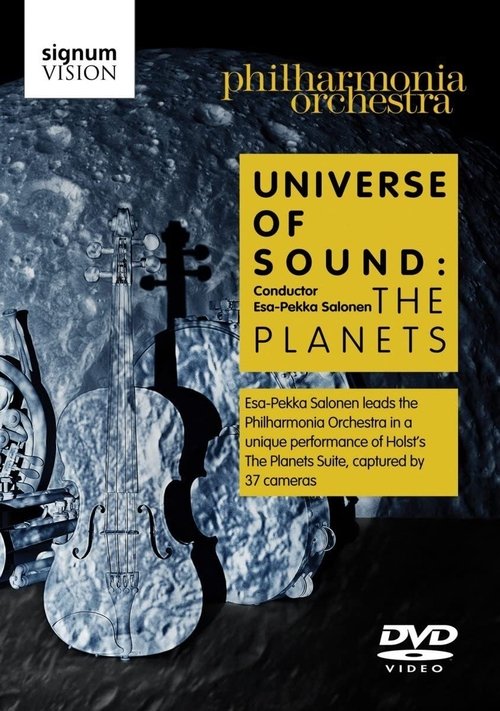
In the ending of "Universe of Sound - The Planets - Philharmonia Orchestra," the film culminates in a powerful orchestral performance of Gustav Holst's "The Planets." The audience is enveloped in a sensory experience that combines music with stunning visual imagery of the planets and the cosmos. The film concludes with a sense of awe and wonder, leaving viewers with a profound appreciation for the universe and the emotional depth of the music.
As the film approaches its conclusion, the atmosphere is charged with anticipation. The Philharmonia Orchestra, under the direction of a passionate conductor, prepares to deliver the final movements of Holst's "The Planets." The camera captures the musicians, each deeply focused, their expressions reflecting a mix of concentration and emotional investment in the music they are about to perform. The strings resonate with a rich, warm sound, while the brass section adds a bold, triumphant layer, creating a tapestry of sound that fills the concert hall.
Scene by scene, the performance unfolds. The first movement, "Mars, the Bringer of War," begins with a driving rhythm that evokes tension and urgency. The visuals on screen shift to dramatic images of war and conflict, enhancing the emotional weight of the music. The audience is visibly moved, some with furrowed brows, others with eyes wide in wonder, as they are drawn into the narrative of the piece.
As the performance transitions to "Venus, the Bringer of Peace," the mood softens. The orchestra's sound becomes lush and serene, and the visuals shift to tranquil scenes of nature and beauty. The audience's expressions change, reflecting a sense of calm and introspection. The conductor, fully immersed in the music, guides the orchestra with fluid movements, embodying the peace that the music conveys.
The film continues through each planet, showcasing the unique character of each movement. "Mercury, the Winged Messenger" is lively and playful, with quick, darting melodies that bring smiles to the faces of the audience. The visuals become whimsical, depicting the swift movements of the planet and its mythological associations.
As the performance reaches "Jupiter, the Bringer of Jollity," the music swells with grandeur. The orchestra plays with exuberance, and the visuals explode with vibrant colors and images of celebration. The audience is swept up in the joy of the moment, clapping along with the rhythm, their spirits lifted by the music.
The final movement, "Neptune, the Mystic," brings a sense of closure. The music becomes ethereal, with haunting melodies that evoke a feeling of mystery and transcendence. The visuals depict the vastness of space, with stars twinkling against a dark backdrop, inviting contemplation of the universe's infinite possibilities. As the last notes fade, the audience is left in a hushed reverence, absorbing the beauty of what they have just experienced.
In the closing moments of the film, the conductor raises his baton one last time, and the orchestra plays the final chord. The screen fades to black, leaving viewers with a lingering sense of wonder and connection to the cosmos. The fate of the characters--the musicians, the conductor, and the audience--intertwines in this shared experience, united by the power of music and the vastness of the universe. Each individual leaves the concert hall transformed, carrying with them the emotional resonance of Holst's masterpiece and a deeper appreciation for the beauty of existence.
Is there a post-credit scene?
The movie "Universe of Sound - The Planets - Philharmonia Orchestra," produced in 2013, does not contain a post-credit scene. The film focuses on an immersive experience that combines Gustav Holst's orchestral suite "The Planets" with stunning visual imagery, creating a captivating journey through the cosmos. The narrative is structured around the music and visuals, emphasizing the emotional and thematic elements of each planet represented in Holst's composition. As such, the film concludes with its final musical piece and visual presentation, leaving no additional scenes or content after the credits.
What musical pieces from Holst's 'The Planets' are featured in the film?
The film prominently features all seven movements of Gustav Holst's 'The Planets', including 'Mars, the Bringer of War', 'Venus, the Bringer of Peace', 'Mercury, the Winged Messenger', 'Jupiter, the Bringer of Jollity', 'Saturn, the Bringer of Old Age', 'Uranus, the Magician', and 'Neptune, the Mystic'.
How does the film visually represent the themes of each planet?
Each segment of the film uses stunning visual imagery that corresponds to the emotional and thematic essence of each planet. For instance, 'Mars' is depicted with intense, warlike visuals, while 'Venus' showcases serene and peaceful landscapes, creating a vivid connection between the music and the visuals.
What role does the Philharmonia Orchestra play in the narrative of the film?
The Philharmonia Orchestra serves as the central character of the film, bringing Holst's compositions to life through their performance. The musicians' expressions and interactions are captured, highlighting their emotional engagement with the music and the story being told through the orchestral pieces.
Are there any specific visual motifs associated with the character of 'Neptune' in the film?
Yes, 'Neptune' is characterized by ethereal and mystical visuals, including images of deep space and celestial bodies, which evoke a sense of mystery and the unknown. The segment culminates in a haunting choral performance that enhances the otherworldly atmosphere.
How does the film depict the relationship between the music and the visuals during the 'Jupiter' segment?
During the 'Jupiter' segment, the film showcases vibrant and uplifting visuals, such as expansive skies and joyful scenes of nature, which align with the grandeur and celebratory nature of the music. The synchronization of the orchestra's performance with the visuals creates an immersive experience that emphasizes the themes of joy and vitality.
Is this family friendly?
"Universe of Sound - The Planets - Philharmonia Orchestra" is a visually stunning and musically rich experience that is generally family-friendly. However, there are a few aspects that might be considered potentially objectionable or upsetting for children or sensitive viewers:
-
Dark Visuals: Some segments feature darker, more intense imagery that may evoke feelings of unease or anxiety, particularly during the more dramatic movements of the music.
-
Emotional Themes: The film explores themes of conflict, chaos, and the vastness of space, which may be overwhelming for younger viewers or those sensitive to existential concepts.
-
Loud Music: The orchestral score can be quite powerful and loud, which might startle some children or those who are sensitive to loud sounds.
-
Imagery of Destruction: Certain visual representations may include abstract depictions of destruction or chaos, which could be interpreted as unsettling.
Overall, while the film is designed to be an artistic and educational experience, parents may want to consider these elements when deciding if it is suitable for their children.