







Popular
Who are the main wrestling managers featured in the documentary?
What specific anecdotes do the managers share about their careers?
How do the managers describe their relationships with the wrestlers they managed?
What impact did these managers have on the wrestling industry according to the documentary?
Are there any notable rivalries or collaborations mentioned among the managers?
Should I watch it?
Ask Your Own Question

What is the plot?
Sorry, we aren't able to watch and write up a full detailed plot yet. Check back in a few days.








What is the ending?
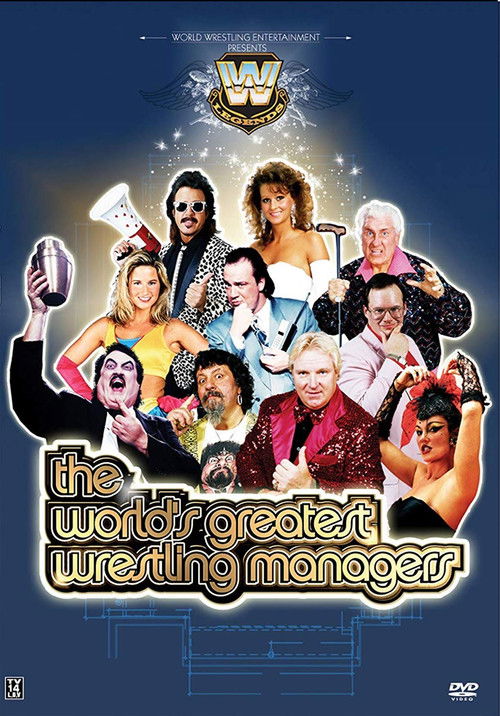
The ending of "The World's Greatest Wrestling Managers" features a series of reflections and highlights from the careers of various wrestling managers, showcasing their contributions to the sport and their relationships with the wrestlers they managed. The film concludes with a celebration of their legacies, emphasizing the importance of their roles in wrestling history.
In a more detailed narrative, the film's conclusion unfolds as follows:
As the documentary nears its end, the screen transitions to a montage of iconic moments from the careers of legendary wrestling managers. The visuals are vibrant, filled with clips of managers like Bobby "The Brain" Heenan, Jimmy Hart, and Paul Heyman, each showcasing their unique styles and the wrestlers they guided to fame. The audience is treated to a blend of classic wrestling matches, backstage antics, and heartfelt interviews, all underscored by a nostalgic soundtrack that evokes the golden age of wrestling.
The first scene in this montage features Bobby Heenan, known for his sharp wit and cunning strategies. Clips of Heenan at ringside, passionately cheering for his wrestlers while simultaneously plotting against their opponents, flash across the screen. His emotional investment in the matches is palpable, and the audience can sense his pride as he reflects on his career. Heenan's voiceover reveals his deep love for wrestling and the joy he found in being a part of the spectacle.
Next, the film shifts to Jimmy Hart, the "Mouth of the South." The scene captures Hart's flamboyant personality, complete with his trademark megaphone. Clips of him rallying his wrestlers and engaging with fans highlight his charisma and showmanship. Hart shares anecdotes about his time in the wrestling business, emphasizing the importance of connection with the audience and the wrestlers he managed. His enthusiasm is infectious, and the audience can feel the energy he brought to the ring.
The narrative then transitions to Paul Heyman, whose intense passion for wrestling is evident in his interviews. The film showcases his ability to craft compelling storylines and his knack for promoting his wrestlers. Heyman's reflections reveal a deep understanding of the wrestling business, and he articulates the challenges and triumphs he faced throughout his career. The scenes of him at the mic, delivering electrifying promos, serve as a testament to his impact on the industry.
As the montage continues, the film intersperses clips of various wrestling matches, highlighting the pivotal moments that these managers influenced. The audience witnesses the dramatic highs and lows of wrestling, from triumphant victories to heartbreaking defeats, all while the managers stand by their wrestlers, embodying loyalty and dedication.
The final scenes of the film bring all the managers together in a celebratory gathering, where they share stories and reminisce about their experiences. The camaraderie among them is evident, and the audience can sense the mutual respect they hold for one another. Each manager expresses gratitude for the role they played in shaping the careers of their wrestlers and the wrestling industry as a whole.
As the credits begin to roll, the film leaves viewers with a sense of nostalgia and appreciation for the art of wrestling management. The legacy of these managers is solidified, reminding the audience that behind every great wrestler is a manager who played a crucial role in their journey. The film concludes with a powerful message about the importance of teamwork, passion, and the indelible mark that these figures have left on the world of professional wrestling.
Is there a post-credit scene?
The World's Greatest Wrestling Managers, produced in 2006, does not feature a post-credit scene. The film primarily focuses on the careers and contributions of various wrestling managers, showcasing their unique styles and the impact they had on the wrestling industry. The documentary-style format wraps up with a comprehensive look at the legacies of these figures, leaving no additional scenes or content after the credits roll.
Who are the main wrestling managers featured in the documentary?
The documentary features several prominent wrestling managers, including Bobby 'The Brain' Heenan, Paul Heyman, Jim Cornette, and Freddie Blassie, each sharing their unique experiences and contributions to the wrestling industry.
What specific anecdotes do the managers share about their careers?
The managers share various anecdotes, such as Bobby Heenan recounting his early days in wrestling and the challenges he faced, while Paul Heyman discusses his innovative promotional strategies and the rise of ECW.
How do the managers describe their relationships with the wrestlers they managed?
The managers describe their relationships with wrestlers as deeply personal and professional, highlighting the trust and chemistry required to create compelling storylines and the emotional investment they had in their wrestlers' success.
What impact did these managers have on the wrestling industry according to the documentary?
The documentary illustrates how these managers shaped the wrestling industry by creating memorable characters, enhancing storylines, and elevating the overall entertainment value of wrestling through their unique personas and promotional skills.
Are there any notable rivalries or collaborations mentioned among the managers?
Yes, the documentary highlights notable rivalries and collaborations, such as the competitive dynamic between Jim Cornette and Paul Heyman, showcasing how their differing styles influenced their approaches to managing wrestlers.
Is this family friendly?
The World's Greatest Wrestling Managers is a documentary that explores the lives and careers of various wrestling managers, showcasing their contributions to the wrestling industry. While the film primarily focuses on interviews and historical footage, there are a few aspects that may be considered objectionable or upsetting for children or sensitive viewers:
-
Mild Language: Some interviews may contain mild profanity or suggestive language, typical of the wrestling industry.
-
Violence in Wrestling Clips: The documentary includes clips from wrestling matches that may feature staged violence, which could be unsettling for younger viewers or those sensitive to depictions of physical conflict.
-
Themes of Manipulation and Deception: The nature of wrestling managers often involves manipulation and psychological tactics, which might be difficult for younger audiences to fully understand.
-
Discussion of Controversial Topics: Some managers may discuss controversial aspects of wrestling, including rivalries and personal conflicts, which could be intense for sensitive viewers.
Overall, while the film is not overtly graphic or inappropriate, it does contain elements that may require parental guidance for younger audiences.