



















Popular
What motivates the main character, Arthur, to consider suicide throughout the film?
How does Arthur's relationship with his father influence his actions in the film?
What role does the character of the school counselor play in Arthur's journey?
How does Arthur's relationship with his love interest, the character of 'The Girl,' impact his mental state?
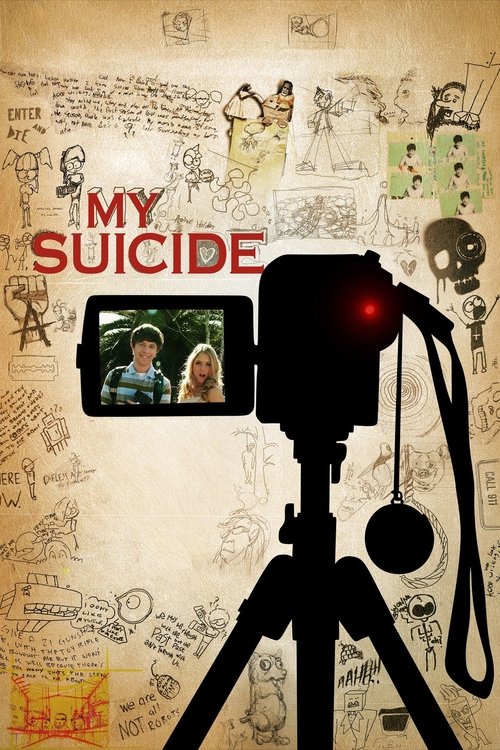
What significance does the film's use of video and filmmaking have in Arthur's story?
Should I watch it?
Ask Your Own Question

What is the plot?
Sorry, we aren't able to watch and write up a full detailed plot yet. Check back in a few days.








What is the ending?
In the ending of "My Suicide," the protagonist, a troubled teenager named Arthur, ultimately decides against taking his own life. Instead, he confronts his feelings and the complexities of his relationships, leading to a moment of clarity and hope. The film concludes with Arthur finding a sense of purpose and connection, suggesting a new beginning rather than an end.
As the film approaches its climax, Arthur is deeply entrenched in his project for school, which revolves around the theme of suicide. He has been documenting his thoughts and feelings, grappling with the weight of his own struggles and the pressures of adolescence. The emotional turmoil he experiences is palpable, as he feels isolated and misunderstood by his peers and family.
In the final scenes, Arthur's internal conflict reaches a peak. He is seen wandering through the school hallways, reflecting on his relationships with his friends, particularly with his love interest, the enigmatic girl named "The Girl." Their interactions have been fraught with tension, as Arthur has been unable to express his true feelings. The weight of his decision looms over him, and he contemplates the finality of his thoughts.
As the day progresses, Arthur's friends gather around him, each expressing their own struggles and vulnerabilities. This moment of camaraderie serves as a turning point for Arthur. He begins to realize that he is not alone in his pain; his friends are also dealing with their own issues, and they share a bond that transcends their individual struggles. This realization ignites a flicker of hope within him.
In a pivotal scene, Arthur stands on the rooftop of the school, a symbolic location representing both despair and potential freedom. As he prepares to take the final step, he is interrupted by the arrival of his friends, who reach out to him. Their genuine concern and support pull him back from the brink. In this moment, Arthur understands that his life has value and that he is loved, even if he has felt otherwise.
The film concludes with Arthur stepping back from the edge, choosing life over death. He embraces his friends, and the camera captures the warmth of their connection. The final shot shows Arthur walking away from the rooftop, a sense of relief washing over him. The weight of his decision lifts, and he begins to see a path forward, filled with possibilities and hope.
As for the fates of the other main characters, "The Girl" remains a significant figure in Arthur's life, representing the complexities of young love and the importance of emotional connection. His friends, who have rallied around him, also find strength in their shared experiences, suggesting that they will continue to support one another in their journeys. The film closes on a note of optimism, emphasizing the importance of friendship, understanding, and the choice to embrace life despite its challenges.
Is there a post-credit scene?
In the movie "My Suicide," there is no post-credit scene. The film concludes with its final moments, focusing on the emotional resolution of the characters and the themes of mental health and the impact of suicide. The narrative wraps up without any additional scenes or content after the credits roll, leaving the audience to reflect on the story and its messages.
What motivates the main character, Arthur, to consider suicide throughout the film?
Arthur, a high school student, grapples with feelings of isolation, depression, and the pressure of societal expectations. His struggles are compounded by the complexities of teenage life, including bullying, family issues, and a lack of genuine connections. These factors lead him to contemplate suicide as a means of escape.
How does Arthur's relationship with his father influence his actions in the film?
Arthur's relationship with his father is strained and complicated. His father, a former artist, is emotionally distant and often dismissive of Arthur's feelings. This lack of support and understanding from his father exacerbates Arthur's feelings of worthlessness and contributes to his suicidal thoughts, as he seeks validation and connection that he feels he lacks.
What role does the character of the school counselor play in Arthur's journey?
The school counselor, Ms. D, serves as a pivotal figure in Arthur's life. She attempts to provide guidance and support, encouraging him to express his feelings and confront his issues. However, Arthur's reluctance to open up and his internal struggles often hinder the effectiveness of her support, highlighting the challenges faced by those trying to help someone in crisis.
How does Arthur's relationship with his love interest, the character of 'The Girl,' impact his mental state?
The Girl represents a glimmer of hope and connection for Arthur. Their relationship is filled with moments of tenderness and understanding, which temporarily alleviates his feelings of loneliness. However, the complexities of teenage romance and the fear of rejection also add to his emotional turmoil, making him oscillate between hope and despair.
What significance does the film's use of video and filmmaking have in Arthur's story?
Arthur uses video as a means of expression and a way to document his thoughts and feelings. The act of filming becomes a coping mechanism for him, allowing him to explore his emotions and confront his suicidal ideation. The film's meta-narrative structure, where Arthur's story is intertwined with his filmmaking process, emphasizes the importance of storytelling in understanding and processing one's struggles.
Is this family friendly?
"My Suicide," produced in 2009, is not considered family-friendly due to its exploration of heavy and sensitive themes. Here are some potentially objectionable or upsetting aspects that may occur for children or sensitive viewers:
-
Suicidal Themes: The film revolves around a teenager contemplating suicide, which is a central and serious theme throughout the narrative.
-
Depression and Mental Health Issues: Characters display signs of depression and struggle with mental health, which may be distressing for some viewers.
-
Bullying: The protagonist faces bullying at school, leading to emotional distress and feelings of isolation.
-
Graphic Imagery: There are scenes that depict the protagonist's dark thoughts and fantasies, which may be unsettling.
-
Substance Use: The film includes references to drug use and partying, which may not be appropriate for younger audiences.
-
Violent Imagery: There are moments that may include violent or aggressive behavior, contributing to the film's darker tone.
-
Emotional Turmoil: The characters experience significant emotional pain, which may resonate deeply and be upsetting for sensitive viewers.
Overall, the film deals with complex and mature themes that may not be suitable for children or those who are sensitive to such topics.