

















Popular
What is the significance of the house in The Haunting in Connecticut?
How does the character of Matt Campbell change throughout the film?
What role does the character of Sara Campbell play in the story?
What is the connection between the haunting and the character of the psychic?
What are the main supernatural occurrences that the Campbell family experiences?
Should I watch it?
Ask Your Own Question

What is the plot?
In 1987, Sara Campbell drives her son Matt home from the hospital, the weight of his cancer treatment heavy in the air. Matt, pale and fragile, sits quietly in the car, his body weakened by chemotherapy. Sara and her husband Peter, a recovering alcoholic, discuss the toll the long trips to the hospital are taking on Matt, agreeing they must find a place closer to the treatment center. Their financial strain is palpable, but Sara's determination to ease Matt's suffering drives them forward.
Shortly afterward, Sara spots a large Victorian house with a "For Rent" sign outside. The man putting up the sign offers the first month free, hinting at the house's troubled past, but desperate, Sara agrees. The next day, Peter arrives with Matt's brother Billy and their cousins Wendy and Mary to move in. Matt chooses the basement room, drawn to its quiet solitude, but he is immediately unsettled by a mysterious locked door there. The house, they soon learn, was once a funeral home and mortuary, with a dark history lurking beneath its walls.
From the moment they settle in, Matt begins to experience terrifying visions. He sees corpses with strange symbols carved into their skin and their eyelids cruelly cut off. An old, bearded man appears repeatedly in his nightmares, a sinister figure haunting the corners of his mind. These visions isolate Matt, deepening the family's anxiety as they struggle to care for him. Peter, trying to maintain normalcy, investigates and discovers the house's grim past: it was run by Ramsey Aickman, a mortician who conducted psychic research and séances using his clairvoyant son, Jonah.
Late one night, Matt meets Nicholas Popescu, a local priest and fellow cancer patient at the hospital. Nicholas gives Matt his card, telling him, "If you ever need to talk, call me." This connection becomes a lifeline as Matt's supernatural experiences intensify.
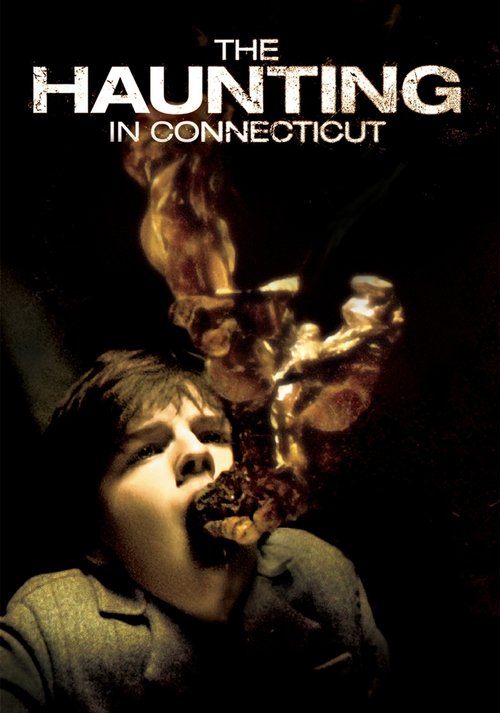
The family's tension escalates when Matt and Wendy find a box of old photographs hidden in the house. The pictures show Jonah Aickman during séances, his mouth emitting eerie ectoplasm, confirming the occult activities that once took place here. The photographs reveal the grim truth: during one séance, a demonic presence killed all participants, including Ramsey Aickman himself. Jonah vanished after that night, his fate unknown but ominous.
Matt and Nicholas begin to share simultaneous visions, bridging the gap between the living and the dead. Through these chilling glimpses, they uncover that the house's basement conceals more than just a mortuary; it hides the bodies of the dead, trapped within the walls and embalmed in formaldehyde. The spirits of those tortured linger, bound by dark rituals performed by Aickman to prevent their rest.
One night, as the family sleeps, the lights flicker and die. Mary, playing with her dolls, nervously asks for the lights to be turned back on. When they do, a withered hand with carved symbols appears behind her, a terrifying glimpse of the house's malevolent presence.
The hauntings grow more violent. Billy hides in the dumbwaiter during a game, only to find himself sharing the cramped space with the burnt ghost of Jonah, screaming in terror. The dumbwaiter, a small service elevator, becomes a symbol of entrapment and death. Jonah's spirit, once a medium for the occult, is revealed to have been trapped and burned alive in the crematory chamber hidden beneath the house after a séance went horribly wrong.
Matt's possession by Jonah's spirit becomes evident as he begins to act out violently. In a climactic scene, Matt wields an axe, breaking down the basement walls. The perspective shifts, revealing that Jonah's spirit is controlling Matt's body, desperate to end the torment. Matt retrieves bottles of formaldehyde and sets the mortuary and the embalmed bodies ablaze, the flames consuming the source of the hauntings.
As the fire rages, Matt crouches amid the inferno, surrounded by the spirits of the bound dead. Sara and Peter arrive with the fire department, frantically trying to rescue him from the flames. The tension is unbearable as they struggle to reach their son, who is both victim and vessel of the house's dark past.
The film closes with the spirits appearing to be released, their torment ended as Matt's ashes float away, symbolizing his release and the end of the haunting. The Campbell family, though scarred, survives the ordeal, their ordeal a stark reminder of the dangers lurking beneath seemingly ordinary homes.
Throughout the story, the Campbell family grapples not only with Matt's illness but with the supernatural horrors that intertwine with their personal tragedy. The house, once a place of death and dark rituals, becomes a battleground between the living and the dead, with Matt caught in the middle. The revelations about Ramsey Aickman's necromantic experiments, Jonah's tragic fate, and the trapped spirits culminate in a desperate act of destruction and release, ending the nightmare but leaving lasting scars on those who survived.








What is the ending?
In the ending of "The Haunting in Connecticut," the family confronts the malevolent spirit haunting their home. They discover the truth about the house's dark past and the tragic fate of the previous occupants. The climax unfolds as they perform a ritual to free themselves from the spirit's grasp. Ultimately, they succeed, but not without significant emotional and physical tolls. The family emerges from the ordeal, forever changed, with a sense of relief but also lingering trauma.
As the film approaches its climax, the tension escalates within the Connecticut house. The family, particularly the eldest son, Matt, is increasingly tormented by the spirit of a deceased boy named Jonah, who is revealed to be a victim of a sinister past involving a series of tragic events linked to the house. Matt's health deteriorates as he becomes more deeply entwined with the supernatural occurrences, experiencing vivid hallucinations and a growing connection to the spirit world.
In a pivotal scene, Matt's mother, Sara, along with his younger brother, begins to piece together the history of the house. They learn that it was once a funeral home, and the spirits of the deceased are restless, particularly Jonah, who is seeking help to escape the clutches of a malevolent force. This revelation drives Sara to seek the assistance of a paranormal expert, who arrives to help them confront the dark entity.
As the family gathers for the climactic confrontation, they prepare for a ritual intended to cleanse the house of its dark energy. The atmosphere is thick with fear and desperation as they set up the necessary items for the ritual, including candles and protective symbols. Matt, now fully aware of the danger, takes on a central role, determined to face the spirit that has haunted him.
During the ritual, the malevolent spirit manifests violently, attempting to thwart their efforts. The family experiences a series of terrifying events, including physical attacks and psychological torment. Matt, in a moment of bravery, confronts the spirit directly, revealing his understanding of Jonah's plight. He pleads for Jonah to let go of his anger and pain, urging him to find peace.
In a heart-wrenching moment, Matt connects with Jonah, and the two share a brief moment of understanding. This connection allows Jonah to release his hold on the house, leading to a climactic showdown with the dark entity that has been tormenting them. The house shakes violently, and the family is thrown into chaos as they fight to maintain their grip on reality.
Ultimately, the ritual succeeds, and the malevolent spirit is vanquished. The house falls silent, and the oppressive atmosphere lifts. The family, though battered and emotionally scarred, emerges from the ordeal with a newfound sense of unity and resilience. They realize that they have faced their fears together and have come out stronger on the other side.
In the aftermath, the family decides to leave the house, recognizing that it holds too many painful memories. They drive away, leaving the haunted past behind them. However, the emotional scars remain, particularly for Matt, who has been deeply affected by the experience. The film closes with a sense of ambiguity, suggesting that while they have escaped the physical hauntings, the emotional impact of their experiences will linger.
In summary, the fates of the main characters are as follows: Matt, though traumatized, finds a sense of closure and strength; Sara, the mother, emerges as a protector, having fought fiercely for her family; and the younger brother, who has witnessed the horrors, is left with a sense of innocence lost but also a bond with his family that has been solidified through their shared struggle. The family leaves the house behind, but the haunting memories of their experience will forever shape their lives.
Is there a post-credit scene?
The Haunting in Connecticut, produced in 2009, does not have a post-credit scene. The film concludes with the resolution of the family's haunting experiences, focusing on their escape from the malevolent forces in the house. After the climax, where the family confronts the dark history of the home and the spirits that inhabit it, the film wraps up without any additional scenes or hints at further developments after the credits roll. The ending emphasizes the relief and trauma experienced by the family, particularly focusing on the character of Matt, who has been deeply affected by the events.
What is the significance of the house in The Haunting in Connecticut?
The house in The Haunting in Connecticut serves as the central setting for the film, having previously been a funeral home. Its dark history is crucial to the plot, as it is revealed that the house is haunted by the spirits of the deceased who were prepared for burial there. This connection to death and the afterlife creates a chilling atmosphere and drives the supernatural occurrences that the family experiences.
How does the character of Matt Campbell change throughout the film?
Matt Campbell, portrayed by Kyle Gallner, undergoes significant emotional and psychological changes throughout the film. Initially, he is a typical teenager dealing with cancer and the stress of his family's move. As the haunting intensifies, Matt becomes increasingly tormented by the spirits in the house, leading him to confront his own mortality and the fear of death. His journey reflects a struggle for control over his life and a desire to protect his family from the malevolent forces.
What role does the character of Sara Campbell play in the story?
Sara Campbell, played by Amanda Crew, is Matt's supportive sister who becomes increasingly aware of the supernatural events occurring in their new home. Her character represents the innocence and vulnerability of youth, and she experiences her own terrifying encounters with the spirits. Sara's bond with Matt deepens as they both face the horrors together, highlighting themes of family loyalty and the impact of trauma.
What is the connection between the haunting and the character of the psychic?
The psychic, played by Elias Koteas, is brought in to help the Campbell family understand the haunting. He reveals that the spirits are tied to the house's past as a funeral home, where dark rituals were performed. His insights provide crucial information about the malevolent forces at play and guide the family in their attempts to confront and ultimately exorcise the spirits. The psychic's character serves as a bridge between the living and the dead, emphasizing the film's exploration of unresolved grief.
What are the main supernatural occurrences that the Campbell family experiences?
The Campbell family experiences a series of terrifying supernatural occurrences, including ghostly apparitions, unsettling noises, and physical attacks. Matt is particularly affected, experiencing visions of the deceased and being drawn into the spirits' tragic past. Objects move on their own, and the family members are subjected to nightmarish encounters that escalate in intensity. These events create a palpable sense of dread and urgency as the family seeks to uncover the truth behind the haunting.
Is this family friendly?
The Haunting in Connecticut (2009) is not considered family-friendly due to its intense themes and horror elements. Here are some potentially objectionable or upsetting aspects that may affect children or sensitive viewers:
-
Supernatural Elements: The film features ghosts and demonic presences, which can be frightening and unsettling for younger audiences.
-
Graphic Imagery: There are scenes depicting disturbing visions and apparitions that may be visually intense and scary.
-
Themes of Death and Grief: The storyline revolves around a family's struggle with illness and loss, which can evoke strong emotional responses.
-
Violence and Threats: There are moments of implied violence and threats from supernatural entities, creating a tense atmosphere.
-
Psychological Horror: The film explores themes of fear, anxiety, and mental distress, which may be distressing for sensitive viewers.
-
Nightmares and Hallucinations: Characters experience terrifying nightmares and hallucinations that can be disturbing to watch.
Overall, the film's horror elements and emotional weight make it more suitable for mature audiences.