







Popular
What role did John Cazale play in 'The Godfather' and how did it impact his career?
How did John Cazale's performance in 'Dog Day Afternoon' contribute to the film's success?
What was the significance of John Cazale's character in 'The Conversation'?
How did John Cazale's health issues affect his work on 'The Deer Hunter'?
What was the relationship between John Cazale and Al Pacino, and how did it influence their performances?
Should I watch it?
Ask Your Own Question

What is the plot?
Sorry, we aren't able to watch and write up a full detailed plot yet. Check back in a few days.








What is the ending?
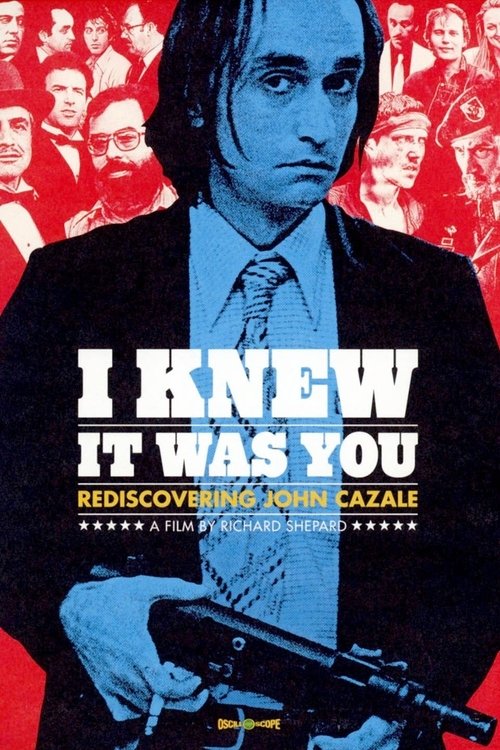
The ending of "I Knew It Was You: Rediscovering John Cazale" reflects on the legacy of John Cazale, showcasing the impact he had on the film industry and his colleagues. The documentary concludes with heartfelt tributes from friends and collaborators, emphasizing Cazale's talent and the profound influence he had on their lives and careers, despite his brief time in the spotlight.
As the film draws to a close, it revisits the key moments of Cazale's life and career, interspersed with interviews from actors like Al Pacino, Meryl Streep, and others who worked with him. They share personal anecdotes and memories, illustrating the deep respect and admiration they held for him. The final scenes highlight Cazale's performances in iconic films such as "The Godfather" and "Dog Day Afternoon," underscoring his ability to convey complex emotions and his unique presence on screen. The documentary ends on a reflective note, celebrating Cazale's contributions to cinema and the lasting impression he left on those who knew him.
In the expanded narrative of the ending, the film transitions into its final segment with a montage of Cazale's most memorable scenes, accompanied by a poignant score that evokes nostalgia. The screen fills with clips from "The Godfather," where Cazale's character, Fredo Corleone, grapples with feelings of inadequacy and betrayal. The emotional weight of these scenes is palpable, as they serve as a reminder of Cazale's ability to portray vulnerability and depth.
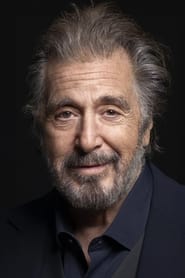
As the montage continues, the film cuts to interviews with Al Pacino, who reflects on his friendship with Cazale. Pacino's voice carries a tone of reverence as he recounts their time working together, emphasizing Cazale's dedication to his craft and the authenticity he brought to every role. The camera captures Pacino's expressions, revealing a mix of admiration and sorrow as he speaks about the loss of his friend.
Next, Meryl Streep shares her memories of Cazale, recalling their time together during the filming of "The Deer Hunter." Her eyes glisten with emotion as she describes how Cazale's talent inspired her and how his presence on set was both comforting and electrifying. The film intersperses these interviews with behind-the-scenes footage, allowing viewers to witness the camaraderie and respect that existed among the cast.
The documentary then shifts to a more reflective tone, with clips of Cazale's performances in "Dog Day Afternoon" and "The Conversation." Each scene is carefully selected to showcase his range as an actor, from moments of intense drama to subtle, nuanced expressions. The filmmakers emphasize how Cazale's characters often faced moral dilemmas, mirroring the struggles of real life, which resonated deeply with audiences.
As the film nears its conclusion, it features a series of testimonials from other actors and filmmakers who were influenced by Cazale. They speak candidly about his impact on their careers and the film industry as a whole. The emotional resonance of their words underscores the theme of legacy, as they acknowledge that Cazale's work continues to inspire new generations of artists.
The final scenes of the documentary return to the theme of remembrance, with images of Cazale juxtaposed against the backdrop of New York City, where he spent much of his life. The screen fades to black, and the credits roll, accompanied by a hauntingly beautiful score that encapsulates the essence of Cazale's spirit. The film leaves viewers with a sense of closure, celebrating not only Cazale's contributions to cinema but also the enduring friendships he forged along the way.
In summary, the ending of "I Knew It Was You: Rediscovering John Cazale" serves as a heartfelt tribute to a remarkable actor whose legacy continues to resonate, reminding audiences of the power of storytelling and the connections forged through art.
Is there a post-credit scene?
The documentary "I Knew It Was You: Rediscovering John Cazale" does not have a post-credit scene. The film concludes after its exploration of John Cazale's life and career, focusing on his impact on cinema and the memories shared by his friends and colleagues. The documentary wraps up with reflections on his legacy, emphasizing the profound influence he had despite his brief career. There are no additional scenes or content after the credits roll.
What role did John Cazale play in 'The Godfather' and how did it impact his career?
In 'The Godfather,' John Cazale portrayed Fredo Corleone, the vulnerable and often overlooked middle brother of Michael and Sonny Corleone. His performance was marked by a deep emotional complexity, showcasing Fredo's insecurities and desire for approval. This role significantly impacted Cazale's career, establishing him as a talented actor capable of conveying profound emotional depth.
How did John Cazale's performance in 'Dog Day Afternoon' contribute to the film's success?
In 'Dog Day Afternoon,' John Cazale played Salvatore 'Sal' Naturile, a bank robber who becomes increasingly anxious and conflicted during the heist. His portrayal added a layer of tension and vulnerability to the film, as Sal's character struggles with the moral implications of their crime. Cazale's nuanced performance helped to elevate the film's emotional stakes, contributing to its critical acclaim and success.
What was the significance of John Cazale's character in 'The Conversation'?
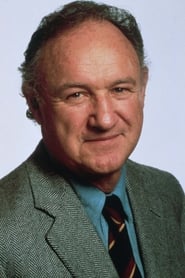
In 'The Conversation,' John Cazale played Stan, a colleague of the protagonist Harry Caul, portrayed by Gene Hackman. Stan's character serves as a foil to Harry, representing a more carefree and morally ambiguous approach to their work in surveillance. Cazale's performance adds tension to the narrative, as Stan's casual attitude contrasts sharply with Harry's obsessive nature, highlighting the film's themes of privacy and paranoia.
How did John Cazale's health issues affect his work on 'The Deer Hunter'?
During the filming of 'The Deer Hunter,' John Cazale was battling terminal cancer, which affected his physical appearance and energy levels. Despite his declining health, Cazale delivered a powerful performance as Stan, a character deeply affected by the Vietnam War. His struggle with illness added a poignant layer to his portrayal, as the emotional weight of his character's experiences resonated with his own life challenges.
What was the relationship between John Cazale and Al Pacino, and how did it influence their performances?
John Cazale and Al Pacino shared a close friendship that began during their time in theater before transitioning to film. Their bond allowed for a deep level of trust and collaboration, particularly evident in their performances in 'The Godfather' series. This relationship influenced their on-screen chemistry, with Cazale's nuanced portrayal of Fredo often eliciting a protective and complex response from Pacino's Michael, enhancing the emotional depth of their scenes together.
Is this family friendly?
"I Knew It Was You: Rediscovering John Cazale" is a documentary that explores the life and career of actor John Cazale, known for his roles in classic films such as "The Godfather" and "Dog Day Afternoon." The film primarily consists of interviews, archival footage, and reflections from colleagues and friends, focusing on Cazale's impact on cinema and his personal struggles.
While the documentary is not explicitly designed for children, it is generally family-friendly. However, there are a few aspects that might be considered potentially objectionable or upsetting for children or sensitive viewers:
-
Discussion of Death: The film touches on Cazale's battle with cancer and his eventual passing, which may be emotionally heavy for some viewers, particularly younger audiences.
-
Themes of Loss and Grief: The documentary delves into the emotional weight of loss, particularly through the reflections of those who knew Cazale, which could be poignant and possibly upsetting.
-
Mature Themes: Some of the films Cazale starred in contain mature themes, including crime, moral ambiguity, and emotional turmoil, which are discussed in the context of his performances.
Overall, while the film is respectful and insightful, its exploration of serious themes may require parental discretion for younger viewers.