




























Popular
What challenges does the main character, Ray, face in his life at the beginning of the film?
How does Ray's relationship with his wife, Christine, evolve throughout the film?
What role does the character of the town's mayor, played by Danny DeVito, play in the story?
What significant event prompts Ray to take action and change his life?
How does Ray's relationship with his son, Toby, change throughout the film?
Should I watch it?
Ask Your Own Question

What is the plot?
Sorry, we aren't able to watch and write up a full detailed plot yet. Check back in a few days.







What is the ending?
In the ending of "Just Add Water," the main character, Ray, finally confronts his life and the people around him. He stands up to the town's corrupt mayor, finds a sense of purpose, and rekindles his relationship with his estranged wife, while also connecting with his son. The film concludes with a sense of hope and renewal for Ray and the community.
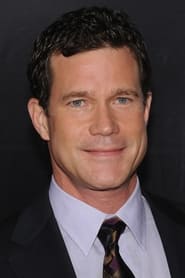
As the film approaches its conclusion, we find Ray, played by Dylan Walsh, in a pivotal moment of self-realization. The tension in the town has reached a boiling point, largely due to the corrupt practices of the mayor, who has been exploiting the community for his own gain. Ray, who has been a passive observer of his life and the town's decline, begins to take action.
In a crucial scene, Ray gathers the townspeople to confront the mayor. The atmosphere is charged with anticipation and fear, as the community has long been under the thumb of the mayor's oppressive rule. Ray stands before the crowd, his heart racing, but he feels a newfound determination. He speaks passionately about the need for change, urging the townspeople to reclaim their power and not let fear dictate their lives any longer. This moment is a turning point for Ray, as he sheds his previous complacency and embraces his role as a leader.
As the confrontation escalates, the mayor attempts to maintain control, but Ray's courage inspires others to join him. The townspeople rally together, united in their desire for a better future. This collective action symbolizes a shift in the community's spirit, as they begin to believe in their ability to effect change.
Meanwhile, Ray's personal life also sees significant developments. He reconnects with his estranged wife, played by Anne Heche, who has been struggling with her own feelings of discontent. Their relationship, once strained and distant, begins to heal as they communicate openly about their struggles and aspirations. This emotional reconnection is underscored by a poignant scene where they share a moment of vulnerability, acknowledging their past mistakes but also expressing hope for a shared future.
Ray's relationship with his son also evolves during this time. He realizes the importance of being a present and supportive father, and he makes a conscious effort to engage with his son, who has been feeling neglected. This father-son bond is strengthened as they work together to support the community's efforts, showcasing the importance of family and connection in the face of adversity.
As the film draws to a close, the town begins to transform. The corrupt mayor's influence wanes, and the community starts to rebuild itself, both physically and emotionally. Ray stands at the forefront of this change, embodying the hope and resilience of the town. The final scenes depict a vibrant community coming together, celebrating their newfound unity and strength.
In the end, Ray emerges as a changed man, no longer the passive figure he once was. He has found his voice and purpose, and he is committed to leading his family and community toward a brighter future. The film concludes on a hopeful note, emphasizing themes of redemption, community, and the power of individual action in the face of systemic challenges. Each character, including Ray, his wife, and his son, finds a renewed sense of identity and belonging, suggesting that change is possible when people come together with a shared vision.
Is there a post-credit scene?
In the movie "Just Add Water," there is no post-credit scene. The film concludes without any additional scenes or content after the credits roll. The story wraps up with the main characters having undergone significant personal growth and transformation, leaving the audience with a sense of resolution regarding their journeys. The focus remains on the narrative and character arcs throughout the film, culminating in a satisfying conclusion without the need for further scenes.
What challenges does the main character, Ray, face in his life at the beginning of the film?
At the beginning of 'Just Add Water,' Ray is depicted as a disillusioned and downtrodden man living in the small, stagnant town of Trona, California. He struggles with a dead-end job at a local gas station, a failing marriage to his wife, and a strained relationship with his teenage son, who is embarrassed by his father's lack of ambition. Ray feels trapped in a monotonous life, yearning for change but unsure how to achieve it.
How does Ray's relationship with his wife, Christine, evolve throughout the film?
Ray's relationship with Christine is fraught with tension and dissatisfaction at the film's outset. Christine is frustrated with Ray's lack of direction and ambition, leading to emotional distance between them. As the story progresses, Ray begins to take charge of his life, which rekindles a spark in their relationship. He starts to show initiative and passion, ultimately leading to a heartfelt reconciliation where they confront their issues and rediscover their love for each other.
What role does the character of the town's mayor, played by Danny DeVito, play in the story?
The mayor, played by Danny DeVito, serves as a symbol of the town's stagnation and corruption. He is depicted as a self-serving politician who is more interested in maintaining his power than in the welfare of the community. His interactions with Ray highlight the challenges of small-town politics and the obstacles Ray faces as he attempts to bring about positive change in Trona. The mayor's character adds a layer of conflict, as Ray must navigate the mayor's manipulative tactics while trying to improve his own life and the town.
What significant event prompts Ray to take action and change his life?
A pivotal moment for Ray occurs when he discovers a hidden talent for surfing after a chance encounter with a group of surfers. This revelation ignites a passion within him that he had long suppressed. Inspired by the surfers' carefree lifestyle and camaraderie, Ray begins to embrace change, leading him to confront his fears, take risks, and ultimately pursue a more fulfilling life. This newfound enthusiasm serves as a catalyst for his personal growth and the revitalization of his relationships.
How does Ray's relationship with his son, Toby, change throughout the film?
Initially, Ray's relationship with his son Toby is strained, marked by Toby's embarrassment over his father's lack of ambition and direction. As Ray begins to transform his life, Toby starts to see his father in a new light. Ray's newfound confidence and passion for surfing inspire Toby, leading to moments of bonding between them. Their relationship evolves from one of disappointment and distance to one of mutual respect and understanding, culminating in a supportive father-son dynamic as they navigate their challenges together.
Is this family friendly?
"Just Add Water," produced in 2008, is a comedy-drama that contains some elements that may not be suitable for all family audiences. Here are a few potentially objectionable or upsetting aspects:
-
Language: The film includes some strong language and profanity that may not be appropriate for younger viewers.
-
Adult Themes: There are references to adult situations, including discussions about relationships and infidelity, which may be confusing or uncomfortable for children.
-
Substance Use: There are scenes depicting alcohol consumption, which could be concerning for sensitive viewers or parents.
-
Emotional Struggles: The characters deal with personal issues such as dissatisfaction with life, feelings of inadequacy, and the impact of past traumas, which may be heavy for younger audiences to process.
-
Violence: While not graphic, there are moments of conflict and tension that could be unsettling for some viewers.
Overall, while the film has comedic elements, its themes and content may not be suitable for all children or sensitive individuals.