












Popular
What challenges do Asian American actors face in the film?
How does the film portray the evolution of Asian American representation in cinema?
Who are some of the key figures interviewed in the documentary, and what insights do they provide?
What specific examples of films or roles are highlighted in the documentary?
How does the film address the impact of cultural stereotypes on Asian American actors?
Should I watch it?
Ask Your Own Question

What is the plot?
Sorry, we aren't able to watch and write up a full detailed plot yet. Check back in a few days.









What is the ending?
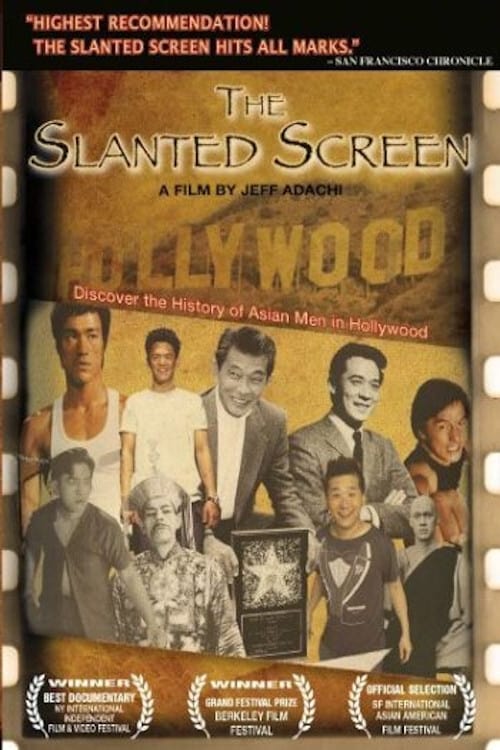
In the ending of "The Slanted Screen," the documentary culminates in a powerful reflection on the representation of Asian American men in Hollywood. The film concludes with a series of interviews and personal stories that highlight the struggles and triumphs of these actors, emphasizing their ongoing fight for better representation and the impact of stereotypes on their lives and careers.
As the film progresses towards its conclusion, it begins with a montage of clips showcasing the evolution of Asian American male characters in film and television. The screen fills with images of both negative stereotypes and more nuanced portrayals, illustrating the stark contrast in representation over the decades. This visual journey serves as a backdrop for the emotional testimonies of the featured actors.
The narrative then shifts to individual interviews, where prominent Asian American actors share their personal experiences in the industry. One actor recalls the frustration of being typecast in roles that do not reflect his true identity, while another discusses the pressure to conform to societal expectations. Their voices resonate with a sense of longing for authenticity and recognition, revealing the internal conflicts they face as they navigate their careers.
As the film nears its end, the tone becomes more hopeful. Several actors express their determination to break free from the constraints of traditional roles and to create their own opportunities. They discuss the importance of representation not just for themselves, but for future generations of Asian American performers. This collective resolve is palpable, as they envision a future where their stories can be told with depth and complexity.
The final scenes of the documentary feature a poignant montage of Asian American actors in various roles, interspersed with clips of their interviews. The screen fades to black, leaving the audience with a lingering sense of the ongoing struggle for representation and the resilience of those who continue to fight for their place in the industry.
In summary, the ending of "The Slanted Screen" encapsulates the journey of Asian American men in Hollywood, highlighting their challenges, triumphs, and the hope for a more inclusive future. Each character's fate is intertwined with the broader narrative of representation, as they collectively strive for change in an industry that has often marginalized their voices.
Is there a post-credit scene?
The Slanted Screen, a documentary film released in 2006, does not feature a post-credit scene. The film concludes with its exploration of the representation of Asian American men in Hollywood, focusing on the historical and contemporary challenges they face in the film industry. The credits roll after the final interviews and reflections, leaving the audience to ponder the themes presented throughout the documentary without any additional scenes or content following the credits.
What challenges do Asian American actors face in the film?
The Slanted Screen explores the various challenges faced by Asian American actors, including typecasting, limited roles, and the struggle for representation in Hollywood. The documentary features interviews with actors who share their personal experiences of being marginalized and often relegated to stereotypical roles that do not reflect their true identities.
How does the film portray the evolution of Asian American representation in cinema?
The film chronicles the historical progression of Asian American representation in film, starting from early portrayals that were often caricatures to more nuanced and complex characters in contemporary cinema. It highlights key films and performances that marked significant changes in how Asian Americans are depicted on screen.
Who are some of the key figures interviewed in the documentary, and what insights do they provide?
Key figures interviewed in The Slanted Screen include actors like George Takei, BD Wong, and Lucy Liu. They provide insights into their personal journeys in the industry, discussing the impact of their roles on their careers and the broader implications for Asian American representation in media.
What specific examples of films or roles are highlighted in the documentary?
The documentary highlights several films and roles, such as 'The Joy Luck Club,' 'Better Luck Tomorrow,' and 'Memoirs of a Geisha.' These examples illustrate both the progress made and the ongoing issues of representation and authenticity in the portrayal of Asian characters.
How does the film address the impact of cultural stereotypes on Asian American actors?
The Slanted Screen delves into the impact of cultural stereotypes by showcasing how these preconceived notions affect the careers and self-perception of Asian American actors. It discusses the emotional toll of being pigeonholed into specific roles and the desire for more diverse and authentic storytelling that reflects their true experiences.
Is this family friendly?
The Slanted Screen, produced in 2006, is a documentary that explores the representation of Asian American men in film and television. While it is not a traditional narrative film, it does contain themes and discussions that may not be suitable for younger audiences or sensitive viewers.
Potentially objectionable or upsetting aspects include:
-
Stereotypes and Racism: The film discusses various stereotypes that have historically been applied to Asian American men, which may include depictions of racism and discrimination that could be distressing.
-
Sexualization: There are discussions about the sexualization of Asian men in media, which may include references to objectification and the impact of these portrayals on identity.
-
Emotional Testimonies: Interviews with individuals may reveal personal struggles, discrimination, and emotional pain related to their experiences in the entertainment industry, which could be heavy for some viewers.
-
Cultural Misrepresentation: The film critiques how Asian cultures have been misrepresented in Hollywood, which may involve discussions of cultural appropriation and the consequences of such portrayals.
Overall, while the film is educational and insightful, its themes and discussions may not be suitable for children or those who are sensitive to issues of race, identity, and representation.