


Popular
What specific inventions or innovations are highlighted in the series?
How does the show depict the impact of Victorian architecture on modern society?
What role does the Victorian class system play in the episodes?
How are women’s roles portrayed in the context of Victorian advancements?
What specific examples of public health improvements are discussed in the series?
Should I watch it?
Ask Your Own Question

What is the plot?
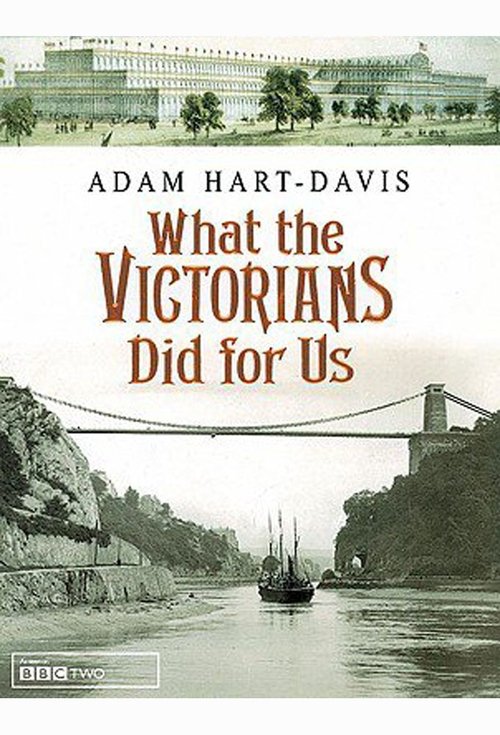
"What the Victorians Did for Us" is a documentary series that explores the impact of Victorian innovations on modern life. The series is structured around various episodes, each focusing on different aspects of Victorian society and their contributions to contemporary life.
The series begins with an introduction to the Victorian era, highlighting the rapid advancements in technology, industry, and social reform that took place during this time. The host, Adam Hart-Davis, sets the stage by discussing the significance of the Victorian period, emphasizing how it laid the groundwork for many aspects of modern society.
In the first episode, the focus is on the development of the railway system. The narrative unfolds with a historical overview of the first railways, showcasing how they revolutionized transportation. Hart-Davis visits various locations, including the famous Stockton and Darlington Railway, to illustrate the excitement and challenges of early railway travel. He describes the engineering feats involved in constructing railways, such as bridges and tunnels, and the impact these had on trade and travel. The emotional weight of the narrative is underscored by personal stories of individuals who experienced the transformation brought about by the railways, highlighting the sense of adventure and opportunity that came with this new mode of transport.
The second episode shifts focus to the Victorian obsession with cleanliness and public health. Hart-Davis explores the introduction of modern sanitation systems, including the development of sewers and clean water supplies. He visits historical sites, such as the London sewer system, and explains the dire conditions that prompted these innovations. The narrative captures the urgency of the public health crisis, detailing the cholera outbreaks that plagued cities and the subsequent reforms that were implemented. The emotional tone reflects a sense of urgency and determination among reformers who fought for better living conditions, showcasing their motivations to protect public health.
In the third episode, the series delves into the world of communication, particularly the invention of the telegraph. Hart-Davis traces the evolution of communication methods, from letters to the instantaneous nature of the telegraph. He visits historical telegraph stations and demonstrates how messages were sent and received, emphasizing the excitement and efficiency that this technology brought to society. The narrative highlights the emotional connections that were made possible through faster communication, illustrating how families and friends could stay in touch despite long distances.
The fourth episode examines the impact of Victorian inventions on everyday life, focusing on household innovations such as the washing machine and the vacuum cleaner. Hart-Davis showcases the labor-saving devices that transformed domestic life, allowing women more freedom and time for other pursuits. The emotional aspect of this episode is captured through personal anecdotes from individuals who experienced these changes firsthand, reflecting on how these inventions improved their quality of life and altered societal roles.
In the fifth episode, the series explores the Victorian fascination with science and discovery, particularly in the fields of medicine and public health. Hart-Davis discusses the advancements in medical practices, including anesthesia and antiseptics, which revolutionized surgery and patient care. He visits historical hospitals and interviews experts to illustrate the profound impact these innovations had on survival rates and the overall approach to healthcare. The emotional weight of the narrative is felt through the stories of patients and doctors who experienced the transformation of medical practices, highlighting the hope and fear that accompanied these changes.
The final episode brings together the various themes explored throughout the series, reflecting on the legacy of the Victorian era. Hart-Davis summarizes the key innovations and their lasting impact on modern society, emphasizing how the Victorians laid the foundation for contemporary life. The emotional tone is one of appreciation and recognition of the struggles and triumphs of those who lived during this transformative period, leaving viewers with a sense of connection to the past and an understanding of its relevance to the present.
Throughout the series, the narrative is enriched with visual elements, including historical photographs, illustrations, and reenactments that bring the Victorian era to life. The storytelling is engaging and informative, providing a comprehensive overview of the significant contributions made during this pivotal time in history.









What is the ending?
The ending of "What the Victorians Did for Us" culminates in a reflection on the profound impact of Victorian innovations on modern life. The series concludes by emphasizing how the advancements in technology, social reform, and infrastructure laid the groundwork for contemporary society. The final scenes showcase various modern conveniences and systems that owe their existence to Victorian ingenuity, leaving viewers with a sense of appreciation for the era's contributions.
In a more detailed narrative, the final episode begins with a montage of modern-day scenes, illustrating the lasting legacy of Victorian innovations. The camera pans over bustling city streets, where the intricate designs of Victorian architecture stand as a testament to the era's aesthetic and engineering prowess. The narrator, with a tone of reverence, highlights how these buildings not only serve as homes and offices but also as symbols of progress and ambition.
As the episode progresses, it transitions to a series of interviews with historians and experts who discuss the significance of Victorian inventions. One expert passionately describes the impact of the railway system, showcasing how it revolutionized travel and commerce. The screen fills with images of trains speeding through the countryside, connecting distant towns and cities, while the narrator explains the emotional weight of these connections--families reunited, businesses thriving, and communities growing.
Next, the focus shifts to the advancements in public health and sanitation. The camera captures modern sewage systems and clean water facilities, with the narrator detailing how these innovations drastically reduced disease and improved quality of life. The emotional tone here is one of gratitude, as the audience is reminded of the struggles faced before these changes were implemented. The visuals of healthy families enjoying parks and clean streets evoke a sense of relief and appreciation for the hard-fought battles of the past.
The episode then delves into the realm of communication, showcasing the evolution from the telegraph to the internet. The narrator reflects on how the Victorian era laid the groundwork for our current interconnected world. Scenes of people using smartphones and computers are interspersed with historical footage of telegraph operators, emphasizing the leap from simple messages to instant global communication. The emotional resonance here is one of wonder at how far society has come, rooted in the innovations of the Victorians.
As the episode nears its conclusion, it revisits the theme of social reform, highlighting the movements for workers' rights and women's suffrage that gained momentum during the Victorian period. The narrator speaks with a tone of hope, illustrating how these early efforts paved the way for the rights and freedoms enjoyed today. The screen fills with images of modern protests and celebrations of diversity, connecting the struggles of the past with the ongoing fight for equality.
In the final moments, the camera returns to the streets, now filled with people from all walks of life, enjoying the benefits of the Victorian legacy. The narrator's voice softens, inviting viewers to reflect on the interconnectedness of history and the present. The series ends on a powerful note, leaving the audience with a sense of pride in the achievements of the Victorian era and a deeper understanding of how those achievements continue to shape our lives today. The screen fades to black, and the credits roll, marking the end of a journey through time that celebrates the enduring impact of the Victorians on our modern world.
Is there a post-credit scene?
The television series "What the Victorians Did for Us," produced in 2001, does not feature any post-credit scenes. The show is structured as a documentary series that explores the impact of Victorian innovations on modern life, focusing on various aspects such as technology, architecture, and social changes. Each episode concludes with a summary of the discussed topics, but there are no additional scenes or content after the credits. The focus remains on educating the audience about the significant contributions of the Victorian era without the inclusion of traditional narrative devices like post-credit scenes.
What specific inventions or innovations are highlighted in the series?
The series showcases various inventions such as the steam engine, the telegraph, and the introduction of the railway system, illustrating how these innovations transformed daily life in Victorian Britain.
How does the show depict the impact of Victorian architecture on modern society?
The show explores the grandeur of Victorian architecture, focusing on iconic structures like the Houses of Parliament and the Crystal Palace, emphasizing how these designs influenced contemporary urban landscapes.
What role does the Victorian class system play in the episodes?
The series delves into the Victorian class system, portraying the stark contrasts between the lives of the wealthy and the working class, and how industrial advancements affected social mobility and labor conditions.
How are women’s roles portrayed in the context of Victorian advancements?
The show examines the evolving roles of women during the Victorian era, highlighting figures like Florence Nightingale and the suffragette movement, showcasing their contributions to social reform and public health.
What specific examples of public health improvements are discussed in the series?
The series discusses the establishment of public health systems, including the introduction of sanitation measures and the work of figures like Edwin Chadwick, illustrating how these changes drastically reduced disease and improved urban living conditions.
Is this family friendly?
"What the Victorians Did for Us" is generally considered family-friendly, as it is an educational documentary series that explores the impact of Victorian innovations on modern life. However, there are a few aspects that might be potentially objectionable or upsetting for children or sensitive viewers:
-
Historical Context: The series discusses the harsh realities of Victorian life, including poverty, child labor, and social inequality, which may be distressing for some viewers.
-
Visual Depictions: Some segments may include images or reenactments of Victorian-era conditions, such as overcrowded living situations or the working conditions of children in factories, which could be unsettling.
-
Health and Hygiene: The show touches on the lack of sanitation and medical knowledge during the Victorian era, which might include discussions of diseases and their impact on society.
-
Social Issues: The series addresses issues like class disparity and the struggles of the working class, which may evoke strong emotional responses.
Overall, while the series is informative and engaging, parents may want to preview episodes to determine their suitability for younger viewers.