







Popular
What challenges does the circus face in the first episode of Big Top?
How does the character of Charlie evolve throughout the series?
What role does the character of the clown play in the dynamics of the circus?
What is the significance of the rival circus in the storyline?
How do personal relationships among the circus performers impact their performances?
Should I watch it?
Ask Your Own Question

What is the plot?
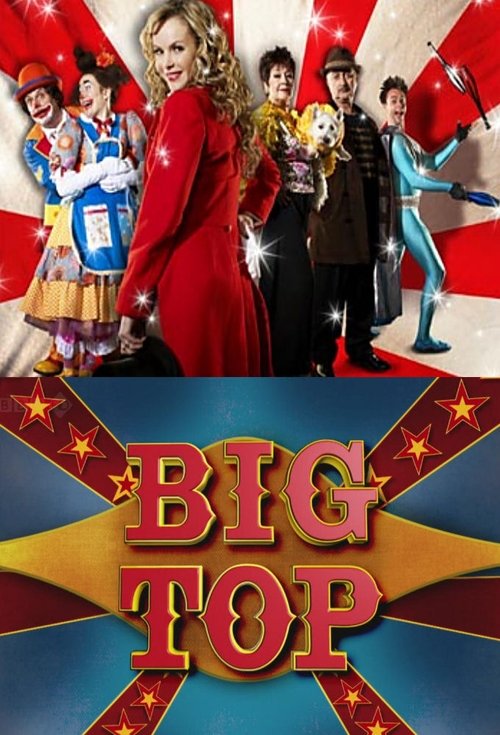
In the small town of Waverly, a struggling circus known as the "Big Top" is introduced. The circus is run by a group of misfit performers, including a clown named Charlie, a strongman named Max, and a trapeze artist named Bella. The circus is facing financial difficulties, and the performers are worried about their future. They are determined to save the circus and keep their family together, despite the odds stacked against them.
As the story unfolds, the circus receives a visit from a wealthy businessman named Mr. Hargrove, who expresses interest in investing in the circus. However, his intentions are not entirely pure; he wants to take control of the circus and turn it into a more commercialized attraction. The performers are initially excited about the prospect of financial support but soon realize that Hargrove's vision conflicts with their artistic integrity.
Charlie, feeling the pressure of the situation, decides to take matters into his own hands. He rallies the performers to come up with a plan to impress Hargrove and secure his investment while maintaining their unique identity. They brainstorm ideas for a new show that showcases their individual talents and the heart of the circus. This leads to a series of rehearsals filled with comedic mishaps and heartfelt moments as they bond over their shared love for performance.
As the day of the big performance approaches, tensions rise within the group. Bella, who has a romantic interest in Charlie, feels neglected as he becomes increasingly focused on impressing Hargrove. Max, the strongman, struggles with his own insecurities and fears that he won't be able to deliver a standout performance. The emotional stakes are high, and the performers must confront their personal challenges while working together to create a memorable show.
On the night of the performance, the circus is packed with an eager audience, including Hargrove. The show begins with a dazzling display of acrobatics, clowning, and animal acts. Each performer shines in their own right, showcasing their unique skills and the spirit of the circus. However, as the show progresses, Hargrove becomes increasingly critical, making snide remarks and undermining the performers' confidence.
In a pivotal moment, Charlie takes a stand against Hargrove, defending the integrity of the circus and the hard work of his fellow performers. This confrontation ignites a fire within the group, and they rally together to give their best performance yet. The atmosphere shifts from one of doubt to empowerment as they embrace their individuality and the essence of what makes their circus special.
As the final act unfolds, a dramatic mishap occurs when Bella's trapeze act goes awry, leading to a near-disaster. However, the performers quickly adapt, working together to save the situation and turn it into an unexpected highlight of the show. The audience is captivated, and the energy in the tent reaches a fever pitch.
After the performance, Hargrove is forced to acknowledge the talent and passion of the performers. He realizes that he cannot control their artistry and that the heart of the circus lies in its authenticity. In a surprising turn, he offers them a deal that respects their vision, allowing them to maintain their creative freedom while providing the financial support they need.
The story concludes with the circus finding a renewed sense of purpose and unity. The performers celebrate their victory, having not only saved their beloved circus but also strengthened their bonds as a family. Charlie and Bella share a heartfelt moment, solidifying their connection, while Max gains newfound confidence in his abilities. The Big Top is poised for a bright future, embracing both its quirks and its heart.







What is the ending?
In the ending of the TV show "Big Top," the circus faces a significant challenge as they prepare for their final performance. The characters confront their personal struggles and relationships, ultimately coming together to put on a show that reflects their growth and unity. The show concludes with a triumphant performance, showcasing their talents and the bonds they have formed, leaving the audience with a sense of hope and fulfillment.
As the final episode unfolds, the atmosphere in the circus is charged with anticipation and anxiety. The performers are aware that this could be their last show together, and the weight of that realization hangs heavily in the air.
Scene 1: The performers gather in the main tent, their faces a mix of determination and apprehension. The ringmaster, who has been a guiding force throughout their journey, addresses the troupe. He emphasizes the importance of their final performance, urging them to channel their fears into their art. The camera pans across the faces of the performers, capturing their internal struggles--some are excited, while others are visibly nervous about the future.
Scene 2: Backstage, the characters prepare for the show. The clown, who has often used humor to mask his insecurities, is seen practicing his routine, but his laughter is tinged with sadness. The acrobat couple, who have faced relationship challenges, share a quiet moment, reaffirming their commitment to each other. The strongman, who has always felt the pressure to be the backbone of the group, grapples with his own vulnerabilities, revealing a softer side as he encourages his fellow performers.
Scene 3: As the show begins, the tent fills with an eager audience. The performers take the stage one by one, showcasing their unique talents. The clown's act, filled with slapstick humor, elicits laughter, but there's a poignant moment when he stumbles, revealing his fear of failure. The acrobats perform a breathtaking routine, their chemistry evident as they soar through the air, symbolizing their renewed bond. The strongman lifts his fellow performers, literally and metaphorically, embodying the support they have for one another.
Scene 4: Midway through the performance, a crisis occurs when a prop malfunctions, threatening to derail the show. The performers, however, quickly adapt, demonstrating their resilience and teamwork. They improvise, turning the mishap into a highlight of the act, showcasing their ability to overcome obstacles together. The audience is captivated, and the energy in the tent shifts from tension to exhilaration.
Scene 5: As the final act approaches, the performers gather for a moment of reflection. They share their hopes and fears, acknowledging the uncertainty of their futures. Each character expresses gratitude for the experiences they've shared, solidifying their bonds. The ringmaster reminds them that no matter where they go, they will always be a family.
Scene 6: The grand finale unfolds with a spectacular display of lights and music. The performers come together for a final bow, their faces glowing with pride and joy. The audience erupts in applause, a testament to the impact of their journey. As the curtain falls, the characters exchange glances filled with understanding and love, knowing that this moment, this family, will remain with them forever.
In the aftermath of the performance, the characters face their futures with newfound courage. The clown decides to pursue a career in comedy, using his experiences to inspire others. The acrobat couple, now stronger than ever, plans to travel together, sharing their passion for performance. The strongman, having embraced his vulnerabilities, contemplates opening a training school for aspiring performers, eager to give back to the community that has supported him.
The series concludes with a sense of closure and hope, emphasizing the themes of resilience, friendship, and the transformative power of art. Each character's fate reflects their growth throughout the series, leaving the audience with a lasting impression of the bonds formed under the big top.
Is there a post-credit scene?
The TV show "Big Top," produced in 2009, does not feature a post-credit scene. The series, which revolves around the lives of a group of circus performers and their interactions both within the circus and with the outside world, concludes its episodes without any additional scenes after the credits. Each episode wraps up its storyline, focusing on the characters' personal growth, relationships, and the challenges they face in the circus environment. The absence of post-credit scenes allows for a more straightforward narrative closure, emphasizing the themes of camaraderie and resilience among the circus family.
What challenges does the circus face in the first episode of Big Top?
In the first episode of Big Top, the circus faces significant challenges as they struggle to attract an audience. The characters are introduced, showcasing their unique talents and personalities, but they must also deal with the financial pressures of keeping the circus running. The arrival of a rival circus adds to the tension, pushing the characters to come together and find creative solutions to save their show.
How does the character of Charlie evolve throughout the series?
Charlie, the circus manager, begins as a somewhat disheartened leader, burdened by the weight of responsibility and the fear of failure. As the series progresses, he learns to embrace the quirks of his troupe and finds renewed passion for the circus. His interactions with the performers, especially during moments of crisis, reveal his growth from a cautious manager to a more confident and supportive figure, ultimately fostering a sense of family within the circus.
What role does the character of the clown play in the dynamics of the circus?
The clown, known for his comedic antics, serves as both a source of humor and a reflection of the underlying emotional struggles of the troupe. His character often provides comic relief during tense moments, but he also has poignant scenes that reveal his own insecurities and desire for acceptance. This duality enriches the narrative, as he helps to bridge the gap between the performers and the audience, highlighting the importance of laughter in overcoming adversity.
What is the significance of the rival circus in the storyline?
The rival circus introduces a competitive element that heightens the stakes for the main characters. Their presence forces the troupe to confront their weaknesses and motivates them to innovate their performances. The rivalry also serves as a catalyst for character development, as the performers rally together to prove their worth and showcase their unique talents, ultimately strengthening their bond and commitment to the circus.
How do personal relationships among the circus performers impact their performances?
The personal relationships among the circus performers are intricately woven into the fabric of their acts. Romantic tensions, friendships, and rivalries influence their emotional states, which in turn affect their performances. For instance, a budding romance between two performers adds a layer of tension and excitement to their act, while conflicts can lead to mistakes or breakthroughs during shows. These dynamics create a rich tapestry of interactions that enhance the overall narrative and showcase the importance of teamwork and trust in their success.
Is this family friendly?
"Big Top," produced in 2009, is a family-friendly show that centers around the adventures of a traveling circus and its colorful cast of characters. While the series is designed to entertain a younger audience, there are a few aspects that might be considered potentially objectionable or upsetting for children or sensitive viewers:
-
Circus Performances: Some circus acts may involve elements of danger, such as acrobatics or animal performances, which could be intense for younger viewers.
-
Conflict and Rivalry: The show features moments of conflict between characters, including misunderstandings and rivalries that may lead to emotional tension.
-
Animal Behavior: There are scenes involving animals that may display aggressive or unpredictable behavior, which could be unsettling for some children.
-
Emotional Moments: Characters experience feelings of disappointment, fear, and sadness, particularly during moments of personal struggle or when facing challenges.
-
Mild Humor: The humor in the show sometimes includes slapstick or mild peril, which may not resonate well with all viewers.
Overall, while "Big Top" is intended for family viewing, parents may want to watch it with their children to gauge their reactions to these elements.