
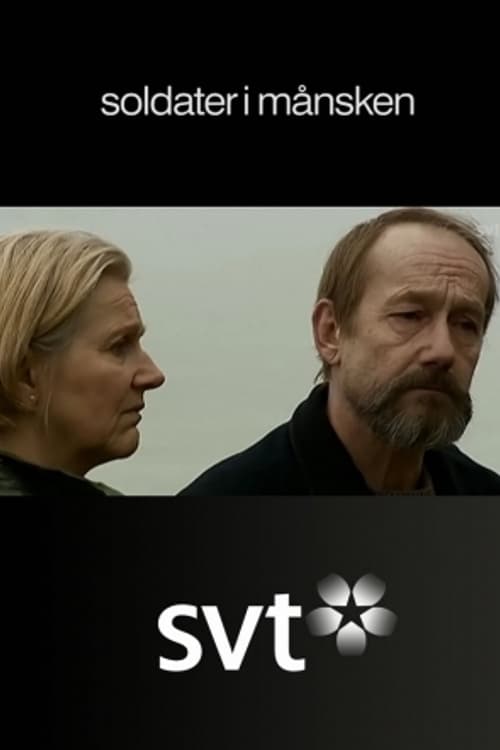














Popular
What role does the setting play in the development of the story?
What are the main conflicts faced by the characters in Soldiers by Moonlight?
How does the character of Sergeant Miller evolve throughout the series?
How do the flashback sequences impact the storytelling in Soldiers by Moonlight?
What is the significance of the character dynamics within the squad?
Should I watch it?
Ask Your Own Question

What is the plot?
In the opening scene of "Soldiers by Moonlight," we are introduced to a group of soldiers stationed in a remote outpost. The atmosphere is tense as they prepare for a night patrol. The camaraderie among the soldiers is evident, but underlying tensions hint at personal conflicts. The leader of the group, Sergeant Miller, is portrayed as a tough but fair commander, while Private Jenkins is shown to be anxious and eager to prove himself.
As night falls, the soldiers embark on their patrol, moving cautiously through the dense forest. The moonlight casts eerie shadows, and the sounds of the night amplify their nerves. During the patrol, they encounter a mysterious figure in the distance. Sergeant Miller orders the group to investigate, leading to a tense standoff. The figure turns out to be a local villager, who is frightened and pleading for help. He reveals that a group of insurgents is planning an attack on their base.
The soldiers return to their outpost, where they discuss the villager's warning. Tensions rise as some soldiers, including Corporal Davis, express skepticism about the villager's claims, while others, like Private Jenkins, advocate for taking the threat seriously. Sergeant Miller decides to increase security measures but is met with resistance from some of the men who feel it is unnecessary.
The following day, the soldiers receive intelligence that confirms the villager's warning. They learn that the insurgents are indeed planning an attack that night. The mood shifts from skepticism to urgency as the soldiers prepare for the impending confrontation. Sergeant Miller holds a briefing, emphasizing the importance of teamwork and vigilance. The soldiers gear up, checking their weapons and equipment, their faces reflecting a mix of determination and fear.
As night descends again, the soldiers take their positions around the perimeter of the base. The tension is palpable as they wait in silence, the only sounds being the rustling of leaves and distant animal calls. Suddenly, gunfire erupts from the treeline, and the soldiers spring into action. The insurgents launch a surprise attack, and chaos ensues.
In the heat of battle, Sergeant Miller coordinates the defense, shouting orders to his men. Private Jenkins, initially paralyzed by fear, finds his courage and takes cover behind a tree, firing back at the insurgents. Corporal Davis, however, panics and makes a rash decision to retreat, which leads to a critical moment where he inadvertently exposes another soldier, resulting in a tragic injury.
As the firefight continues, the soldiers work together to fend off the attackers. They use their training to set up defensive positions and return fire. The scene is chaotic, with explosions and gunfire creating a visceral sense of danger. Amidst the chaos, Sergeant Miller is injured, and Private Jenkins steps up to take command, rallying the remaining soldiers to hold their ground.
The battle rages on, and the insurgents begin to breach the perimeter. In a desperate move, Jenkins leads a small group to flank the attackers. They move stealthily through the underbrush, using the moonlight to their advantage. As they engage the insurgents from the side, the tide of the battle begins to turn. The soldiers fight fiercely, driven by a mix of fear and the desire to protect their comrades.
In a climactic moment, Jenkins confronts the insurgent leader in a one-on-one struggle. The fight is intense, with both men grappling for control. Jenkins, fueled by adrenaline and the need to prove himself, ultimately overpowers the insurgent leader, securing a critical victory for his team.
As dawn breaks, the remaining insurgents retreat, and the soldiers regroup. The aftermath of the battle reveals the toll it has taken on the group. They mourn their fallen comrades and reflect on the harrowing experience. Sergeant Miller, despite his injuries, commends Jenkins for his bravery, acknowledging his growth as a soldier.
In the final scenes, the soldiers begin to repair their base and tend to their wounds. The bonds formed during the battle are evident, as they share stories and support one another. The experience has changed them, and they are left with a newfound respect for each other and the challenges they face. The episode closes with a sense of hope and resilience, as the soldiers prepare for whatever comes next, united by their shared ordeal.
🔥 Trending TV Shows Now
Browse All TV Shows →








What is the ending?
In the ending of "Soldiers by Moonlight," the main characters confront their pasts and the consequences of their actions. The story culminates in a tense standoff that forces them to reckon with their choices, leading to a resolution that brings closure to their individual arcs.
As the final act unfolds, the characters find themselves in a dimly lit warehouse, the air thick with tension. The protagonist, Sergeant Mike, stands at the center, grappling with the weight of his decisions. He reflects on the camaraderie and sacrifices made by his fellow soldiers, feeling the burden of leadership pressing down on him. His internal conflict is palpable as he recalls the moments that led them to this point, haunted by the ghosts of their past missions.
In a pivotal scene, the antagonist, Captain Harris, confronts Mike, revealing his own motivations and the reasons behind his ruthless actions. The confrontation escalates, and the emotional stakes rise as both men lay bare their vulnerabilities. The warehouse echoes with their heated exchange, each word laden with years of unspoken resentment and regret.
As the standoff reaches its climax, the other soldiers, including Private Jenkins and Corporal Smith, take sides, their loyalties tested. Jenkins, who has always looked up to Mike, struggles with the realization that his hero is not infallible. Smith, on the other hand, is torn between his duty and his friendship with Mike, feeling the pressure of the moment weighing heavily on him.
In a moment of clarity, Mike makes a choice that defines his character. He steps forward, choosing to disarm the situation rather than escalate it further. This act of bravery and vulnerability resonates with the others, leading to a collective decision to put aside their differences. The tension dissipates, and the soldiers begin to reconcile, acknowledging their shared experiences and the bonds that have formed through their trials.
As the dust settles, the characters begin to find their paths forward. Mike, having faced his demons, decides to take a step back from active duty, realizing that he needs to heal and reflect on his journey. Jenkins, inspired by Mike's courage, resolves to continue serving but with a renewed sense of purpose, aiming to honor the sacrifices of those who came before him. Smith, having witnessed the power of forgiveness, chooses to support Mike in his transition, solidifying their friendship.
The final scene captures the soldiers walking out of the warehouse together, a sense of unity restored among them. The moonlight filters through the broken windows, casting a soft glow on their faces, symbolizing hope and new beginnings. As they step into the night, the weight of their pasts begins to lift, leaving them with the promise of a brighter future ahead.
Is there a post-credit scene?
"Soldiers by Moonlight," produced in 2000, does not feature a post-credit scene. The show concludes its narrative without any additional scenes after the credits roll. The focus remains on the main storyline and character arcs throughout the episodes, wrapping up the plot without extending into a post-credit sequence.
What role does the setting play in the development of the story?
The setting of Soldiers by Moonlight, primarily in a war-torn landscape, plays a crucial role in shaping the narrative. The desolate environments reflect the characters' emotional states, with dark, shadowy scenes symbolizing their internal struggles. The contrast between moments of quiet reflection and intense combat sequences heightens the tension and underscores the chaos of their experiences, influencing their decisions and relationships.
What are the main conflicts faced by the characters in Soldiers by Moonlight?
The characters in Soldiers by Moonlight face various conflicts, both internal and external. One of the primary conflicts revolves around the struggles of the soldiers as they deal with the psychological impacts of war, grappling with their past decisions and the haunting memories of combat. Additionally, interpersonal conflicts arise as they navigate their relationships with each other, often marked by mistrust and the need for camaraderie in the face of adversity.
How does the character of Sergeant Miller evolve throughout the series?
Sergeant Miller begins as a hardened leader, burdened by the weight of his responsibilities and the losses he has endured. As the series progresses, his character evolves through moments of vulnerability, revealing his deep-seated fears and regrets. He learns to open up to his fellow soldiers, fostering a sense of brotherhood and support, which ultimately helps him confront his own demons.
How do the flashback sequences impact the storytelling in Soldiers by Moonlight?
The flashback sequences in Soldiers by Moonlight serve to deepen the audience's understanding of the characters' motivations and traumas. These glimpses into their pasts reveal pivotal moments that shaped their identities and relationships, often juxtaposing their current struggles with earlier, more innocent times. This narrative technique enhances the emotional weight of the story, allowing viewers to empathize with the characters' journeys.
What is the significance of the character dynamics within the squad?
The dynamics within the squad are central to the narrative of Soldiers by Moonlight. Each character brings a unique perspective and set of experiences, leading to a rich tapestry of interactions. The camaraderie and tension among the soldiers highlight themes of loyalty, betrayal, and the search for redemption. As they face external threats together, their relationships are tested, revealing both the fragility and strength of their bonds.
Is this family friendly?
"Soldiers by Moonlight," produced in 2000, is a drama that explores the lives of soldiers and their experiences. While the show primarily focuses on themes of camaraderie, sacrifice, and the emotional toll of military life, it does contain some elements that may be considered objectionable or upsetting for children or sensitive viewers.
-
<li>
War and Combat Scenes: The show includes depictions of military operations and combat, which may feature violence, explosions, and the aftermath of battles. These scenes can be intense and may evoke feelings of fear or anxiety.
li> <li>Emotional Trauma: Characters often grapple with the psychological effects of war, including PTSD. This portrayal of mental health struggles can be heavy and may be difficult for younger viewers to understand.
li> <li>Loss and Grief: The narrative includes themes of loss, including the death of comrades and the impact on families. Scenes depicting mourning and grief can be emotionally charged and may be upsetting.
li> <li>Mature Themes: The show addresses complex issues such as duty, sacrifice, and moral dilemmas faced by soldiers, which may be challenging for younger audiences to fully comprehend.
li> <li>Language and Conduct: There may be instances of strong language or behavior that reflects the harsh realities of military life, which could be inappropriate for children.
li>Overall, while "Soldiers by Moonlight" offers a poignant look at the lives of soldiers, its mature themes and emotional depth may not be suitable for all younger viewers. Parents and guardians should consider these aspects when determining if the show is appropriate for their children.