


Popular
What are the main challenges faced by the characters in their quest for survival?
How do the characters' relationships evolve throughout the series?
What role does the environment play in shaping the characters' decisions?
Who are the key characters, and what are their individual motivations?
What significant events lead to turning points in the story?
Should I watch it?
Ask Your Own Question

What is the plot?
"Secrets of the Stone Age" begins with a sweeping view of prehistoric landscapes, showcasing the vastness of the world during the Stone Age. The narrative introduces a young boy named Korg, who is part of a tribe struggling to survive in a harsh environment. Korg is curious and adventurous, often exploring the surrounding wilderness, which sets the stage for his character's development.
As the story unfolds, Korg's tribe faces a dire situation: food is scarce, and tensions rise among the members. The tribe's leader, a stern figure named Grom, emphasizes the need for unity and strength to overcome their challenges. Korg, feeling the weight of his tribe's struggles, becomes determined to prove himself and contribute to their survival.
One day, while exploring a nearby cave, Korg discovers ancient cave paintings that depict scenes of hunting and gathering. This discovery ignites his imagination and inspires him to think of new ways to help his tribe. He shares his findings with Grom, who is skeptical but intrigued by the potential of Korg's ideas.
Korg's next significant decision comes when he proposes a hunting expedition to a nearby valley rumored to be rich in game. Grom initially dismisses the idea, fearing the dangers of the unknown. However, Korg's passion and determination persuade Grom to allow a small group, including Korg, to venture out. This decision marks a turning point for Korg, as he steps into a leadership role among his peers.
The hunting expedition begins with excitement and trepidation. Korg and his companions navigate through dense forests and treacherous terrain, showcasing their skills and teamwork. As they reach the valley, they encounter a herd of wild animals. The group works together to strategize their approach, demonstrating Korg's growing influence and leadership.
During the hunt, a sudden twist occurs when they are ambushed by a rival tribe. A fierce confrontation ensues, with both sides clashing in a chaotic struggle for survival. Korg's quick thinking and bravery shine through as he leads his friends in a tactical retreat, using the landscape to their advantage. This moment solidifies Korg's status as a leader among his peers.
After escaping the rival tribe, Korg and his group return to their own tribe, battered but alive. They bring back not only a small amount of game but also valuable knowledge about the rival tribe's tactics and territory. Grom acknowledges Korg's bravery and resourcefulness, which earns him respect from the tribe.
As the story progresses, Korg's internal conflict deepens. He grapples with the responsibilities of leadership and the expectations placed upon him. His relationship with Grom becomes strained as Grom struggles to adapt to Korg's innovative ideas, leading to moments of tension and disagreement.
In a pivotal scene, Korg decides to organize a larger hunting party to confront the rival tribe directly. He believes that by taking the fight to them, they can secure their territory and ensure the survival of their people. Grom is hesitant but ultimately agrees, recognizing Korg's determination and the need for action.
The climactic confrontation occurs when Korg leads the hunting party into the rival tribe's territory. The battle is intense, with both sides fighting fiercely for dominance. Korg's strategic thinking comes into play as he devises a plan to outmaneuver the rival tribe, using the element of surprise to their advantage.
In the heat of battle, Korg faces a personal challenge when he comes face-to-face with the rival tribe's leader. A tense standoff ensues, filled with emotional stakes as Korg fights not just for survival but for the future of his tribe. The fight is brutal, showcasing Korg's growth as a warrior and leader.
Ultimately, Korg emerges victorious, but not without cost. The battle leaves both tribes shaken, and Korg is left to reflect on the consequences of their actions. He realizes that leadership comes with heavy burdens, and the cycle of violence may not be the solution to their problems.
The story concludes with Korg returning to his tribe, where he is celebrated as a hero. However, he carries the weight of the conflict in his heart, understanding that true leadership requires wisdom and compassion. The final scenes depict Korg looking out over the landscape, contemplating the future and the lessons learned from his journey.









What is the ending?
In the ending of "Secrets of the Stone Age," the characters face the culmination of their struggles as they confront the realities of survival and the impact of their choices. The story concludes with a sense of resolution as the characters find their place in the world, reflecting on their journey and the lessons learned.
As the final scenes unfold, we see the characters gathered around a fire, their faces illuminated by the flickering flames. They share stories of their past, revealing their fears and hopes for the future. The atmosphere is heavy with emotion, as they acknowledge the sacrifices made along the way. Each character reflects on their personal growth, understanding the importance of community and cooperation in their harsh environment.
The camera pans to the horizon, where the sun begins to rise, symbolizing new beginnings. The characters, now united in purpose, prepare to face the challenges ahead, embodying the resilience of humanity in the face of adversity.
As the final act of "Secrets of the Stone Age" unfolds, the scene opens with a panoramic view of the rugged landscape, the sun dipping low in the sky, casting long shadows over the rocky terrain. The air is thick with tension as the main characters--each representing different facets of survival--gather around a central fire, their faces reflecting a mix of exhaustion and determination.
The first character, a young hunter named Kael, stands apart from the group, his brow furrowed in thought. He has been grappling with the weight of leadership and the responsibility of protecting his tribe. As he gazes into the flames, memories of past failures flash before his eyes--moments when he hesitated or made the wrong choice. The flickering light dances across his face, revealing the internal conflict that has plagued him throughout their journey.
Next to him, the wise elder, Mira, approaches, her presence calming. She places a hand on Kael's shoulder, offering silent support. Mira has always been the voice of reason, guiding the younger generation with her knowledge of the land and its secrets. In this moment, she embodies the wisdom of ages, reminding Kael of the strength found in unity and the importance of learning from the past.
As the fire crackles, the other members of the group--strong and resilient, yet weary from their trials--begin to share their stories. Each character takes a turn, revealing their fears and aspirations. The hunter, the gatherer, and the healer all contribute to the tapestry of their shared experience. Their voices rise and fall, creating a symphony of emotions that resonates in the cool evening air.
The camera shifts to focus on Lira, a skilled gatherer who has faced her own demons. She speaks of her journey from doubt to confidence, her eyes shining with newfound purpose. Lira's transformation is palpable; she has learned to trust not only in her abilities but also in her companions. Her words inspire the group, igniting a spark of hope that flickers in their hearts.
As the night deepens, the characters reflect on the sacrifices made along the way. They remember those who have fallen, their absence felt keenly in the silence that follows. The weight of loss hangs heavy, yet it also serves as a reminder of the fragility of life and the importance of cherishing each moment.
In the final moments of the episode, the camera pulls back to reveal the vastness of the landscape, the stars beginning to twinkle in the night sky. The characters, now united in purpose, stand together, their silhouettes framed against the backdrop of the rising sun. This moment signifies not just the end of their journey but the beginning of a new chapter.
As dawn breaks, the characters prepare to face the challenges ahead, embodying the resilience of humanity. Kael, Mira, Lira, and the others exchange determined glances, their hearts filled with hope and a renewed sense of community. They understand that while the path may be fraught with danger, they are stronger together.
The screen fades to black, leaving the audience with a sense of closure and the promise of new adventures to come. Each character has found their place in the world, having learned valuable lessons about survival, cooperation, and the enduring spirit of humanity.
Is there a post-credit scene?
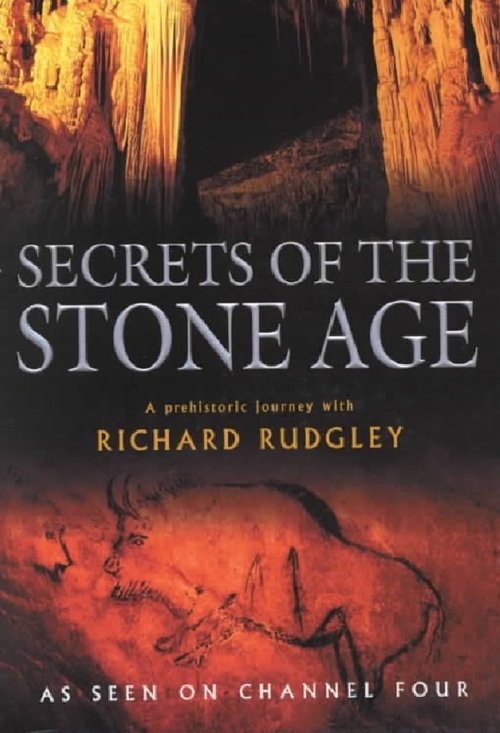
The TV show "Secrets of the Stone Age," produced in 2000, does not feature a post-credit scene. The series focuses on exploring the lives, cultures, and innovations of prehistoric humans, delving into their daily struggles, social structures, and the development of tools and art. Each episode concludes with a summary of the key themes and discoveries presented, but there are no additional scenes or content after the credits. The emphasis remains on the educational aspect of the series, providing viewers with a deeper understanding of the Stone Age without the inclusion of post-credit material.
What are the main challenges faced by the characters in their quest for survival?
The characters in 'Secrets of the Stone Age' face numerous challenges, including harsh environmental conditions, scarcity of food, and the constant threat of predators. They must navigate treacherous landscapes, such as dense forests and rocky terrains, while also dealing with interpersonal conflicts within their group. The struggle for resources often leads to tension and competition among the characters, highlighting their desperation and determination to survive.
How do the characters' relationships evolve throughout the series?
Throughout 'Secrets of the Stone Age', the relationships among the characters evolve significantly. Initially, there is a sense of mistrust and rivalry, particularly between the leaders of different factions. However, as they face external threats and work together to overcome obstacles, bonds begin to form. Characters who were once adversaries start to collaborate, leading to moments of camaraderie and shared purpose, which ultimately deepens their emotional connections.
What role does the environment play in shaping the characters' decisions?
The environment in 'Secrets of the Stone Age' is a crucial factor that shapes the characters' decisions. The harshness of their surroundings forces them to adapt their strategies for hunting and gathering. For instance, when faced with a drought, they must innovate new methods for finding water and food. The changing seasons also impact their migration patterns and social structures, compelling them to make difficult choices that reflect their survival instincts.
Who are the key characters, and what are their individual motivations?
Key characters in 'Secrets of the Stone Age' include the resourceful leader who seeks to protect his tribe, a skilled hunter driven by the need to prove himself, and a wise elder who provides guidance based on experience. Each character has distinct motivations: the leader is focused on survival and unity, the hunter desires recognition and respect, while the elder aims to preserve knowledge and tradition. These motivations often clash, leading to dramatic tensions and character development.
What significant events lead to turning points in the story?
Significant events in 'Secrets of the Stone Age' that lead to turning points include a devastating natural disaster that forces the tribe to relocate, the discovery of a new hunting ground that brings hope but also competition, and encounters with rival groups that challenge their way of life. Each of these events catalyzes character growth and shifts the dynamics within the group, pushing them to confront their fears and adapt to new realities.
Is this family friendly?
"Secrets of the Stone Age," produced in 2000, is generally considered family-friendly, but it does contain some scenes and themes that may be unsettling for younger viewers or sensitive individuals.
-
Violence and Conflict: The show depicts various forms of conflict, including hunting scenes where animals are killed for food. These moments may be graphic and could be distressing for some children.
-
Survival Themes: The harsh realities of survival in the Stone Age are explored, including the struggle for food, shelter, and safety. This can evoke feelings of fear or anxiety regarding survival situations.
-
Death and Loss: There are references to death, both of animals and potentially of characters, which may be emotionally challenging for younger audiences to process.
-
Primitive Living Conditions: The portrayal of living conditions, including the use of primitive tools and the challenges faced by families, may be uncomfortable for some viewers who are sensitive to depictions of hardship.
-
Cultural Practices: Some cultural practices depicted may be unfamiliar or unsettling to modern audiences, including rituals or social structures that differ significantly from contemporary norms.
While the show aims to educate and entertain, parents may want to preview episodes to determine their appropriateness for their children.