








Popular
What are some of the key stories told by Tomie dePaola in the series?
How does Tomie dePaola incorporate his own childhood experiences into the stories?
What role do the illustrations play in enhancing the stories told by Tomie dePaola?
How does Tomie dePaola's character interact with the audience throughout the series?
What are some of the moral lessons conveyed through the stories in the series?
Should I watch it?
Ask Your Own Question

What is the plot?
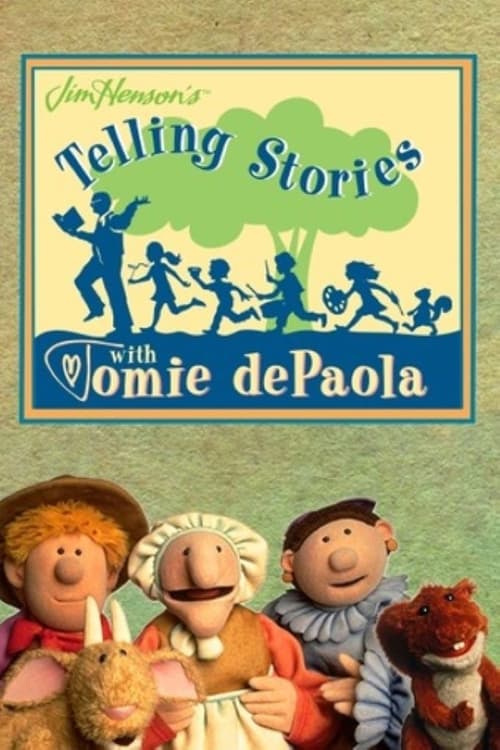
"Telling Stories with Tomie dePaola" is an animated children's television series that features the storytelling of Tomie dePaola, who narrates various tales inspired by his own experiences and cultural heritage. Each episode presents a different story, often accompanied by vibrant illustrations and animations that bring the narratives to life.
In the first episode, Tomie introduces the story of "Strega Nona," a beloved character from Italian folklore. The scene opens in a quaint Italian village where Strega Nona, an elderly woman known for her magical abilities, is seen tending to her garden. The villagers respect her for her wisdom and magical powers, particularly her ability to cure ailments and provide assistance.
As the story unfolds, Strega Nona is approached by a young man named Big Anthony, who is eager to learn her magical secrets. Strega Nona, however, is cautious and warns him that magic must be used responsibly. Despite her warnings, Big Anthony is determined to prove himself and earn her trust. He is motivated by a desire for recognition and the thrill of magic.
One day, Strega Nona leaves town for a visit, instructing Big Anthony to watch over her magical pasta pot. She emphasizes that he must not use it, as it is a powerful tool that can create endless pasta. However, Big Anthony's curiosity gets the better of him. After some internal conflict, he decides to use the pot, believing he can handle the magic.
As Big Anthony activates the pot, it begins to produce pasta uncontrollably. Initially, he is thrilled by the abundance of food, but soon the situation spirals out of control. The pasta overflows, filling the village and causing chaos. Villagers are seen struggling to manage the situation, and Big Anthony realizes the gravity of his mistake.
In a frantic attempt to stop the pot, Big Anthony tries various methods, but nothing works. The pasta continues to pour out, and the village is engulfed in a sea of noodles. The emotional weight of his actions weighs heavily on him as he grapples with feelings of guilt and fear of Strega Nona's reaction upon her return.
Finally, Strega Nona returns to find her village in disarray, covered in pasta. She quickly assesses the situation and, with a wave of her hand, uses her magic to stop the pot and clear the village. The villagers express their relief, but they also confront Big Anthony about his recklessness.
Strega Nona, while disappointed, shows understanding and compassion. She explains the importance of respecting magic and the responsibilities that come with it. Big Anthony learns a valuable lesson about humility and the consequences of his actions. The episode concludes with a sense of resolution as the villagers come together to enjoy a meal made from the leftover pasta, celebrating community and forgiveness.
In subsequent episodes, Tomie dePaola continues to share different stories, each with its own unique characters and moral lessons, all while maintaining the enchanting visual style and heartfelt narration that characterize his storytelling. Each tale is a standalone narrative, yet they all reflect themes of kindness, respect, and the importance of community.
🔥 Trending TV Shows Now
Browse All TV Shows →







What is the ending?
In the ending of "Telling Stories with Tomie dePaola," the stories come to a close as Tomie reflects on the importance of storytelling and the connections it creates among people. Each character's journey culminates in a celebration of their experiences, emphasizing the joy and lessons learned through their narratives.
As the episode progresses towards its conclusion, Tomie gathers the children around him, sharing the final stories that encapsulate the themes of friendship, family, and the power of imagination. The children listen intently, their faces illuminated with wonder and engagement. The atmosphere is warm and inviting, filled with laughter and the occasional gasp of surprise as Tomie weaves his tales.
In the final scenes, Tomie encourages the children to share their own stories, fostering a sense of community and creativity. The camera captures the children's animated expressions as they begin to recount their own adventures, showcasing their growth and newfound confidence. The episode closes with Tomie smiling, satisfied with the connections made and the stories shared, leaving the audience with a sense of fulfillment and inspiration.
As the episode nears its conclusion, the scene shifts to a cozy, sunlit room where Tomie dePaola sits surrounded by a group of eager children. The atmosphere is filled with a sense of anticipation as they gather around him, their eyes sparkling with curiosity. Tomie, with his warm demeanor and gentle smile, begins to share the final stories of the day, each one rich with vibrant imagery and heartfelt lessons.
The first story he tells is about a young girl who learns the value of kindness through her interactions with her friends and family. As Tomie narrates, the children are transported into the world of the story, their imaginations ignited by his expressive voice and animated gestures. They can almost see the colorful characters and feel the emotions of the young girl as she navigates her challenges. The children lean in closer, captivated by the unfolding tale, their faces reflecting a mix of empathy and joy.
Transitioning to the next story, Tomie shares a tale about a brave little boy who embarks on an adventure to find a lost treasure. The children are on the edge of their seats, their hearts racing as they follow the boy through forests and over mountains. Tomie's storytelling is punctuated by moments of suspense and excitement, and the children react with gasps and laughter, fully immersed in the journey. As the boy discovers the treasure, the lesson of perseverance and courage resonates deeply with the young audience.
As the final story concludes, Tomie pauses, allowing the weight of the narratives to settle in. He looks around at the children, their faces glowing with inspiration. With a twinkle in his eye, he encourages them to share their own stories, to express their thoughts and experiences. The children, initially hesitant, begin to open up, sharing snippets of their lives, their dreams, and their adventures. Each story is met with encouragement and enthusiasm from Tomie, who listens intently, validating their voices and fostering a sense of belonging.
The camera captures the joy and camaraderie among the children as they take turns sharing, their laughter echoing in the room. Tomie's heart swells with pride as he witnesses their growth and confidence. The scene is filled with warmth, a testament to the power of storytelling in building connections and nurturing creativity.
As the episode draws to a close, Tomie reflects on the importance of the stories shared that day. He smiles, knowing that each child has left with a piece of inspiration, a spark ignited within them to continue telling their own stories. The screen fades to black, leaving the audience with a lingering sense of hope and the understanding that stories are a vital part of the human experience, bridging gaps and fostering understanding among people of all ages.
Is there a post-credit scene?
"Telling Stories with Tomie dePaola" does not feature a post-credit scene. The show, which aired in 2001, is structured around Tomie dePaola sharing various stories, often accompanied by illustrations and animations that bring the tales to life. Each episode concludes with a wrap-up of the story told, focusing on the themes and lessons learned, but there are no additional scenes or content after the credits. The emphasis remains on storytelling and the emotional connections fostered through the narratives, rather than on any extended or hidden scenes.
What are some of the key stories told by Tomie dePaola in the series?
In 'Telling Stories with Tomie dePaola,' the series features several key stories, including 'Strega Nona,' which revolves around a kind-hearted witch who uses her magical powers to help her village, and 'The Legend of the Bluebonnet,' which tells the tale of a young girl who sacrifices her most prized possession to save her people, showcasing themes of selflessness and cultural heritage.
How does Tomie dePaola incorporate his own childhood experiences into the stories?
Tomie dePaola often draws from his own childhood experiences, infusing his narratives with personal anecdotes and memories. For instance, in episodes where he discusses family traditions or the importance of storytelling, viewers can sense his nostalgia and emotional connection to his past, which enriches the storytelling experience.
What role do the illustrations play in enhancing the stories told by Tomie dePaola?
The illustrations in 'Telling Stories with Tomie dePaola' serve as a vital component, bringing the characters and settings to life. Each story is accompanied by vibrant, expressive artwork that captures the emotions and actions of the characters, allowing viewers to engage more deeply with the narrative and feel the joy, sadness, or humor of each tale.
How does Tomie dePaola's character interact with the audience throughout the series?
Tomie dePaola's character often breaks the fourth wall, directly engaging with the audience by asking questions, sharing insights, and encouraging viewers to think about the stories' messages. This interaction creates a warm, inviting atmosphere, making the audience feel like they are part of the storytelling process.
What are some of the moral lessons conveyed through the stories in the series?
The stories in 'Telling Stories with Tomie dePaola' convey various moral lessons, such as the importance of kindness, the value of community, and the significance of cultural heritage. For example, in 'Strega Nona,' the lesson revolves around the consequences of greed and the importance of respecting others' gifts, while 'The Legend of the Bluebonnet' emphasizes sacrifice for the greater good.
Is this family friendly?
"Telling Stories with Tomie dePaola" is a family-friendly show that focuses on storytelling and the art of narrative. The series features Tomie dePaola, a beloved children's author and illustrator, as he shares various tales, often drawing from folklore, personal experiences, and cultural stories.
While the show is designed for children and promotes positive themes, there are a few aspects that might be considered sensitive for some viewers:
-
Themes of Loss: Some stories may touch on themes of loss or separation, which could evoke emotional responses in children or sensitive viewers.
-
Mild Frightening Elements: Certain tales may include mild suspense or slightly scary elements typical of folklore, such as encounters with mythical creatures or dark settings, which could be unsettling for very young children.
-
Cultural Contexts: Some stories may reflect cultural practices or historical contexts that could be unfamiliar or confusing to children, requiring adult guidance for understanding.
Overall, the show is crafted to be engaging and educational, with a focus on imagination and creativity, making it suitable for family viewing.