


Loading additional questions...
Popular
Should I watch it?
Ask Your Own Question

What is the plot?
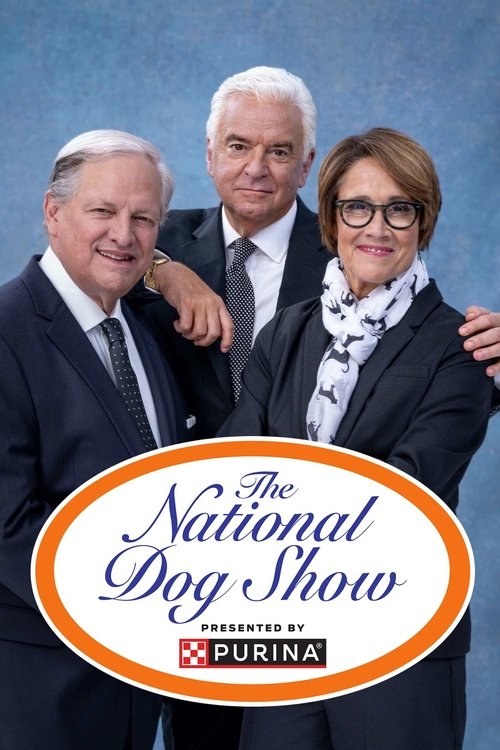
The National Dog Show, produced in 2002, begins with a vibrant atmosphere filled with excitement and anticipation as dog lovers and breeders gather at the Kennel Club of Philadelphia. The event is hosted by John O'Hurley, who brings a charismatic presence, and expert commentary is provided by the renowned dog show judge, David Frei. The camera pans over the bustling crowd, showcasing a variety of dog breeds, each with their own unique characteristics and charm.
As the show progresses, the first segment features the various breeds competing in their respective categories. Each breed is introduced with a brief history and description, highlighting their traits and the specific standards they must meet to be considered for the title. The audience is treated to stunning visuals of the dogs as they strut around the ring, showcasing their grooming, training, and obedience. The handlers, often dressed in formal attire, exhibit a deep bond with their dogs, demonstrating their hard work and dedication.
The competition intensifies as the judges begin to evaluate the dogs in each group. The camera captures the tension and excitement on the faces of the handlers and spectators alike. The judges meticulously examine each dog, looking for the perfect combination of physical attributes and temperament. The audience holds its breath as the first group winners are announced, with cheers erupting for the top contenders.
As the show continues, the focus shifts to the Sporting Group, where breeds like the Labrador Retriever and Golden Retriever compete. The dogs are seen performing various tasks, showcasing their agility and intelligence. The judges deliberate, and the winner of the Sporting Group is revealed, eliciting a mix of joy and disappointment among the competitors.
Next, the Hound Group takes the stage, featuring breeds such as the Beagle and the Dachshund. The atmosphere is electric as the dogs display their unique hunting skills and characteristics. The judges take their time, carefully assessing each dog, and the winner is announced, adding to the growing excitement of the event.
The Non-Sporting Group follows, with breeds like the Bulldog and Poodle. The diversity of the dogs in this group captivates the audience, and the judges face a challenging decision. After much deliberation, the winner is declared, and the crowd erupts in applause, showcasing the passion and dedication of the breeders and handlers.
As the show progresses, the Working Group is introduced, featuring breeds such as the Rottweiler and Siberian Husky. The dogs demonstrate their strength and versatility, impressing the judges with their performance. The winner of this group is announced, further heightening the competition as the event nears its climax.
The Toy Group is next, showcasing smaller breeds like the Chihuahua and Pomeranian. The charm and cuteness of these dogs bring smiles to the audience, and the judges carefully evaluate their characteristics. The winner is revealed, adding another layer of excitement to the competition.
Finally, the Herding Group takes the stage, with breeds like the German Shepherd and Border Collie. The dogs exhibit their intelligence and herding instincts, captivating the judges and the audience. The winner is announced, and the anticipation builds as the show approaches its final moments.
As the group winners are gathered for the ultimate competition, the atmosphere is charged with emotion. The handlers and their dogs stand side by side, each hoping for the coveted title of Best in Show. The judges deliberate intensely, weighing the strengths and weaknesses of each group winner. The camera captures the nervous energy of the handlers, their eyes filled with hope and anxiety.
In a dramatic moment, the judges make their final decision. The announcement of the Best in Show winner is met with a mix of cheers and gasps from the audience. The winning dog, a stunning breed that has captured the hearts of many, is crowned with a beautiful ribbon and trophy. The handler's face lights up with joy, tears of happiness streaming down as they embrace their dog, celebrating the culmination of years of hard work and dedication.
The show concludes with a montage of the day's highlights, showcasing the beauty and diversity of the dog breeds that participated. The emotional connections between the handlers and their dogs are evident, leaving a lasting impression on the audience as they reflect on the bond shared between humans and their canine companions.







What is the ending?
Is there a post-credit scene?
What breeds are featured in The National Dog Show?
The National Dog Show features a wide variety of dog breeds, showcasing both popular and rare breeds. Each year, the show includes groups such as the Sporting Group, Hound Group, Working Group, Terrier Group, Toy Group, Non-Sporting Group, Herding Group, and the Miscellaneous Class, highlighting the unique characteristics and traits of each breed.
Who are the main hosts of The National Dog Show?
The National Dog Show is hosted by John O'Hurley, who brings a charismatic presence to the event, and expert dog show commentator David Frei, who provides insightful commentary on the breeds and the judging process, enhancing the viewer's understanding of the competition.
What is the judging process like in The National Dog Show?
The judging process in The National Dog Show involves a panel of judges who evaluate the dogs based on breed standards, which include physical appearance, movement, and temperament. Each dog is examined closely, and the judges consider various factors such as coat quality, structure, and overall presentation before selecting winners in each category.
How do the dogs prepare for The National Dog Show?
Dogs preparing for The National Dog Show undergo extensive grooming and training. Handlers work diligently with their dogs to ensure they are well-behaved and can perform specific movements on command. This preparation often includes practicing in front of mirrors, socializing with other dogs, and maintaining a strict grooming regimen to showcase their best features.
What emotional moments are highlighted during The National Dog Show?
The National Dog Show often highlights emotional moments, such as the bond between handlers and their dogs, the joy of winning, and the heartbreak of not placing. These moments are captured through interviews and behind-the-scenes footage, showcasing the dedication and love that participants have for their canine companions.
Is this family friendly?
The National Dog Show, produced in 2002, is a family-friendly television event that celebrates the beauty and diversity of dog breeds through a competitive showcase. The show features various breeds being judged on their appearance, behavior, and adherence to breed standards.
While the program is generally suitable for all ages, there are a few aspects that might be considered potentially upsetting for children or sensitive viewers:
-
Competitive Pressure: The intense atmosphere of competition may be stressful for some viewers, as handlers and owners display a range of emotions, from excitement to disappointment.
-
Emotional Reactions: There are moments when participants may express sadness or frustration if their dog does not win or if they face challenges during the competition.
-
Animal Behavior: Some dogs may exhibit nervousness or reluctance in the show ring, which could be concerning for younger viewers who may not understand the context of the competition.
-
Judging Process: The judging process involves critical evaluations of the dogs, which might be difficult for some children to understand, especially if they are attached to a particular breed or dog.
Overall, The National Dog Show is designed to be an uplifting celebration of dogs and their owners, with a focus on the joy and companionship that pets bring to our lives.