



















Popular
What are the main conflicts faced by the character of İsmail in Şefkat Tepe?
How does the character of Zeynep evolve throughout the series?
What role does the character of Commander Halit play in the development of the plot?
What significant events lead to the climax of the series involving the character of Serdar?
How does the relationship between İsmail and Zeynep impact the narrative of Şefkat Tepe?
Should I watch it?
Ask Your Own Question

What is the plot?
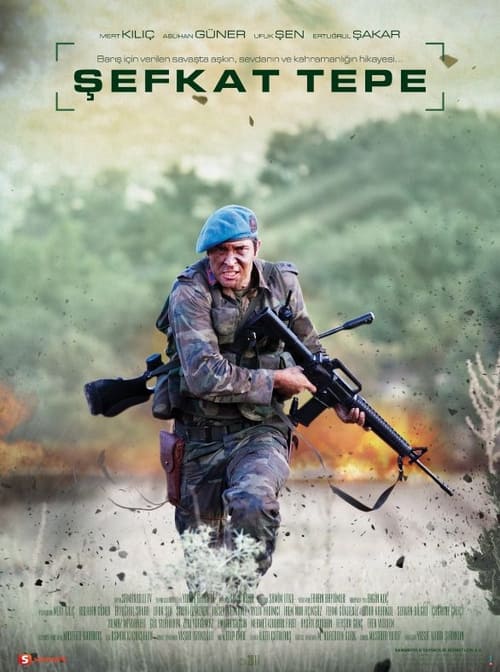
"Şefkat Tepe" begins with a focus on a group of Turkish special forces soldiers stationed in a remote area, tasked with combating terrorism and protecting the local population. The series opens with a tense atmosphere as the soldiers, led by the determined and principled Captain Halit, prepare for a mission. The camaraderie among the soldiers is evident, showcasing their strong bonds and shared commitment to their duty.
In the first few episodes, the team faces various challenges, including ambushes from terrorist groups. During one mission, they encounter a group of insurgents, leading to a fierce firefight. The soldiers display their training and teamwork, working in unison to outmaneuver the enemy. Captain Halit demonstrates leadership by making quick decisions under pressure, ultimately leading to the successful neutralization of the threat, but not without casualties on both sides.
As the series progresses, the personal lives of the soldiers are explored. Captain Halit struggles with the emotional toll of his job, often reflecting on the sacrifices made by his team. His relationship with his wife, who is supportive yet worried about his safety, adds depth to his character. Meanwhile, other soldiers also deal with their own personal issues, including family concerns and the psychological impact of their missions.
A significant plot point arises when the team receives intelligence about a high-ranking terrorist leader operating in the region. The soldiers embark on a dangerous mission to capture him, which involves extensive planning and reconnaissance. The tension builds as they prepare for the operation, knowing that failure could have dire consequences. During the mission, they face unexpected resistance, leading to a chaotic confrontation. The soldiers must adapt quickly, using their skills to navigate the hostile environment.
In a pivotal moment, the team successfully captures the terrorist leader, but not without sustaining injuries. The aftermath of the operation reveals the complexities of their mission, as they must deal with the repercussions of their actions. The captured leader provides critical information about future attacks, which heightens the urgency of their subsequent missions.
As the series continues, the soldiers confront moral dilemmas, questioning the effectiveness of their actions and the impact on the local population. Captain Halit becomes increasingly aware of the fine line between protecting civilians and engaging in combat. This internal conflict is mirrored in the experiences of his team members, who grapple with their roles in the ongoing conflict.
The narrative escalates when a new threat emerges, as a rival terrorist faction seeks revenge for the capture of their leader. The soldiers find themselves in a race against time to thwart an impending attack on a nearby village. The tension mounts as they prepare for a defensive operation, knowing that the safety of innocent lives hangs in the balance.
In a climactic sequence, the soldiers engage in a fierce battle to protect the village. The action is intense, with gunfire and explosions creating a chaotic backdrop. Each soldier plays a crucial role, showcasing their bravery and commitment. Captain Halit leads the charge, demonstrating both tactical acumen and emotional resilience as he fights to save the villagers.
The aftermath of the battle leaves the team with heavy hearts, as they reflect on the lives lost and the ongoing cycle of violence. The emotional weight of their experiences begins to take a toll on the soldiers, leading to moments of vulnerability and introspection. Captain Halit, in particular, struggles with the burden of leadership and the consequences of their actions.
As the series nears its conclusion, the soldiers face a final, decisive confrontation with the terrorist factions. The stakes are higher than ever, as they must confront not only external threats but also their own fears and doubts. The climax unfolds in a series of intense encounters, culminating in a showdown that tests their resolve and unity.
In the final moments, the soldiers emerge victorious but at a great cost. The series closes with a poignant reflection on the sacrifices made by the soldiers and the ongoing struggle for peace in the region. Captain Halit, now more introspective, contemplates the future and the hope for a better tomorrow, leaving viewers with a sense of both closure and the lingering complexities of war.









What is the ending?
In the ending of "Şefkat Tepe," the series culminates in a tense confrontation between the Turkish special forces and the terrorist group they have been pursuing. The main characters face significant personal losses and moral dilemmas, leading to a resolution that emphasizes sacrifice and the complexities of duty. The series concludes with a sense of unresolved tension, reflecting the ongoing struggles faced by the characters and their commitment to their mission.
As the final episodes unfold, the narrative begins with the special forces team, led by the determined and principled Captain Halit, preparing for a critical operation against a terrorist stronghold. The atmosphere is thick with anticipation and anxiety, as the team understands the stakes involved. Each member grapples with their own fears and motivations, revealing their deep-seated commitment to their country and the personal sacrifices they have made.
Scene by scene, the tension escalates. The team embarks on their mission under the cover of darkness, moving stealthily through rugged terrain. The camera captures the determination etched on Halit's face, juxtaposed with the youthful bravado of his team members, who are eager to prove themselves. As they approach the target, the sound of gunfire erupts, and chaos ensues. The team engages in a fierce firefight with the terrorists, showcasing their training and camaraderie.
In the midst of the battle, Halit faces a heart-wrenching moment when he encounters a former comrade turned enemy. This confrontation forces him to confront his own beliefs about loyalty and betrayal. The emotional weight of this encounter is palpable, as Halit struggles with the reality of having to fight against someone he once considered a brother.
As the operation progresses, the team suffers casualties. One of the beloved characters, Sergeant İsmail, is gravely injured, and the team must make a harrowing decision about whether to continue the mission or retreat to save him. The internal conflict is evident as Halit weighs the importance of their objective against the life of his friend. Ultimately, they choose to press on, driven by their sense of duty.
The climax of the series occurs when they finally breach the terrorists' stronghold. The scene is intense, filled with the sounds of gunfire and the cries of the wounded. Halit and his team fight valiantly, but the cost is high. In a final showdown, Halit confronts the terrorist leader, leading to a dramatic and emotional confrontation that tests his resolve and principles.
In the aftermath of the battle, the surviving members of the team are left to grapple with their losses. İsmail succumbs to his injuries, leaving a profound impact on Halit and the others. The emotional fallout is evident as they mourn their fallen comrade, reflecting on the sacrifices made in the name of duty. Halit, now burdened with grief and the weight of leadership, vows to honor İsmail's memory by continuing the fight against terrorism.
The series concludes with a poignant scene of Halit standing at the gravesite of his fallen friends, a symbol of the ongoing struggle faced by those in the line of duty. The camera pans out, leaving viewers with a sense of unresolved tension, as the fight against terrorism continues, and the characters are left to navigate their complex emotions and the realities of their choices.
In summary, the fates of the main characters are marked by sacrifice and loss. Halit emerges as a leader shaped by his experiences, while the team is forever changed by the events they have endured. The series ends on a note that emphasizes the ongoing nature of their mission and the personal costs associated with it, leaving the audience to reflect on the themes of duty, sacrifice, and the human cost of conflict.
Is there a post-credit scene?
The TV show "Şefkat Tepe," which aired in 2010, does not feature a post-credit scene. The series concludes its episodes without any additional scenes after the credits roll. Each episode typically wraps up its storyline, focusing on the lives of the characters, their struggles, and the overarching themes of love, sacrifice, and duty within the context of military and personal relationships. The absence of post-credit scenes allows for a more straightforward narrative closure, emphasizing the emotional weight of the preceding events.
What are the main conflicts faced by the character of İsmail in Şefkat Tepe?
İsmail, a dedicated and principled soldier, faces numerous conflicts throughout the series. His primary struggle revolves around balancing his duty to protect his country and the moral dilemmas that arise from the violence of war. He often grapples with the emotional toll of losing comrades and the impact of his decisions on innocent civilians. His internal conflict is heightened by his relationships with his fellow soldiers and the civilians they encounter, leading to moments of doubt and reflection on the nature of justice and sacrifice.
How does the character of Zeynep evolve throughout the series?
Zeynep begins as a compassionate nurse who is deeply affected by the suffering of the wounded soldiers and civilians. As the series progresses, her character evolves from a passive observer to an active participant in the lives of those around her. She becomes more resilient and assertive, often challenging the male-dominated environment of the military. Her emotional journey is marked by her growing attachment to İsmail, which complicates her professional duties and personal beliefs, ultimately leading her to confront her own values and the harsh realities of war.
What role does the character of Commander Halit play in the development of the plot?
Commander Halit serves as a mentor and father figure to İsmail and the other soldiers. His leadership style is characterized by a blend of strict discipline and deep care for his men. Throughout the series, Halit faces the burden of command, making difficult decisions that often put him at odds with his own moral compass. His character is pivotal in shaping the soldiers' camaraderie and morale, and his struggles with the consequences of war highlight the emotional weight of leadership. Halit's interactions with İsmail often serve as a catalyst for İsmail's growth and understanding of duty.
What significant events lead to the climax of the series involving the character of Serdar?
Serdar, a soldier with a troubled past, becomes a central figure in the series as his actions lead to a series of escalating conflicts. His reckless behavior and desire for glory put him at odds with İsmail and the rest of the unit. Key events include his involvement in a controversial mission that results in civilian casualties, which creates a rift within the team. The climax is reached when Serdar's decisions culminate in a life-threatening situation for his comrades, forcing İsmail to confront his loyalty to his friend versus his duty to protect others. This moment serves as a turning point for both characters, leading to a dramatic resolution.
How does the relationship between İsmail and Zeynep impact the narrative of Şefkat Tepe?
The relationship between İsmail and Zeynep is a central emotional thread in the narrative of Şefkat Tepe. Their bond begins with mutual respect and admiration, as Zeynep cares for the wounded soldiers, including İsmail. As they face the horrors of war together, their relationship deepens, becoming a source of strength and vulnerability. This connection influences İsmail's decisions on the battlefield, as he often reflects on Zeynep's perspective and the human cost of their actions. Their love story is interwoven with themes of sacrifice and hope, ultimately highlighting the personal stakes of war amidst the chaos.
Is this family friendly?
"Şefkat Tepe," produced in 2010, is a Turkish television series that revolves around the lives of soldiers and their families, focusing on themes of love, sacrifice, and the challenges faced by military personnel. While the show has a strong narrative and emotional depth, it does contain elements that may not be suitable for all audiences, particularly children or sensitive viewers.
-
Violence and Combat Scenes: The series includes depictions of military operations, which may feature gunfire, explosions, and injuries. These scenes can be intense and may evoke feelings of fear or anxiety.
-
Emotional Turmoil: Characters often experience significant emotional distress due to the dangers of their profession, including loss and separation from loved ones. This can lead to scenes of crying, despair, and intense conversations about mortality.
-
Death and Grief: The show addresses themes of loss, with characters mourning fallen comrades or family members. These moments can be heavy and may be upsetting for younger viewers.
-
Conflict and Tension: There are instances of interpersonal conflict, both within families and among soldiers, which can lead to arguments and emotional confrontations.
-
Romantic Relationships: The series explores romantic relationships that may include themes of longing, heartbreak, and the challenges of love in a military context, which might be complex for younger audiences to understand.
Overall, while "Şefkat Tepe" offers a compelling narrative, its portrayal of military life and the associated emotional and physical challenges may not be suitable for all viewers, particularly children or those sensitive to such themes.