












Popular
What challenges does Fitz face in his relationship with his father in Season 3?
How does the character of Larry evolve throughout Season 3?
What role does the character of Mary play in Fitz's life during Season 3?
What are the key events that lead to Fitz's professional setbacks in Season 3?
How does the theme of redemption manifest in Fitz's character arc in Season 3?
Should I watch it?
Ask Your Own Question

What is the plot?
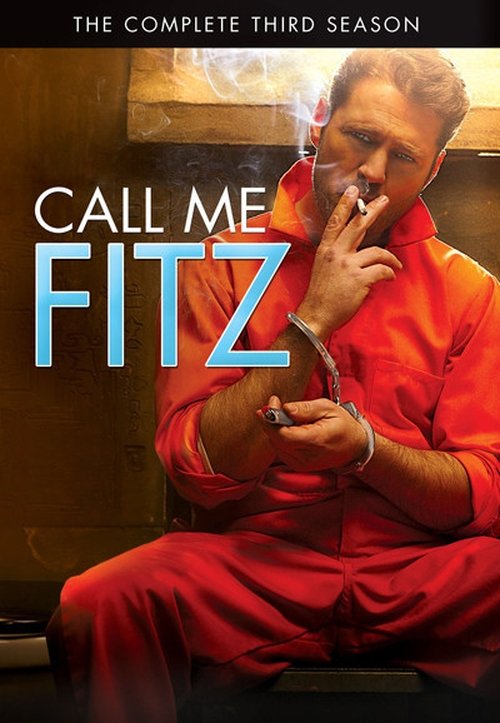
In the opening of Season 3 of "Call Me Fitz," we find Fitz, played by Jason Priestley, grappling with the aftermath of his tumultuous life choices. He is still running his used car dealership, Fitz's Auto, and is trying to maintain a semblance of normalcy. However, his internal struggles are palpable as he continues to deal with the consequences of his hedonistic lifestyle and the impact it has on his relationships, particularly with his assistant, Larry, and his estranged father, who has recently re-entered his life.
As the season progresses, Fitz's father, who is a con artist, becomes a significant presence. Fitz is torn between his desire to reconnect with his father and the realization that he is a bad influence. This conflict leads to a series of emotional confrontations where Fitz must confront his own identity and the legacy of his family. The tension escalates when Fitz's father proposes a scheme that could potentially ruin Fitz's business, forcing Fitz to make a choice between loyalty to his father and his own moral compass.
In a pivotal episode, Fitz's relationship with Larry is tested when Larry decides to take a stand against Fitz's reckless behavior. Larry, who has always been the voice of reason, confronts Fitz about his self-destructive tendencies. This confrontation leads to a rift between the two, with Larry questioning whether he can continue to work for someone who refuses to change. Fitz, feeling abandoned, spirals further into his old habits, which culminates in a wild night out that ends with him in a compromising situation.
Meanwhile, the subplot involving the dealership intensifies as Fitz faces competition from a rival dealer who is using underhanded tactics to undermine Fitz's business. This rivalry forces Fitz to confront not only his professional ethics but also his personal demons. He finds himself in a series of escalating confrontations with the rival dealer, leading to a dramatic showdown that tests his resolve and commitment to his business.
As the season nears its climax, Fitz's relationships reach a breaking point. His father's manipulations come to light, and Fitz must decide whether to cut ties with him for good. This decision is compounded by the realization that his father's actions have put his business at risk. In a moment of clarity, Fitz chooses to stand up for himself and his business, leading to a confrontation with his father that is both emotional and cathartic.
The season finale brings all these threads together as Fitz faces the consequences of his choices. He must confront not only his father but also the impact of his actions on those around him. The emotional stakes are high as Fitz attempts to reconcile his past with his present, leading to a dramatic resolution that sets the stage for future developments. The season ends on a note of uncertainty, with Fitz at a crossroads, leaving viewers eager to see how he will navigate the complexities of his life moving forward.









What is the ending?
In the ending of "Call Me Fitz" Season 3, Fitz faces the consequences of his actions and the relationships he has strained. The season culminates in a confrontation that forces him to reevaluate his life choices. The finale leaves Fitz at a crossroads, grappling with his identity and the impact of his decisions on those around him.
As the final episode unfolds, we see Fitz in a state of turmoil. He is confronted by the fallout of his manipulative behavior, particularly regarding his relationships with his family and friends. The tension builds as Fitz's actions come back to haunt him, leading to a series of emotional confrontations.
In a pivotal scene, Fitz finds himself in a heated argument with his father, who represents the traditional values Fitz has often rejected. This confrontation forces Fitz to confront his own insecurities and the legacy he wishes to leave behind. The emotional weight of their exchange reveals Fitz's deep-seated fears of inadequacy and his struggle for acceptance.
Simultaneously, Fitz's relationship with his assistant, Larry, reaches a breaking point. Larry, who has been a loyal friend, finally stands up to Fitz, expressing his frustration over Fitz's selfishness. This moment is crucial as it highlights the theme of loyalty versus self-interest, showcasing how Fitz's actions have alienated those closest to him.
As the episode progresses, Fitz attempts to make amends, but his efforts are met with skepticism. He realizes that rebuilding trust will take time and genuine effort. The emotional stakes are high as Fitz grapples with the reality of his choices, leading to a moment of vulnerability where he acknowledges his flaws.
In the closing scenes, Fitz is left alone, reflecting on his journey. The camera lingers on his face, capturing a mix of regret and determination. He understands that change is necessary, but the path forward is uncertain. The season ends on a note of ambiguity, leaving Fitz's future open to interpretation.
The fates of the main characters are intertwined with Fitz's journey. Larry, having stood up for himself, is at a crossroads as well, contemplating his own future and the possibility of moving on from Fitz's shadow. Fitz's father, while disappointed, still holds a glimmer of hope for reconciliation, suggesting that there may be a chance for healing in their relationship. The season concludes with a sense of unresolved tension, emphasizing the complexity of human relationships and the ongoing struggle for personal growth.
Is there a post-credit scene?
In Season 3 of "Call Me Fitz," there is indeed a post-credit scene that adds a humorous twist to the episode. After the main storyline concludes, the scene opens with Fitz, played by Jason Priestley, in a somewhat chaotic setting. He is seen in a bar, engaging in a conversation with a group of people who are clearly intrigued by his wild stories and antics.
As the camera zooms in, Fitz is animatedly recounting a particularly outrageous tale about his recent misadventures, complete with exaggerated gestures and a charismatic flair that draws in his audience. The atmosphere is lively, filled with laughter and camaraderie, showcasing Fitz's natural ability to charm those around him, despite his often morally questionable behavior.
However, the scene takes a comedic turn when Fitz's loyal but often exasperated assistant, Larry, enters the bar, looking for him. Larry's expression is a mix of annoyance and disbelief as he overhears Fitz's embellished storytelling. The contrast between Fitz's bravado and Larry's grounded demeanor highlights their dynamic relationship, filled with tension yet underscored by a deep bond.
As the scene wraps up, Fitz notices Larry and attempts to shift the narrative, but Larry, unimpressed, simply shakes his head and walks away, leaving Fitz to continue his tale, oblivious to the reality of his situation. This post-credit moment encapsulates the show's blend of humor and character-driven storytelling, leaving viewers with a light-hearted conclusion to the episode.
What challenges does Fitz face in his relationship with his father in Season 3?
In Season 3, Fitz grapples with the complexities of his relationship with his father, who re-enters his life after a long absence. Fitz struggles with feelings of abandonment and resentment, as his father's return stirs up old wounds. The emotional tension escalates as Fitz attempts to reconcile his desire for paternal approval with his instinct to reject his father's manipulative tendencies. This internal conflict leads to several confrontations, where Fitz's vulnerability is laid bare, revealing his deep-seated fears of inadequacy.
How does the character of Larry evolve throughout Season 3?
Larry, Fitz's loyal but often misguided friend, experiences significant growth in Season 3. Initially portrayed as a bumbling sidekick, Larry begins to assert himself more, particularly in his romantic pursuits. His relationship with a new love interest challenges him to step out of Fitz's shadow and confront his own insecurities. This evolution is marked by moments of both comedic relief and poignant self-discovery, as Larry learns to balance his loyalty to Fitz with his own needs and desires.
What role does the character of Mary play in Fitz's life during Season 3?
Mary, Fitz's love interest, plays a crucial role in Season 3 as she becomes a source of both support and conflict for him. Her presence forces Fitz to confront his emotional baggage and the patterns of self-sabotage that have plagued his relationships. As their romance develops, Mary challenges Fitz to be more honest and vulnerable, which leads to moments of intimacy but also tension as Fitz grapples with his fear of commitment. The dynamic between them is fraught with both passion and uncertainty, reflecting Fitz's ongoing struggle for personal growth.
What are the key events that lead to Fitz's professional setbacks in Season 3?
Throughout Season 3, Fitz faces a series of professional setbacks that stem from his reckless behavior and poor decision-making. Key events include a disastrous business deal that he impulsively enters into, driven by his desire to prove himself. This deal backfires, leading to financial losses and strained relationships with his colleagues. Additionally, Fitz's tendency to prioritize personal desires over professional responsibilities creates friction within his team, culminating in a pivotal moment where he must confront the consequences of his actions and reassess his priorities.
How does the theme of redemption manifest in Fitz's character arc in Season 3?
In Season 3, Fitz's journey towards redemption is marked by a series of missteps and realizations. He grapples with the consequences of his past actions, particularly in his relationships with family and friends. Throughout the season, Fitz seeks to make amends, often stumbling along the way. His attempts at redemption are highlighted in moments of vulnerability, where he confronts his flaws and seeks forgiveness from those he has wronged. This theme is woven into the fabric of his character arc, as Fitz learns that true redemption requires not just acknowledgment of his mistakes, but a commitment to change.
Is this family friendly?
"Call Me Fitz" is a dark comedy that often explores adult themes and contains content that may not be suitable for children or sensitive viewers. Here are some potentially objectionable aspects:
-
Strong Language: The show frequently includes profanity and crude language, which may not be appropriate for younger audiences.
-
Sexual Content: There are numerous references to sexual situations, innuendos, and explicit discussions that could be uncomfortable for children or sensitive viewers.
-
Substance Use: Characters are often depicted engaging in drinking and drug use, which may not be suitable for younger viewers.
-
Dark Humor: The show employs a style of humor that can be cynical and may touch on themes of moral ambiguity, which might be upsetting for some.
-
Violence: While not overly graphic, there are instances of physical altercations and aggressive behavior that could be concerning.
-
Emotional Turmoil: Characters often experience significant emotional struggles, including themes of betrayal, depression, and dysfunctional relationships, which may resonate negatively with sensitive viewers.
Overall, the show's tone and content are geared towards an adult audience, making it less suitable for children.