




Popular
What motivates Lee Hoe-young to become a freedom fighter in the series?
How does the relationship between Lee Hoe-young and his mentor evolve throughout the series?
What role does the character of Kim Ji-soo play in Lee Hoe-young's journey?
What are the key challenges Lee Hoe-young faces in his fight against the regime?
How does the series depict the impact of war on civilian life through its characters?
Should I watch it?
Ask Your Own Question

What is the plot?
In the year 1910, Korea is under Japanese colonial rule. The story begins with Lee Hoe-young, a passionate and determined young man who is deeply affected by the oppression of his people. He witnesses the brutal treatment of his fellow Koreans by Japanese soldiers, which ignites a fire within him to fight for freedom. Hoe-young's internal struggle is palpable as he grapples with the fear of losing his loved ones and the desire to take action against the injustices surrounding him.
As the narrative unfolds, Hoe-young meets a group of like-minded individuals who share his vision for a free Korea. Among them is Kim Ji-soo, a strong-willed woman who becomes a key ally and love interest for Hoe-young. Their relationship develops amidst the chaos of their revolutionary activities, and Ji-soo's unwavering support fuels Hoe-young's resolve. The group begins to plan a series of protests and sabotage missions against the Japanese authorities, showcasing their bravery and commitment to the cause.
The first major operation involves the group attempting to sabotage a Japanese military supply train. They meticulously plan the attack, gathering intelligence and preparing explosives. On the day of the operation, tension runs high as they position themselves along the tracks. When the train approaches, they execute their plan flawlessly, detonating the explosives and causing significant damage. However, the aftermath is chaotic, as Japanese soldiers quickly respond, leading to a fierce gunfight. Hoe-young and his comrades narrowly escape, but not without casualties, leaving them shaken and more determined than ever.
In the following weeks, the group continues to carry out acts of resistance, including distributing pamphlets that call for independence and organizing rallies. During one such rally, they are met with violent opposition from Japanese forces. The confrontation escalates, and Hoe-young finds himself in a brutal fight to protect his fellow protesters. The emotional weight of the violence weighs heavily on him, as he struggles with the consequences of their actions and the loss of life.
As the resistance grows, so does the Japanese government's crackdown on dissent. Hoe-young's group faces increasing danger, and they must go into hiding. During this time, Ji-soo reveals that she is pregnant, adding a layer of complexity to their relationship. Hoe-young is torn between his responsibilities as a leader and his desire to protect Ji-soo and their unborn child. This personal conflict drives him to make a pivotal decision to seek out more powerful allies, leading him to connect with a larger underground movement.
The narrative takes a dramatic turn when Hoe-young learns of a planned assassination of a high-ranking Japanese official. He sees this as an opportunity to strike a significant blow against the oppressors. The group meticulously plans the operation, knowing that failure could mean dire consequences. On the day of the assassination, they infiltrate a heavily guarded event. Tension mounts as they navigate through the crowd, and when the moment arrives, Hoe-young takes the shot, successfully killing the official. However, the operation triggers a massive manhunt for the group, forcing them to scatter and go underground.
In the aftermath, the group faces betrayal from within. One of their own, driven by fear and self-preservation, informs the Japanese authorities of their hideout. The ensuing raid is brutal, with many members captured or killed. Hoe-young and Ji-soo manage to escape, but the loss of their friends weighs heavily on them. They are now fugitives, constantly on the run, and their relationship is tested as they navigate the dangers of their new reality.
As the story progresses, Hoe-young becomes increasingly disillusioned with the violence and loss. He begins to question the effectiveness of their methods and considers alternative approaches to achieving freedom. Ji-soo, on the other hand, remains steadfast in her belief that they must continue to fight. This ideological rift creates tension between them, culminating in a heated argument where Hoe-young expresses his fears of losing everything he holds dear.
In a desperate attempt to regroup, Hoe-young reaches out to other resistance leaders, hoping to unite their efforts. He attends secret meetings, where he learns of a larger plan to coordinate a nationwide uprising. The stakes are higher than ever, and the group must prepare for a final confrontation with the Japanese forces. As they gather resources and rally support, the emotional toll of their journey becomes evident, with each character grappling with their own fears and hopes for the future.
The climax of the series occurs during the planned uprising. The streets of Seoul are filled with protesters, and the atmosphere is charged with both hope and fear. Hoe-young leads his group into the heart of the conflict, determined to make a stand for their freedom. The battle is fierce, with both sides suffering heavy losses. Hoe-young fights valiantly, but the chaos of the uprising takes a tragic turn when Ji-soo is gravely injured in the crossfire.
In the aftermath of the uprising, the resistance faces severe repercussions. Many are captured, and the movement is dealt a significant blow. Hoe-young, devastated by Ji-soo's injury and the loss of his comrades, is left to pick up the pieces. He reflects on the sacrifices made and the cost of their fight for freedom. The series concludes with Hoe-young standing at a crossroads, contemplating the future of the resistance and the enduring spirit of the Korean people. The emotional weight of their struggle lingers, leaving a lasting impact on both him and the audience.
🔥 Trending TV Shows Now
Browse All TV Shows →







What is the ending?
In the ending of "Freedom Fighter," Lee Hoe-young, the protagonist, faces a climactic confrontation with the oppressive forces he has been battling against. The struggle culminates in a poignant moment of sacrifice, where Lee makes a significant choice that impacts not only his fate but also the future of his comrades and the movement for freedom. The series concludes with a sense of hope, as the remaining characters reflect on their journey and the legacy of their fight.
As the final episodes unfold, the tension escalates. Lee Hoe-young, having gathered his allies, prepares for a decisive battle against the regime that has long suppressed their rights. The atmosphere is thick with anticipation and fear, as the group knows that this confrontation could lead to their liberation or their demise.
Scene 1: The Gathering of Allies In a dimly lit hideout, Lee stands before his fellow fighters, their faces illuminated by flickering candles. Each character is visibly anxious, their eyes betraying a mix of determination and dread. Lee speaks passionately, rallying them with a speech about freedom and the sacrifices that must be made. His voice trembles with emotion, revealing his deep commitment to their cause. The camera pans across the group, capturing their nods of agreement, their hands clenched in resolve.
Scene 2: The Confrontation The scene shifts to the outskirts of the city, where the regime's forces have set up a blockade. Lee and his allies approach stealthily, their hearts pounding in their chests. The tension is palpable as they exchange glances, silently communicating their fears and hopes. As they engage in a fierce battle, the sounds of gunfire and shouts fill the air. Lee fights valiantly, his movements fueled by a mix of adrenaline and desperation. He witnesses his comrades fall, each loss weighing heavily on his heart.
Scene 3: The Sacrifice In a pivotal moment, Lee finds himself face-to-face with the leader of the oppressive regime. The confrontation is intense, filled with heated exchanges that reveal the ideological divide between them. Lee, realizing that the only way to ensure his comrades' escape is to distract the enemy, makes a heart-wrenching decision. He charges at the enemy leader, drawing fire away from his friends. The camera captures the moment in slow motion, emphasizing the gravity of his choice. As he is shot, a look of fierce determination remains on his face, embodying the spirit of a true freedom fighter.
Scene 4: The Aftermath The battle concludes with the remaining fighters managing to escape, but not without deep emotional scars. They gather at a safe location, their faces marked by grief and loss. The camera lingers on each character, showcasing their expressions of sorrow and resilience. They mourn Lee's sacrifice, but also find strength in his legacy. The group vows to continue the fight for freedom, inspired by Lee's bravery.
Scene 5: A New Dawn In the final moments, the sun rises over the horizon, casting a warm glow on the survivors. They stand together, united in their purpose, ready to carry on Lee's dream. The series ends with a sense of hope, as they look towards the future, determined to honor their fallen leader and the ideals he fought for.
In summary, the fates of the main characters are intertwined with Lee's sacrifice. Lee Hoe-young becomes a martyr for the cause, his legacy inspiring his comrades to continue the struggle for freedom. The remaining fighters, though burdened by loss, find a renewed sense of purpose, symbolizing the enduring spirit of resistance against oppression. The series closes on a note of hope, emphasizing that while the fight is far from over, the spirit of freedom will always prevail.
Is there a post-credit scene?
In the 2010 television series "Freedom Fighter," produced by Lee Hoe-young, there is no post-credit scene. The series concludes its narrative without any additional scenes after the credits roll. The final moments of the show focus on the resolution of the main characters' arcs and the overarching themes of sacrifice and hope in the fight for freedom. The absence of a post-credit scene allows the audience to reflect on the journey of the characters and the impact of their struggles, leaving a lasting emotional resonance as the credits play.
What motivates Lee Hoe-young to become a freedom fighter in the series?
Lee Hoe-young is driven by a deep sense of justice and a personal vendetta against the oppressive regime that has wronged his family. The loss of his loved ones to the regime's brutality fuels his desire to fight back, making his journey not just a political struggle but a deeply personal one.
How does the relationship between Lee Hoe-young and his mentor evolve throughout the series?
Initially, Lee Hoe-young views his mentor as a father figure, someone who guides him through the complexities of resistance. However, as the series progresses, their relationship becomes strained due to differing ideologies and methods of fighting the regime. This tension culminates in a pivotal moment where Hoe-young must choose between loyalty to his mentor and his own beliefs.
What role does the character of Kim Ji-soo play in Lee Hoe-young's journey?
Kim Ji-soo serves as both a love interest and a moral compass for Lee Hoe-young. Her unwavering belief in peace and diplomacy contrasts sharply with Hoe-young's more aggressive tactics. As the series unfolds, Ji-soo's influence leads Hoe-young to question his methods and the cost of his quest for freedom, adding emotional depth to his character arc.
What are the key challenges Lee Hoe-young faces in his fight against the regime?
Lee Hoe-young encounters numerous challenges, including betrayal from within his ranks, the constant threat of capture by government forces, and the moral dilemmas of violence versus non-violence. Each challenge tests his resolve and forces him to confront the consequences of his actions on both a personal and societal level.
How does the series depict the impact of war on civilian life through its characters?
The series poignantly illustrates the devastating effects of war on civilians through various characters who experience loss, displacement, and trauma. For instance, the character of Park Min-ji, a mother who loses her child to the violence, embodies the emotional toll of the conflict, highlighting the collateral damage of the freedom struggle and deepening the narrative's emotional resonance.
Is this family friendly?
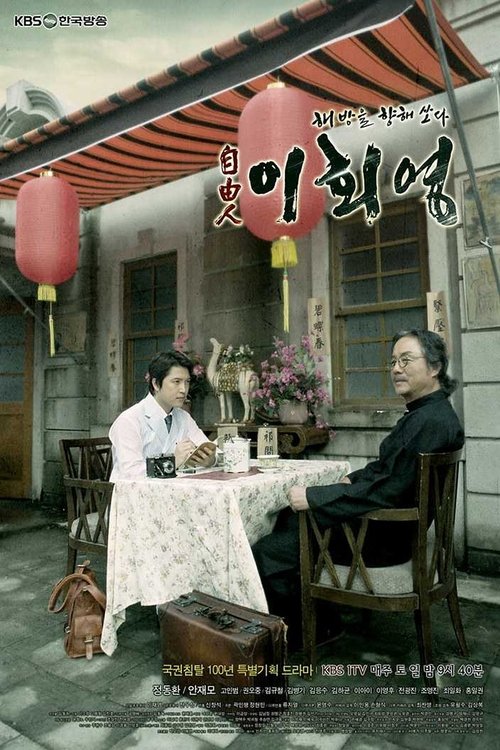
"Freedom Fighter," produced by Lee Hoe-young in 2010, is a historical drama that delves into the struggles and sacrifices of individuals fighting for their country's independence. While the show is rich in emotional depth and historical context, it does contain several elements that may be considered objectionable or upsetting for children or sensitive viewers.
-
Violence and Conflict: The series portrays various battles and acts of resistance against oppressive forces. Scenes may include physical confrontations, injuries, and the aftermath of violence, which could be distressing.
-
Death and Loss: Characters experience significant loss, including the deaths of loved ones. These moments are depicted with emotional weight, showcasing grief and mourning, which may be heavy for younger audiences.
-
Oppression and Injustice: The narrative addresses themes of oppression, including the suffering of individuals under colonial rule. This can include scenes of imprisonment, torture, and the harsh realities faced by those fighting for freedom.
-
Emotional Turmoil: Characters often grapple with intense emotions such as despair, betrayal, and hopelessness. The portrayal of these feelings can be quite profound and may resonate deeply with sensitive viewers.
-
Mature Themes: The show explores complex themes such as sacrifice, loyalty, and the moral dilemmas faced in times of war, which may be difficult for younger viewers to fully comprehend.
Overall, while "Freedom Fighter" is a compelling narrative about resilience and courage, its depiction of violence, loss, and emotional struggles may not be suitable for all children or sensitive individuals. Viewer discretion is advised.