







Popular
What unique ability does Tadayasu Sawaki possess, and how does it affect his interactions with others?
How does the character of Kei Yuki influence Tadayasu's development throughout the series?
What role do the various microorganisms play in the fermentation process as depicted in the series?
How does the relationship between Tadayasu and his childhood friend, Aoi, evolve throughout the series?
What challenges does Tadayasu face in adapting to life at the agricultural university?
Should I watch it?
Ask Your Own Question

What is the plot?
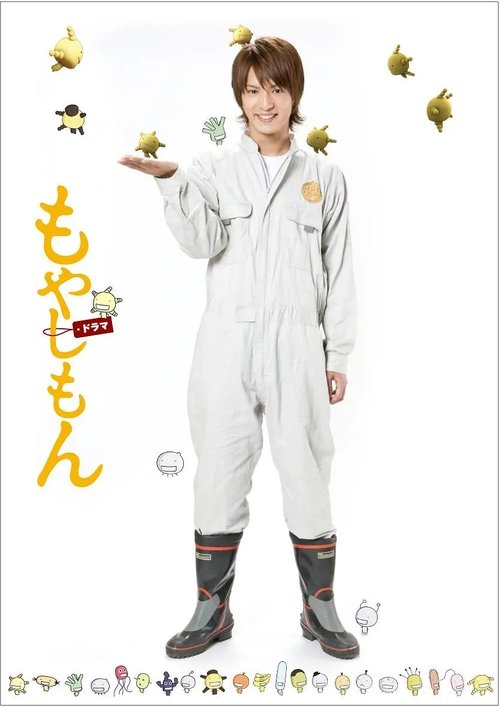
Moyashimon begins with Tadayasu Sawaki, a first-year student at an agricultural university in Japan, arriving on campus. He is unique because he possesses the ability to see and communicate with microorganisms, including bacteria and yeast, which appear as small, anthropomorphic characters. This ability isolates him from his peers, as they find it hard to believe or understand his visions.
In his first days at the university, Tadayasu meets his classmates, including the confident and somewhat brash Kei Yuki, who is determined to become a successful brewer. He also encounters the serious and studious Ryouko Sakurai, who is focused on her studies and has a strong interest in fermentation. Tadayasu's ability becomes a point of fascination and skepticism among his peers, leading to various interactions where he tries to explain what he sees.
As the semester progresses, Tadayasu is introduced to the world of fermentation and brewing. He attends classes where he learns about the science behind yeast and bacteria, and he begins to understand the importance of these microorganisms in food production. His visions of the microbes help him grasp complex concepts, and he starts to appreciate the beauty of fermentation.
One day, Tadayasu and his classmates are tasked with creating their own sake. They work together, and Tadayasu's ability proves invaluable as he can see the yeast's activity and health. However, tensions arise when Kei's competitive nature leads to a rivalry with another group of students. This rivalry culminates in a brewing competition, where Tadayasu's insights help them refine their sake, but they face challenges from the other team.
During the brewing competition, Tadayasu's visions become more intense, revealing the struggles of the yeast and bacteria involved in the fermentation process. He experiences a moment of panic when he sees a harmful bacteria threatening their brew. He quickly informs his classmates, and they work together to mitigate the issue, showcasing teamwork and the importance of understanding microorganisms.
As the competition concludes, Tadayasu's group presents their sake, which is well-received. However, the victory is bittersweet as they realize the complexities of brewing and the challenges that lie ahead. Tadayasu's relationship with his classmates deepens, and he begins to feel more accepted despite his unique ability.
In a later episode, Tadayasu's visions lead him to discover a rare strain of bacteria that could enhance the flavor of their sake. He becomes excited about the potential, but his classmates are skeptical about the risks involved in using an untested strain. Tadayasu must navigate the tension between his enthusiasm for experimentation and the caution of his peers.
As the series progresses, Tadayasu's ability continues to draw attention, leading to encounters with various characters, including professors and industry professionals. He learns about the ethical implications of fermentation and the responsibilities that come with his knowledge. His internal struggle revolves around the desire to share his gift while grappling with the fear of being misunderstood.
In a pivotal moment, Tadayasu faces a moral dilemma when he discovers that a fellow student is using unethical methods to produce a superior product. He must decide whether to confront the student and risk alienating his peers or remain silent and compromise his values. Ultimately, he chooses to speak up, leading to a confrontation that tests his relationships.
The series culminates in a significant event where Tadayasu and his classmates participate in a large-scale fermentation festival. They showcase their brewing skills and the knowledge they have gained throughout the semester. Tadayasu's visions play a crucial role in ensuring the success of their presentation, and he feels a sense of pride in his contributions.
As the festival concludes, Tadayasu reflects on his journey, realizing that his ability to see microorganisms has not only helped him academically but has also allowed him to forge meaningful connections with his classmates. The series ends on a hopeful note, with Tadayasu looking forward to future challenges and adventures in the world of fermentation.
🔥 Trending TV Shows Now
Browse All TV Shows →







What is the ending?
In the ending of Moyashimon, the main character, Tadayasu Sawaki, faces the culmination of his experiences at the agricultural university. He decides to pursue a path that embraces his unique ability to see and communicate with microorganisms. The series concludes with Tadayasu and his friends reflecting on their growth and the bonds they have formed, while also looking forward to their futures in the world of fermentation and agriculture.
As the final episodes unfold, we find Tadayasu Sawaki, now more confident in his abilities, preparing for the graduation ceremony at the agricultural university. The atmosphere is filled with a mix of excitement and nostalgia as students gather to celebrate their achievements. Tadayasu, who has struggled with his identity and the burden of his unique talent, feels a sense of belonging among his peers.
In a pivotal scene, Tadayasu stands with his friends, including the spirited Kei Yuki and the ambitious Ryuuta Satou. They reminisce about their shared experiences, from the challenges of fermentation experiments to the humorous encounters with various microorganisms. The camaraderie they have developed is palpable, and Tadayasu realizes how much he has grown through these relationships.
As the graduation ceremony begins, Tadayasu is called to the stage to receive his diploma. The moment is bittersweet; he feels a mix of pride and apprehension about the future. He glances at his friends, who cheer him on, and he is filled with gratitude for their support. This moment signifies not just the end of his academic journey but also the beginning of a new chapter where he can utilize his unique gift.
After the ceremony, Tadayasu and his friends gather for a celebratory meal, where they discuss their plans moving forward. Kei expresses her desire to continue her studies in fermentation, while Ryuuta shares his ambition to start a business related to agricultural products. Tadayasu, inspired by their aspirations, declares his intention to work in a field that allows him to explore the world of microorganisms further. This decision marks a turning point for him, as he embraces his identity rather than shying away from it.
In the final scenes, the group shares a heartfelt toast, symbolizing their friendship and the bonds they have formed. Tadayasu looks around at his friends, feeling a deep sense of connection and purpose. The series closes with a montage of Tadayasu engaging with various microorganisms, showcasing his growth and acceptance of his abilities. The screen fades to black, leaving viewers with a sense of hope and the promise of new beginnings for Tadayasu and his friends.
In summary, the ending of Moyashimon encapsulates themes of friendship, personal growth, and the acceptance of one's unique abilities. Each character finds their path, and Tadayasu steps confidently into his future, ready to embrace the world of fermentation and microorganisms.
Is there a post-credit scene?
In the 2010 anime series "Moyashimon," there is indeed a post-credit scene that adds a light-hearted touch to the overall narrative. After the main credits roll, viewers are treated to a brief moment featuring the main character, Tadayasu Sawaki, and his unique ability to see and communicate with microorganisms.
In this scene, Tadayasu is seen in a casual setting, interacting with his friends and classmates. The atmosphere is relaxed, filled with laughter and camaraderie. As he engages in conversation, the camera shifts to focus on the microorganisms that surround him, showcasing their vibrant and quirky personalities.
The post-credit scene emphasizes Tadayasu's ongoing relationship with these tiny beings, highlighting his fascination and the bond he has developed with them throughout the series. It serves as a whimsical reminder of the series' central theme: the unseen world of microorganisms and their impact on everyday life. The scene encapsulates the blend of science and humor that characterizes "Moyashimon," leaving viewers with a sense of warmth and curiosity about the microscopic world.
What unique ability does Tadayasu Sawaki possess, and how does it affect his interactions with others?
Tadayasu Sawaki, the protagonist of Moyashimon, possesses the unique ability to see and communicate with microorganisms, including bacteria and yeast. This ability profoundly affects his interactions with others, as he often finds himself in situations where he must explain the significance of these microorganisms in fermentation and agriculture. His ability is both a gift and a burden, as it isolates him from his peers who cannot understand his visions, leading to moments of frustration and loneliness.
How does the character of Kei Yuki influence Tadayasu's development throughout the series?
Kei Yuki, a strong-willed and determined student, plays a significant role in Tadayasu's development. She is initially skeptical of his abilities but gradually becomes one of his closest allies. Her ambition to succeed in the world of agriculture and her competitive nature push Tadayasu to embrace his gift more fully. Their dynamic evolves from one of skepticism to mutual respect, highlighting Tadayasu's growth in confidence and his acceptance of his unique perspective.
What role do the various microorganisms play in the fermentation process as depicted in the series?
In Moyashimon, microorganisms are depicted as characters with distinct personalities and traits, each contributing to the fermentation process in unique ways. For example, yeast is portrayed as lively and enthusiastic, while certain bacteria are shown to be more serious or mischievous. These portrayals serve to educate viewers about the importance of these microorganisms in food production, such as in brewing and cheese-making, while also adding a whimsical element to the narrative.
How does the relationship between Tadayasu and his childhood friend, Aoi, evolve throughout the series?
Tadayasu's relationship with Aoi, his childhood friend, is complex and evolves significantly throughout the series. Initially, Aoi is supportive and protective of Tadayasu, understanding his struggles with his unique ability. However, as the series progresses, Aoi grapples with her own feelings of jealousy and insecurity, particularly as Tadayasu becomes closer to other characters like Kei. This tension leads to emotional confrontations that force both characters to confront their feelings and the nature of their friendship.
What challenges does Tadayasu face in adapting to life at the agricultural university?
Tadayasu faces numerous challenges in adapting to life at the agricultural university, including the pressure to fit in with his peers who are focused on traditional studies. His ability to see microorganisms often leads to misunderstandings and alienation, as classmates view him as eccentric. Additionally, he struggles with the expectations placed on him by his family and the academic environment, which often conflicts with his desire to explore his unique talents. These challenges create a sense of internal conflict as he navigates his identity and purpose.
Is this family friendly?
Moyashimon, produced in 2010, is generally considered suitable for a family audience, but it does contain some elements that may be objectionable or upsetting for children or sensitive viewers. Here are a few aspects to consider:
-
Mature Themes: The show explores themes related to fermentation, alcohol production, and the science behind it, which may not be suitable for younger viewers.
-
Alcohol References: There are scenes depicting the brewing process and discussions about alcohol, which might be inappropriate for children.
-
Microbial Depictions: The show features anthropomorphized microbes, some of which can be portrayed in a grotesque or unsettling manner, potentially causing discomfort.
-
Body Humor: There are instances of bodily functions and humor that may not resonate well with all audiences, particularly younger children.
-
Social Situations: The characters navigate complex social dynamics, including romantic interests and personal conflicts, which may be confusing or uncomfortable for younger viewers.
While the show is educational and has a light-hearted tone, these elements may warrant parental discretion.